

Kyle, a DefiLlama researcher, says the 2026 cycle may finally be tilting toward tokens with real fundamentals behind them. He does not present that as a new idea. From the earliest days of smart contracts, early DeFi supporters had already imagined moving institutional financial infrastructure onto blockchains. The problem, in his telling, was timing. Cycle after cycle, the market showed that most participants were still there for price action first.
He points in particular to 2025, when many traders thought crypto had reached an inflection point. Donald Trump had just been elected, Gary Gensler was gone, and the White House had a crypto czar. The expected shift never arrived.
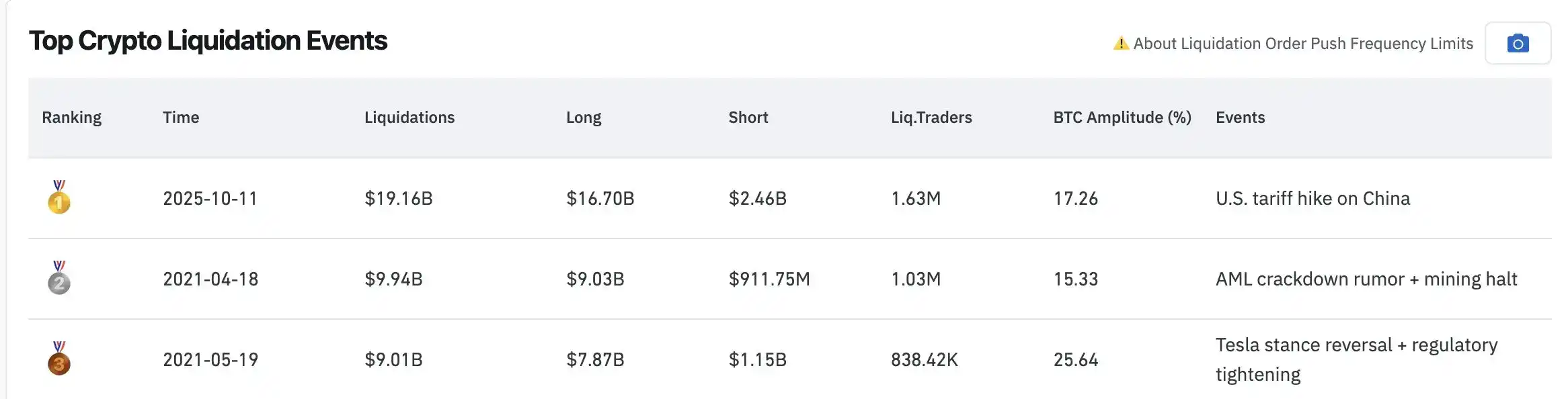
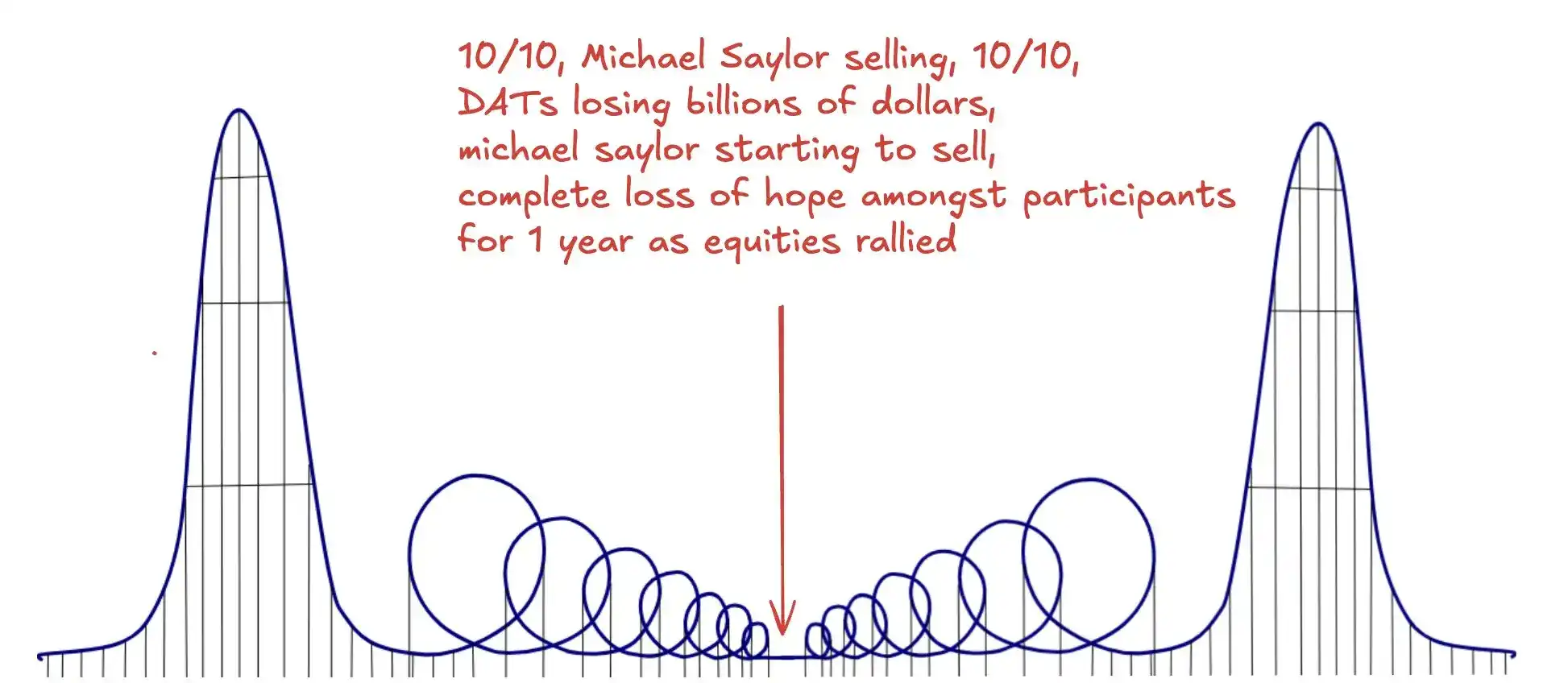
Instead, Kyle wrote that the Trump token pulled tens of billions of dollars out of the crypto market, digital asset treasury companies, or DATs, helped produce a double-top structure with two failed pushes higher, and Oct. 10 delivered what he called the final blow: the largest liquidation event in history, which he said came with almost no warning.
At the same time, equities were moving higher, especially semiconductor and memory-chip names. The S&P kept printing record highs, and broader economic sentiment stayed relatively constructive. The result, he said, was that many crypto veterans left the market, himself included.
Looking back, he sees depressed token prices, project shutdowns, repeated DeFi hacks, and the exit of many capital allocators as classic signs of a bear-market bottom. What made this downturn harsher, in his view, was that it crushed hope. The market had been waiting for traditional finance to arrive in force. What it got instead, he wrote, was a president extracting value through a token and crypto insiders dressing themselves in traditional-finance clothing, then using Nasdaq-listed holding companies to sell assets to other crypto participants.
Kyle argues that this history explains why so many market participants still carry what he described as PTSD when they look at crypto today. Even so, he believes the market was early rather than wrong. Veterans have lived through too many disappointments to rebuild conviction easily, and every new upcycle has to climb what he called a wall of worry.
His broader claim is that an old era is ending and a new one is starting. He believes an internet capital market is beginning to take shape, and that the next few cycles will center on the intersection of traditional financial markets and internet-native assets with equity-like characteristics.
Investment approach: pick the right assets and stretch the time frame
Kyle says the main issue is timing, not a lack of real usage. For that reason, his first message to investors is simple: lengthen the holding period and be ready for sharper volatility than in prior cycles.
He says experience from the stock market over the past year is useful here. In his view, many people on X already recognize that the world is starting to resemble one giant speculative game. Asset bubbles are taking a larger role across markets, while the Benjamin Graham style of value investing, built on fundamentals and undervaluation, has moved into the background.
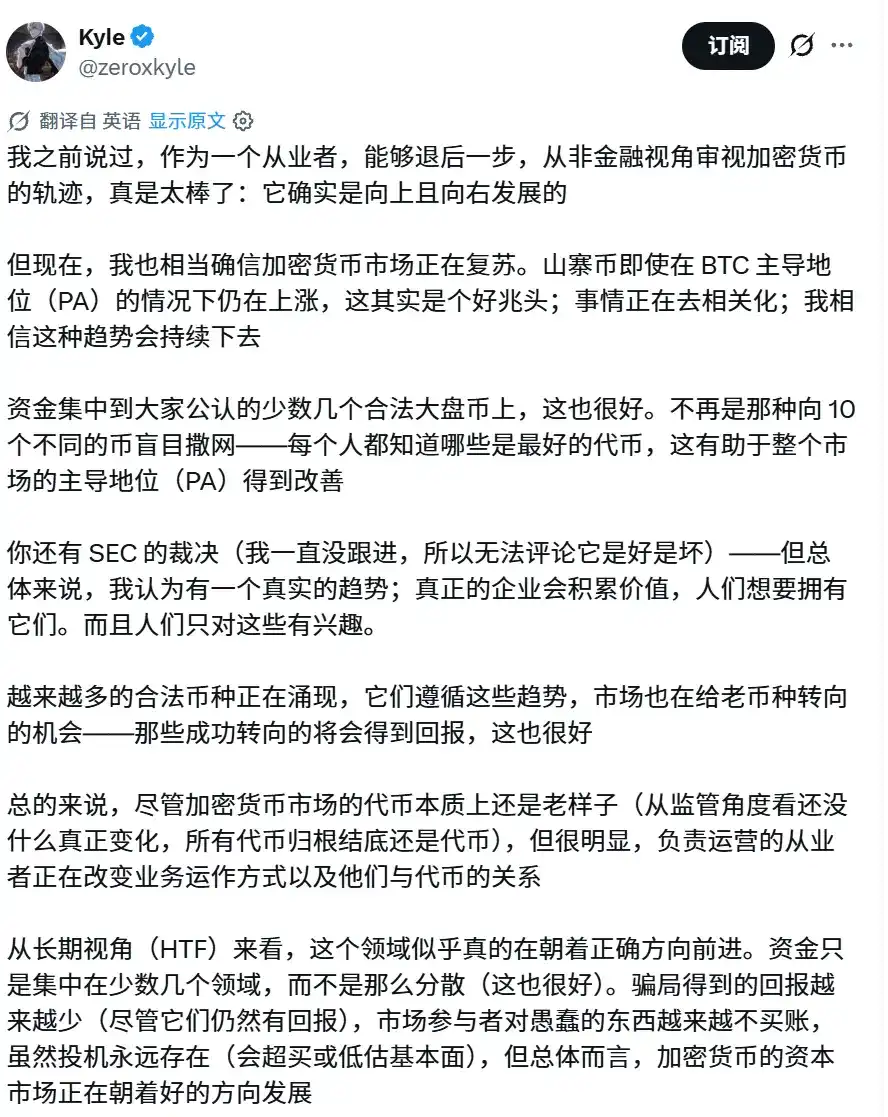
On that point, he strongly recommends 0xSmac’s essay, Let The Bubble Wash Over You.
He also argues that macro headlines will matter more in this kind of market. Almost every week brings a new catalyst: Trump reaching a deal with Iran, the 10-year Treasury yield climbing to levels not seen since 1990, a currency crisis that may involve the yen, bearish takes on AI or accelerationist arguments, and persistent geopolitical uncertainty.
That is why he favors a longer horizon and less attention to short-term noise. Markets have always been noisy, he wrote, and they will stay that way. But this approach has worked well in equities, and he expects it to become a core crypto strategy too. He singled out Hyperliquid’s HYPE as the first token that truly gave investors a chance to profit through steady accumulation over time.
Why most tokens fail as long-term holdings
Kyle says asset selection is everything in crypto. For years, the market’s default belief was that everything was a scam, everything would eventually go to zero, and the only rational move was to sell. For most of crypto’s history, he says, that view was largely correct.
Hyperliquid changed that framework for him. In his view, it showed that some assets can be accumulated over time and still produce gains. He sees that as more important than many people realize because it changes how the market functions.
One reason many altcoins are poor long-term holdings is straightforward: few investors want to keep buying an asset that could fall 90%. Stocks work differently because time can be an ally when the underlying business keeps growing. That is the logic behind repeatedly buying the S&P. The U.S. economy grows, so investors keep adding exposure.
By the same logic, once crypto businesses begin to grow in a durable way, digital assets can start to support genuine long-term investment cases. Kyle describes the process as a positive feedback loop: business growth attracts capital, capital pushes prices higher, and higher prices help the business grow further. That, he says, is how an internet capital market forms.
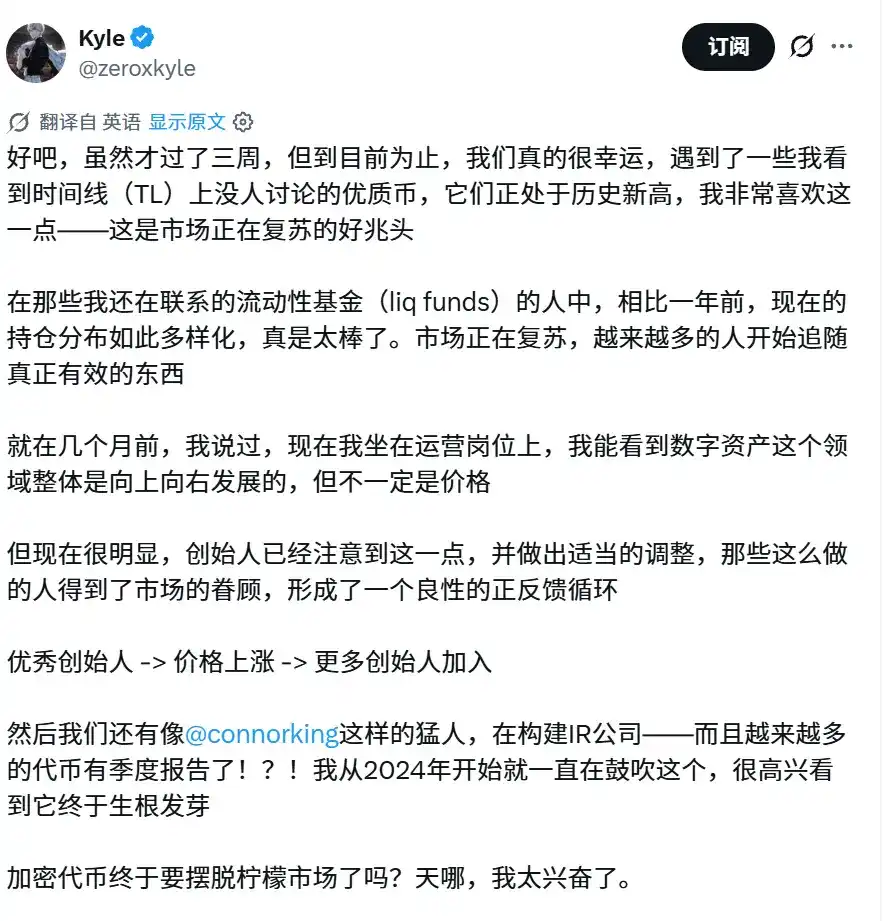
He also says crypto has long behaved like a lemons market, where buyers struggle to separate good assets from bad ones and low-quality projects crowd out the rest. He lists several structural reasons.
- Low-float, high fully diluted valuation tokens often come with large unlock schedules and persistent sell pressure. New supply can keep hitting the market for years. Even if the project executes well, there is always a queue of sellers waiting.
- Many projects are not profitable. Their products do not truly meet market demand, so they cannot compound growth and instead rely on short-lived narratives that fit bubble conditions.
- Token holders and equity holders are often misaligned. The business creates value for shareholders, while the token serves mainly as a marketing instrument. Owning the token does not mean sharing in the economics of the business.
- Disclosure and accountability are weak. Public companies must report revenue, insider sales, and risks, and they face consequences for fraud. In crypto, insiders, venture funds, and market makers often control unlock schedules, OTC arrangements, and the real data. Teams can sell tokens, fake metrics, or disappear quietly, while investors have little recourse.
When buyers cannot tell the difference between good and bad projects, Kyle says, they start by assuming everything is bad.
What a good token needs to look like
Kyle believes the market may finally be finding ways to fix that lemons problem. Investors are becoming more demanding, and that is giving founders and operators clearer feedback on what needs to change.
He uses Ethena as an example and points to several steps the team has taken:
- It bought back tokens held by some early investors who had sold.
- It aligned token holders with equity holders by placing the protocol’s intellectual property and the value it creates under the foundation, with governance in the hands of token holders.
- It proposed using protocol revenue to automatically buy back ENA.
- It ended monthly VC unlocks. According to Kyle, the Ethena Foundation reached an agreement with major investors to release still-unvested tokens and remove the old month-by-month unlock structure, reducing future supply pressure.
The market responded, he wrote. ENA rose 95% over the past 14 days, creating a positive feedback loop.
From there, his framework is direct: buy projects that have already solved the lemons problem, and avoid those that have not.
He says teams should meet most of the following conditions, ideally all of them:
- Token holders should share in the value created by the business. Kyle notes that some structures can still work even when equity exists alongside the token, as long as incentives are arranged properly. He cites Venice as an example. At a minimum, the market needs to see that the team cares about the token and is not shifting value that should belong to token holders over to equity holders.
- The product must meet real demand and be capable of generating profit. Sustainable growth and earnings are what attract capital. In his framing, people want to own assets that go up, and price appreciation comes either from multiple expansion or earnings growth. Multiples depend mostly on sentiment, narrative, and rates. Growing earnings are what compound value over time.
- Token supply has to be manageable. Kyle says there is no universal answer here. Some tokens with little overhang still perform badly, while others with some overhang do fine. Still, too much potential sell pressure is a problem because it caps upside. A moderate amount may be acceptable, and the best teams go further by actively addressing it, as Ethena did.
He adds two more items that can strengthen the case.
- Buybacks. Kyle does not think buyback size matters much unless it is very large, as with Hyperliquid. For most protocols, reinvesting in the business may be the better use of capital. He sees buybacks mainly as a signal that founders care about the token. But the balance matters. Too small and the effort does nothing; too large and it starves growth.
- Transparency and investor relations. He says this should really be mandatory. If a project wants people to hold its token, it should explain clearly what the token is for and where its value comes from. Public companies do this through quarterly reports and investor calls. Crypto teams asking for capital should provide comparable disclosure and communication.
His broader conclusion is that crypto is repairing itself. Real businesses are emerging, teams are improving value accrual and supply design, and the market is starting to reward quality rather than hype. For the first time, he says, digital assets are beginning to look like something that can be held for the long term rather than traded only as instruments of speculation. But that only works if the asset is the right one.
His strategy can be reduced to one line: buy good assets, keep holding through the noise, and let time do the work.
Where he is looking: sector first, team second
Kyle says it is easier to find opportunities by starting with sectors and then narrowing down to projects. In his view, only a small number of themes have already proved that their products meet real market demand, so he ranks those areas rather than trying to cover everything.
He also notes that he excluded sectors that do not yet have liquid, investable tokens in the secondary market, such as prediction markets.
He then separates out his view on onchain markets. The short version is blunt: outside a small number of good tokens, he does not think most onchain projects are even worth the time.
His explanation centers on AI-assisted software development. AI is well suited to small, niche projects that can be built and shipped quickly, but much harder to roll out across large enterprises. That creates a strange split. Big companies have not yet shown obvious productivity gains, while small startup teams are already using AI to launch products rapidly. The result is a K-shaped divergence in who captures productivity gains.
Onchain, he says, that makes the lemons problem worse than before. Investors used to be able to say that a polished website at least showed effort. Now that surface-level polish is almost free. Every token below a $10 million market cap can look polished whether there is a real team behind it or a scam.
Ideas themselves have become cheap too. After Orbio hit an all-time high, Kyle says, the market quickly saw 20 different reasoning-market projects appear, and he expects many more because anyone can hand Orbio’s website to AI and ask for a copy.
That is why he thinks the edge in onchain investing can no longer come from software alone. It has to come from the team: who they are and whether they can execute. Founder quality and character matter most. For that reason, he says it is easier today to study larger, already-established tokens than to hunt tiny onchain names. A project that has reached meaningful scale has at least proved something. In his words, it is easier to study 100 tokens with market caps above $1 billion and find the good ones than to study 10,000 tokens below $10 million where a new “good idea” appears every hour.
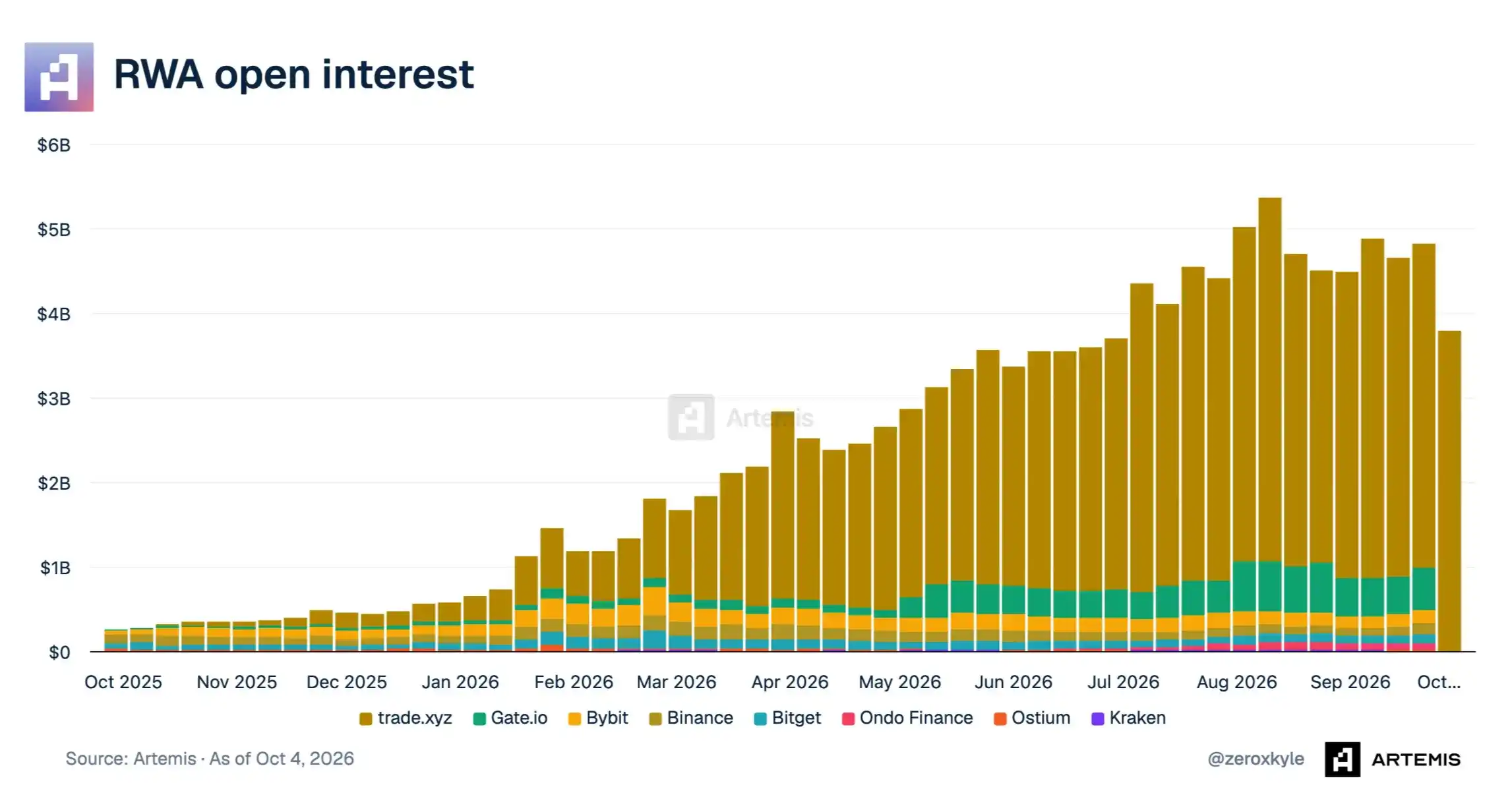
Six sectors and the assets he prefers
AI inference: real demand from outside crypto
Kyle defines AI inference as the process in which trained models handle requests and generate outputs. He calls it the only crypto sector with genuine demand that exists outside crypto itself. People and businesses pay for AI because they need it, not because a token incentive tells them to.
As open-weight models improve and costs keep falling, he says, AI services become cheaper to provide. That gives companies a way to compete with large AI firms on price and privacy.
He also sees this as an investment theme that retail investors can understand immediately. Everyone uses AI, and the explosive growth shown by some related assets suggests that the products are meeting demand. Kyle says current inference demand reflects Jevons paradox: lower costs drive more usage, which lifts total demand rather than shrinking it. He says the data points in that direction, and also shows users moving away from frontier models toward other forms of AI, including open-source models.
Open-source models may face regulatory scrutiny, he notes, but many are already general enough to handle 99% of work tasks. In practice, he argues, people want AI and do not care much which exact model sits underneath.
That leads to a striking conclusion in his view. If investors want exposure to a strong AI product and to rising inference demand, the only direct investable route right now is crypto tokens. Semiconductors benefit indirectly, but he says that expectation is already priced in. Anthropic and OpenAI are not public. Investors can go long Zhipu, but Hong Kong does not offer the same valuation premium. Some tokens, by contrast, provide direct exposure to the theme.
His top picks here are VVV and ORBIO, with NEAR and CHIP as other options. He also recommends a report from Galaxy.
Tokenized equities and RWA: the size of the opportunity
Kyle calls this the biggest opportunity on the board for one simple reason: it is still tiny.
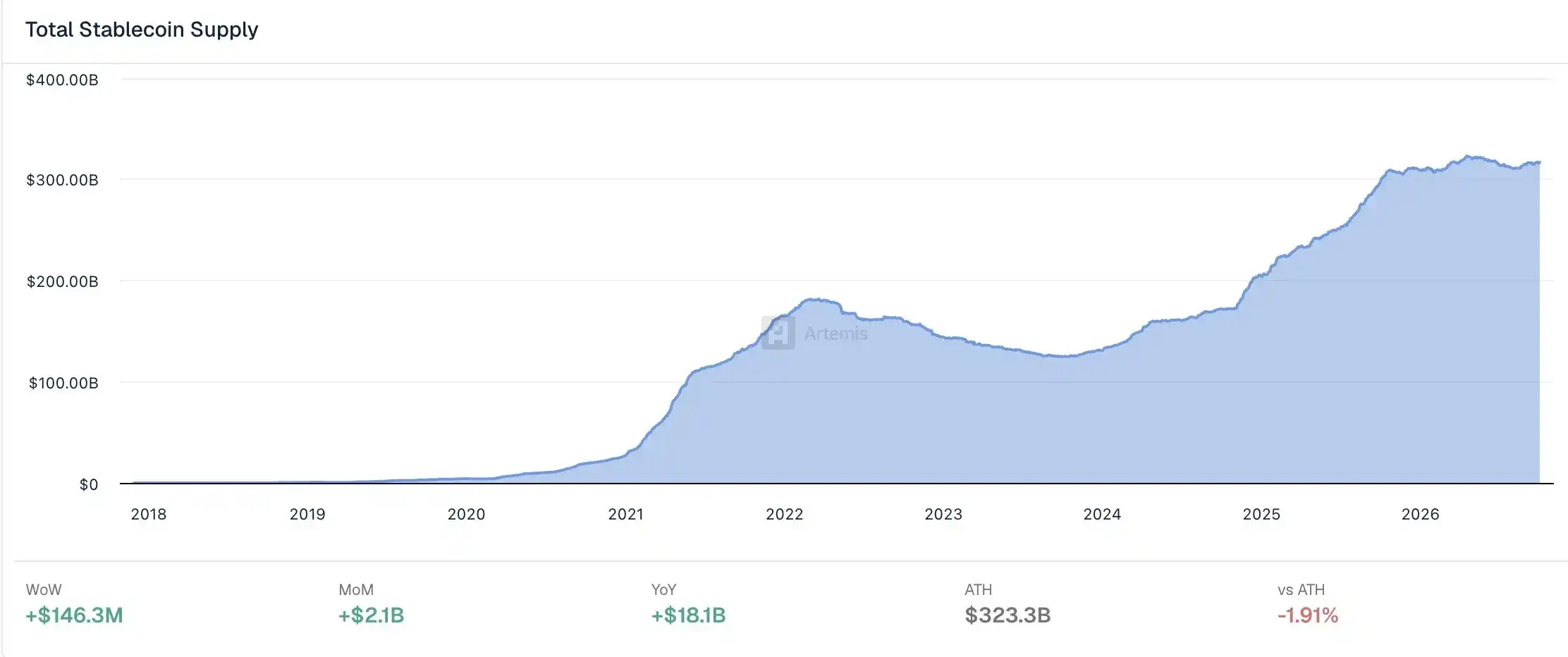
He compares the numbers directly. Stablecoins have helped expand global use of the U.S. dollar and now stand at roughly $300 billion. Tokenized equities are only about $2.5 billion, while the U.S. stock market is worth $69 trillion. Regulation is opening the door, large IPOs are coming, and there is strong demand in countries where access to U.S. equities is still difficult.
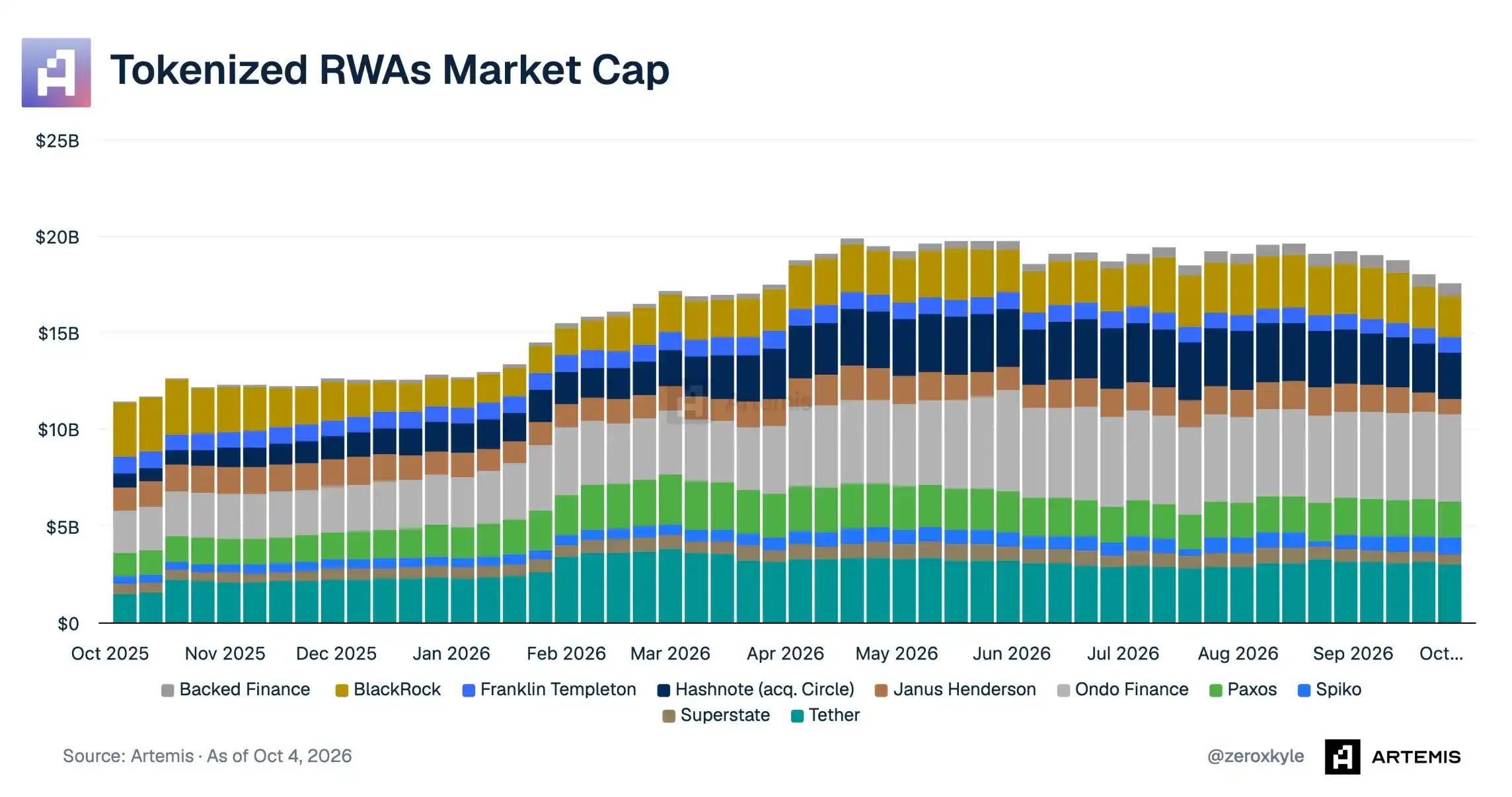
His preferred asset in this category is BP. He also points readers to a report from frictionless.capital.
DAT: discounts and improving fundamentals
For DATs, Kyle quotes Evan directly. Under that framework, the best opportunities share several traits:
- A deep discount to the value of the assets held, with mNAV around 0.15x at the summer lows.
- Exposure to sectors such as stablecoins and perpetuals, run by strong teams that keep shipping products even when related tokens are down more than 95% from their highs.
- Improving fundamentals over the next few years as vesting and unlock periods end. He gives examples including higher USDe circulation, a recovery in basis-trade returns, expansion of spot-versus-derivatives hedging strategies into equity perpetuals, and more institutional partnerships that lift TVL and protocol revenue.
Kyle says the DAT companies in the Ethena ecosystem fit this setup best. Since then, he notes, a new digital banking product has launched and USDe circulation has increased by more than $1 billion.
His preferred asset here is USDE.
Privacy: focus on ZEC
Kyle says privacy is not his specialty and that he does not hold any ZEC himself, so he keeps this section brief and points readers to several videos from Taiki.
His top pick in the category is ZEC.
Perpetual DEXs: a path into the mainstream
Kyle says perpetual decentralized exchanges are the strongest product-market-fit sector in crypto. They have real users, real trading volume, and real fee revenue.
He places the sector in A rather than S tier only because the market already knows this. Hyperliquid’s success is already reflected in valuation, and competition is increasing. The next leg of growth, he argues, will come as perpetuals move into the mainstream through apps such as Robinhood and Interactive Brokers, or IBKR, expanding the overall market.
His preferred names are LIT and HYPE.
Stablecoins: how to invest in the growth
Kyle says stablecoins remain crypto’s most successful product and should continue growing. He ranks the sector in A because the biggest winners, Tether and Circle, do not offer onchain tokens that let holders share in business growth, leaving few direct ways to invest in the theme.
Ethena is one of the rare exceptions, he says, because it is a stablecoin issuer with a token structure that allows holders to participate in the economics of that growth.
His preferred asset here is also USDE.
The bottom line: long-term holding only works if the asset is right
Kyle’s final view is that crypto assets have become investable again. Low-quality projects are slowly separating from real businesses, and the market is beginning to reward teams that are actually building. Veterans still carry the scars of earlier cycles, but he says that kind of doubt is normal at the start of any real bull market.
His operating framework is clear. Extend the time horizon. Prepare for larger swings. Be strict about what you own. In this cycle, he argues, the edge does not come from trying to find the next moonshot among sub-$10 million tokens thrown together over a weekend with AI. It comes from identifying projects with real revenue, credible teams, and token structures that let holders share in business value, then keeping conviction when others are shaken out by the latest headline-driven move.
His closing line is the same as his core strategy: buy good assets, keep holding through the noise, and let time do the work.