
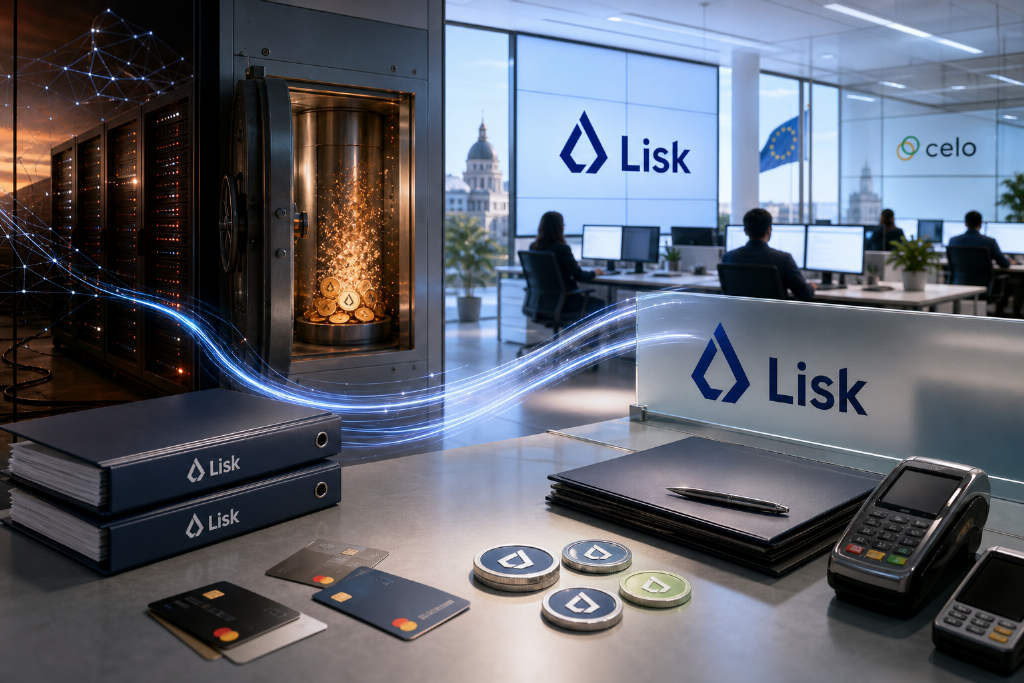
Lisk is formally pivoting into a modern treasury operations platform for corporate finance teams, according to an Aug. 25 announcement from founder Max Kordek. The company said it will focus on treasury functions such as accounts, payments and approvals, while gradually winding down its existing blockchain ecosystem.
Lisk shifts its focus to treasury operations for businesses
Lisk said the new platform is designed as a unified workspace for companies operating across multiple legal entities and jurisdictions while using both fiat currencies and stablecoins. Eligible businesses already have access through an Early Access program.
The platform currently supports unified management of bank accounts and stablecoin accounts, bank transfers, stablecoin payments and collections, and permission-based payment approvals. Lisk said it plans to add corporate cards, non-custodial treasury management and payroll integrations later.
Lisk Chain is set to close on Oct. 31, 2026
Alongside the business transition, Lisk Chain will shut down on Oct. 31, 2026. The company said it has worked with the Celo team to provide a migration path to the Celo network for onchain dApps, developers and project teams.
Lisk also said users still holding LSK on Lisk Chain need to migrate their tokens to Ethereum before Oct. 31.
Lisk proposes winding down Lisk DAO
The company also laid out a plan to end Lisk DAO. That proposal includes burning 100 million LSK held in the DAO treasury, reducing total supply from 400 million to 300 million, removing staking penalties, allowing token holders to unstake more flexibly, and gradually shutting down DAO governance infrastructure.
LSK will become a loyalty token for the new platform
For the LSK token, Lisk said its future role will be as a loyalty token tied to the new platform. Businesses will be able to earn rewards by using the Lisk treasury operations platform and by referring other companies. Lisk added that LSK may also be used in the future to pay platform fees.
The company said Ethereum and Base will become the primary networks for LSK going forward.