
Global markets centered this week on Federal Reserve policy expectations, yen strength, geopolitical conflict, and a continuing sell-off in global bond markets, according to BlockBeats on Sept. 5.
Strong payrolls revive September Fed hike bets
U.S. nonfarm payrolls increased by 162,000 in August, well above the 56,000 expected by the market. After the release, traders again raised bets on a September rate hike by the Federal Reserve, with the implied probability climbing back above 60%.
At the same time, Donald Trump continued to publicly pressure the Fed to cut rates, while divisions between hawkish and dovish officials inside the central bank became more visible.
Yen trading focus shifts from intervention to rate hikes
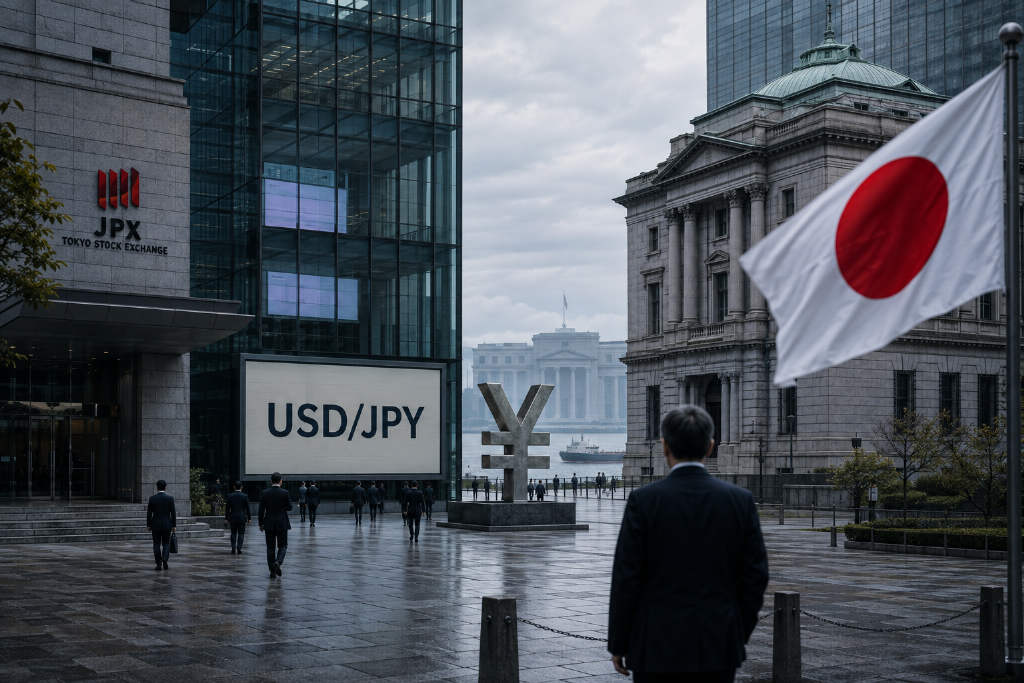
The yen was another major market focus during the week. USD/JPY briefly moved close to 160 before quickly retreating to around 155. Markets first speculated that the Japanese government might have stepped in again to support the currency, but there is still no sufficient evidence to confirm that view.
Instead, expectations for a Bank of Japan rate hike have strengthened. BOJ Governor Kazuo Ueda said the September meeting would discuss whether to raise rates, and market positioning has gradually shifted from an "intervention trade" to a "rate-hike trade."
U.S.-Iran escalation pushes oil higher
Geopolitical tensions also intensified. The United States launched a new round of strikes on Iran, while Iran carried out repeated attacks on U.S. military targets in Jordan, Bahrain, Erbil in Iraq, Kuwait, and the United Arab Emirates. That brought the risk of supply disruption in the Strait of Hormuz back into market pricing.
WTI crude briefly rose above $90, and Brent crude moved above $95.
Bond sell-off spreads as markets reassess global rates
The sovereign bond sell-off continued to widen. Japan’s 10-year government bond yield climbed above 3%, the highest level since 1996. Long-dated yields in the U.S., the U.K., and Europe also moved higher, as investors reassessed the global rate center.
In Indonesia, the country’s largest nickel industrial park is facing water shortages caused by El Niño, and output at some nickel smelting operations and related facilities may fall by 30% to 40%.
AI outages and Tesla’s Cybercab add to the week’s market agenda
In technology, AI infrastructure resilience came back into focus after services from OpenAI, Anthropic, and xAI each experienced outages on the day GPT-6 Astra was released.
Tesla also formally launched its Cybercab autonomous ride-hailing service in Austin, pushing Robotaxi commercialization forward.
U.S. equities moved through what BlockBeats described as a week of "rate shock, dip-buying recovery, and renewed pressure after strong payrolls." The S&P 500 rose 0.09%, the Nasdaq gained 0.4%, and the Dow fell 0.27%. Gold declined 0.52% to $4,431 per ounce, while the U.S. Dollar Index fell 0.53% to 99.16.