
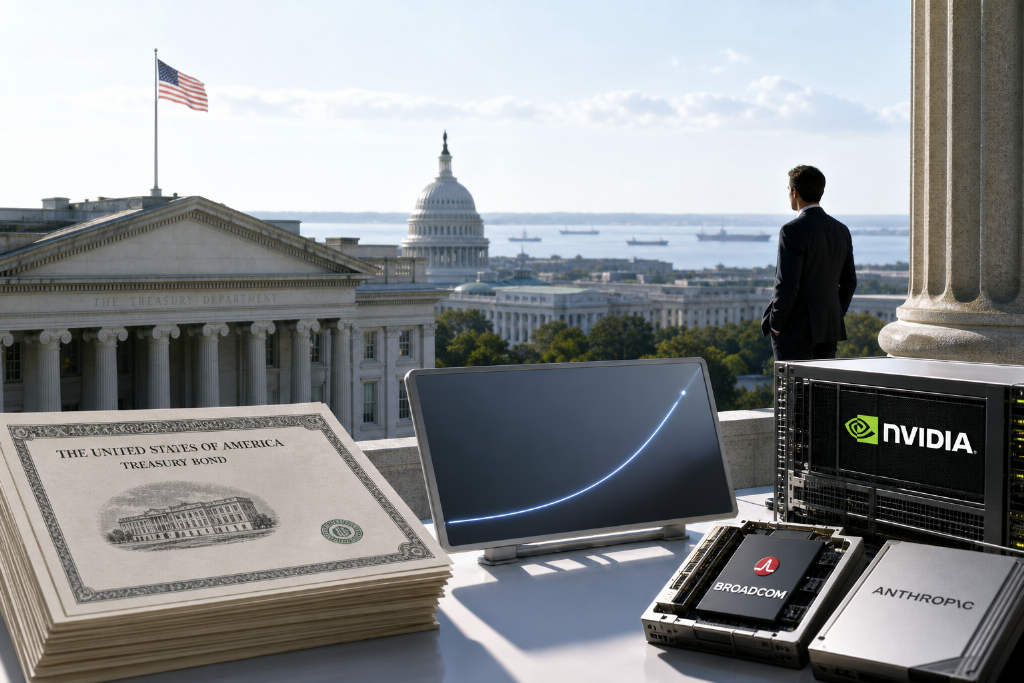
Global markets focused this week on U.S. fiscal stress, expanding AI capital spending, and a sharpening economic standoff between the United States and Iran, according to BlockBeats on Aug. 22.
After the U.S. Treasury increased the scale of long-term bond buybacks, Treasury yields briefly moved lower. That did little to calm concerns that growing fiscal deficits and debt accumulation cannot be resolved through liquidity tools alone. U.S. federal debt crossed $40 trillion for the first time, and the 30-year Treasury yield at one point rose to its highest level since 2007, putting long-dated bond markets under pressure globally.
Fed minutes show stronger hawkish voices
Minutes from the Federal Reserve’s July meeting showed stronger hawkish sentiment inside the central bank. Support for rate hikes extended beyond three voting members. Some officials said tariffs, energy prices, and investment tied to AI infrastructure could add to inflation pressure.
At the same time, Fed Chair Warsh said the central bank could consider reducing the number of meetings each year from eight to six in the future.
Gold and oil both moved higher
Gold climbed above $4,600 per ounce this week, supported by a weaker U.S. dollar and demand for safe-haven assets. The move marked a third straight weekly gain. Oil also rose, with prices supported by risk around the Strait of Hormuz and expectations that the United States could tighten sanctions on Iran.
Economic pressure replaces direct confrontation in U.S.-Iran tensions
On the geopolitical front, the U.S.-Iran relationship shifted toward economic pressure. The United States plans to weaken Iran’s economy through broader sanctions and economic isolation, while Iran is studying countermeasures aimed at energy transport nodes. That has put security around the Strait of Hormuz back at the center of market attention.
AI infrastructure race keeps accelerating
Competition in AI infrastructure continued to intensify. Nvidia is providing up to $105 billion in guarantees for an OpenAI data center project. Broadcom is also preparing an AI financing plan worth as much as $100 billion.
Anthropic, meanwhile, posted revenue above OpenAI for the first time and plans to move ahead with an IPO, adding to pressure in the race to commercialize AI products.
Equities and trade talks added to the week’s agenda
In capital markets, Unitree surged on its first day after listing on Shanghai’s STAR Market, with its market value at one point exceeding 440 billion yuan. Founder Wang Xingxing also saw his wealth rise sharply. South Korean chipmaker SK Hynix announced a share buyback plan of about 40 trillion won, and Samsung said it would raise shareholder returns.
Trade negotiations between the United States and Canada also reached a key window. Washington paused tariffs of as much as 50% on Canadian goods for three days, and both sides continued to seek a trade agreement.
BlockBeats said the market’s core logic this week still revolved around three questions: whether U.S. fiscal pressure will worsen, whether AI capital spending will form a new asset bubble, and whether global geopolitical risk will keep pushing safe-haven assets higher.