
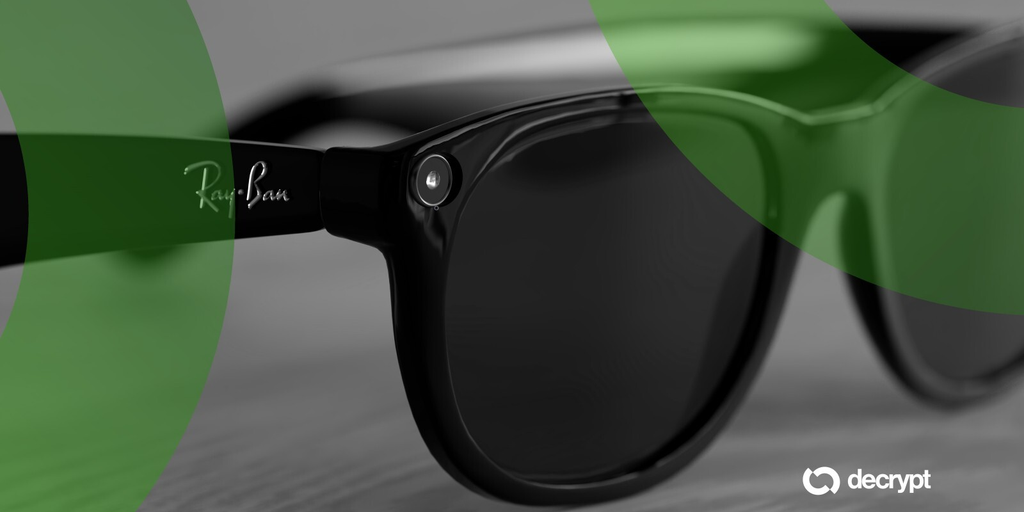
Meta is developing AI-powered smart glasses that it wants to serve as a replacement for smartphones. The devices, though, are now widely turning up online under a harsher nickname: “pervert glasses.” The criticism centers on privacy, covert filming, and the way footage captured by the glasses may be handled once it enters Meta’s systems.
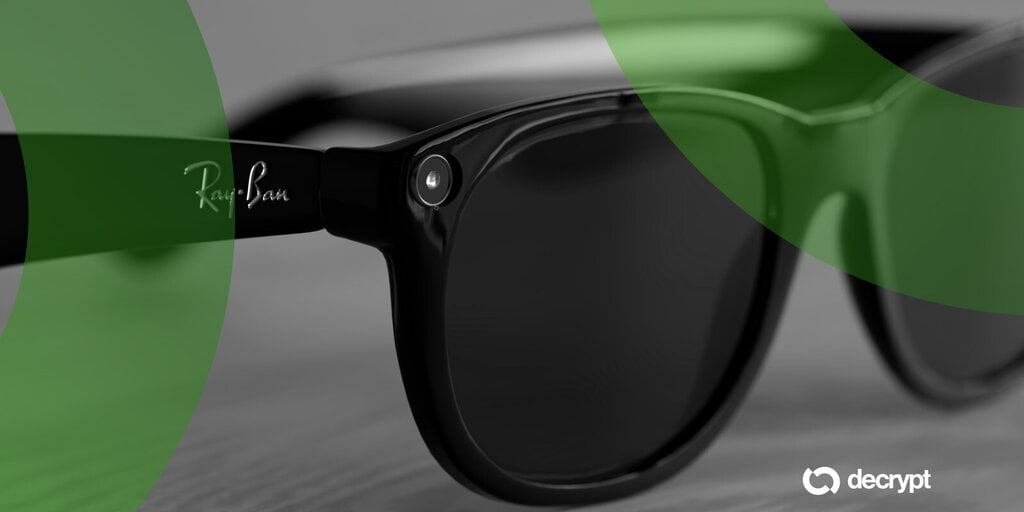
Meta has built privacy protections into the product, but that has not quieted opponents. Critics keep pointing to how the glasses are being used in public and to questions around data review. The backlash has become strong enough that some users are now uneasy about wearing the devices in public at all.
How the nickname took hold
The label did not emerge in a vacuum. It followed several reported incidents and investigations during the first half of 2026.
In January, a BBC investigation found that women were being secretly filmed with Meta’s Ray-Ban smart glasses after being approached in public. Those videos were later posted to TikTok without the women’s consent. According to the report, the clips drew hundreds of thousands of views and comments. The BBC also identified an account that had posted more than 100 similar videos.
In February, a joint investigation by Swedish newspapers reported that Nairobi-based contractors hired to train Meta’s AI reviewed footage captured by Meta smart glasses. The material included people using the bathroom, getting undressed, changing clothes, credit card numbers, and having sex. The findings renewed concerns over how footage is shared with Meta’s AI systems.
Legal pressure and questions from U.S. senators
Meta faced a class-action lawsuit in March over claims that it failed to clearly disclose that human contractors could review content shared with Meta AI.
Later that month, Democratic senators Edward Markey, Jeff Merkley, and Ron Wyden questioned Meta about reported plans involving facial recognition. They warned that the technology could allow real-time identification and could be used for stalking and harassment.
Privacy criticism has not been limited to lawmakers. In a July 30 post, Jackie Singh wrote that Meta had “managed to turn every wearer into an unpaid informant and everyone else into an extra who never signed a release.” She added that any venue that respects its patrons should treat the glasses the same way it would treat “a man filming the room all night — which is exactly what they are.”
ACLU, Texas regulators, and broader public pressure
In April, the American Civil Liberties Union and 75 other organizations urged Meta to drop plans to add facial recognition to future versions of the glasses, calling it “a red line society must not cross.” The coalition said the feature could let wearers identify strangers in public and connect them to personal information.
The following month, Texas Attorney General Ken Paxton opened an investigation into Meta’s AI glasses. The concerns cited were that the devices could secretly record people, collect facial data, and mislead consumers about how their personal information is used.
DuckDuckGo also joined the criticism. In a July 30 post, the company said camera-enabled glasses deserved serious pushback. It argued that Meta and Google smart glasses open the door to a range of frightening privacy problems and said hands-free recording is not worth the risks to safety.
Meta’s July update did not calm the backlash
In July, Meta updated its Ray-Ban smart glasses after users found ways to bypass the recording light that alerts people when the camera is active. The new update disables the camera if it detects that the light has been tampered with. The change was part of a broader effort to limit hidden recording.
It did little to slow opposition. During the same month, advocacy groups online and campaigners in New York, London, and Washington launched efforts focused on the privacy implications of the devices.
On July 16, International Cyber Digest highlighted a lenticular spoof ad at a bus stop near Meta’s London headquarters. Depending on the viewer’s angle, TV personality Kylie Jenner’s smart glasses campaign image flipped into a skeletal surveillance warning. The design drew on imagery associated with the 1988 film They Live.
Police investigation and event bans
By the end of July, Police Scotland had opened an investigation into TikToker Scott Margerison, accusing him of secretly filming people with Meta smart glasses.
Event organizers have also moved to block the devices. Comic Con organizer Monopoly Events and DEF CON banned the glasses from their events over privacy concerns.
What began as concern over a new wearable product has now widened into a dispute over recording in public, facial recognition, human review of captured footage, and the limits of consent. Meta’s update addressed one method of bypassing its recording indicator, but it has not stopped the broader criticism surrounding the glasses.