
Meta Platforms Technologies has published a patent filing for a camera system that can identify people by face, detect their actions, and turn those findings into on-demand media clips.
The filing comes from the Meta entity that holds the company’s R&D and hardware intellectual property. It describes cameras sending live or recorded footage into an AI system that tags individuals in frame, reads what they are doing, and packages identity and action data into clips that can be served to a phone or headset.
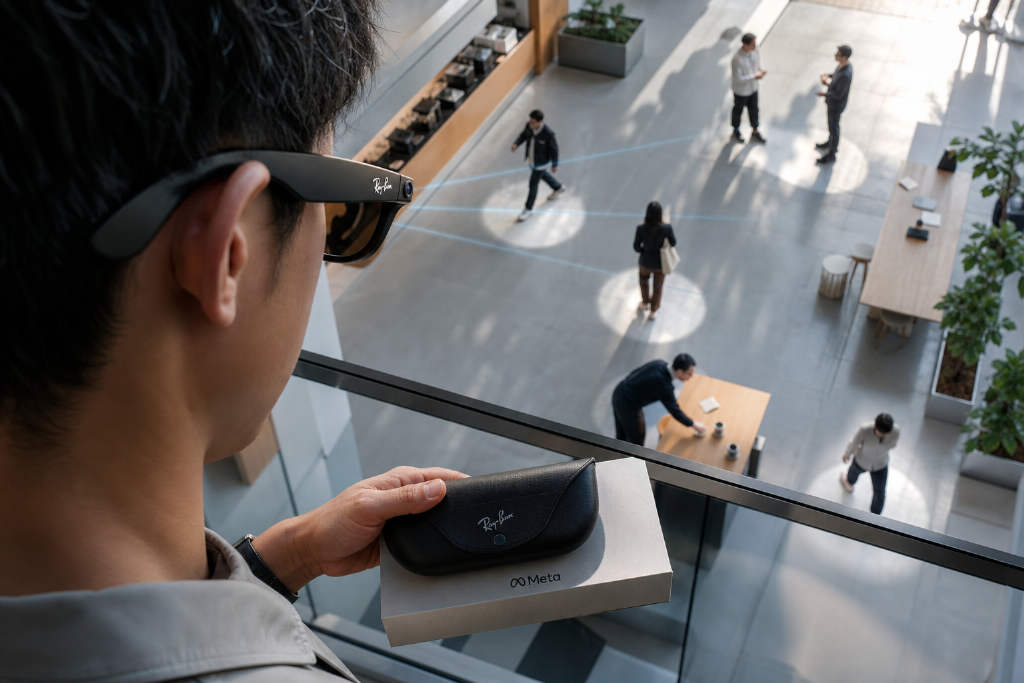
Decrypt said the idea is not new territory for Meta’s hardware efforts. The company has already spent years putting cameras on faces through products such as the Ray-Ban smart glasses, built with EssilorLuxottica and first shipped in 2023. Those glasses can record first-person video and let wearers ask AI about what the camera sees.
The same Meta entity behind those glasses and the Quest headset line owns this filing. The patent drawings show a glasses wearer looking at a room full of people, and the facial-recognition element would shift the hardware from simply recording whatever the user points at to identifying who is in the room by name.
A four-step processing loop
The patent lays out a four-step flow. First, cameras capture live or recorded footage and feed it into the system. Second, a facial-recognition layer scans individual frames to determine not just whether a person is present, but which specific person appears in the shot.
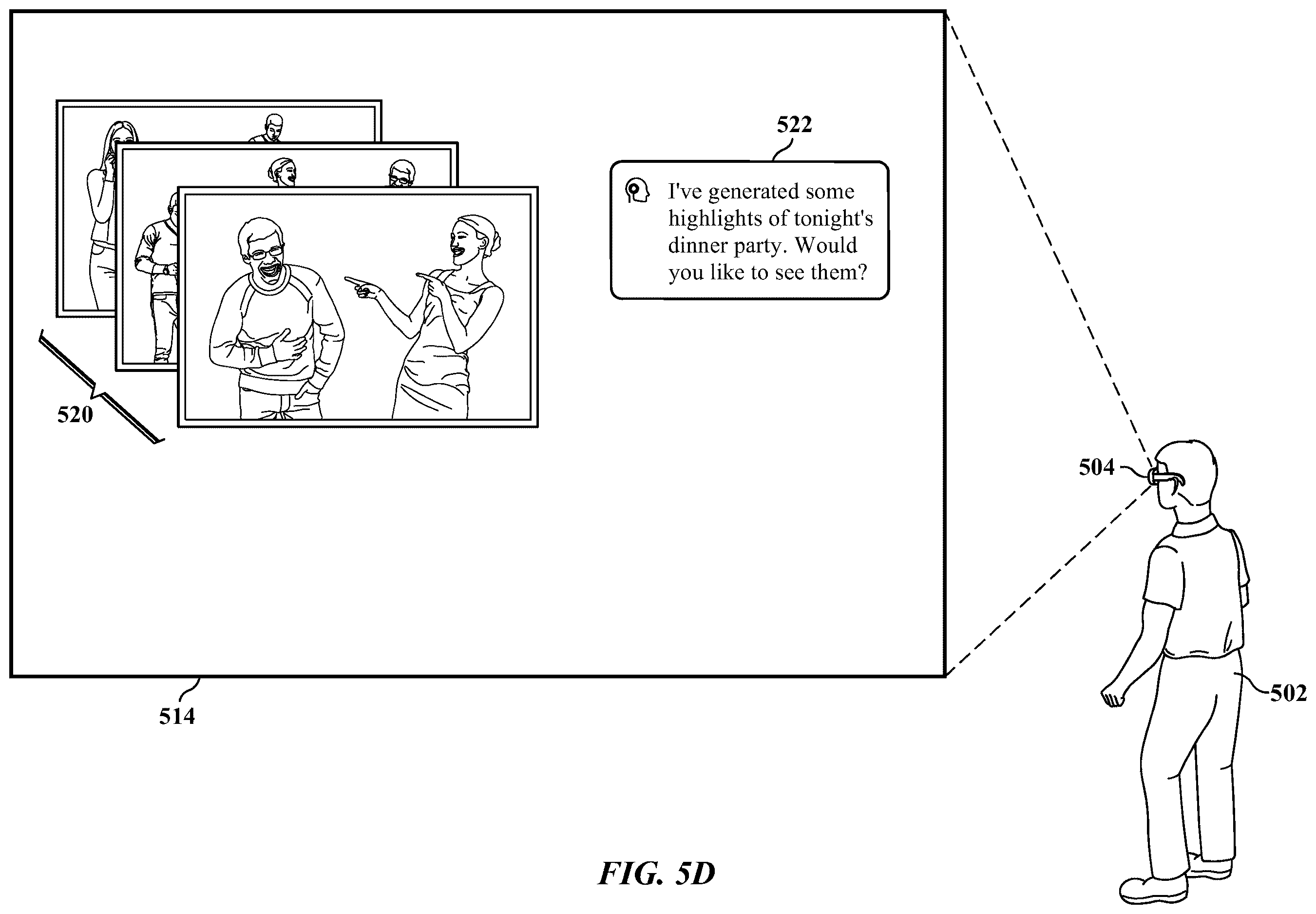
Third, a separate action-detection layer analyzes movements such as picking something up, leaving a room, or a group gathering. Fourth, the system bundles those results into separate media files, each tagged with a person, an action, or both.
Retrieval is framed as conversational
The filing presents the retrieval process as query-based rather than manual search. A connected device can request footage through a prompt, and the system assembles a response from tagged clips instead of requiring a user to scrub through video.
The diagrams also show both server-side and on-device processing paths. A natural-language-understanding pipeline is included and feeds into the clip-composition component.
Privacy concerns are central to the reaction
According to Decrypt, the most controversial part of the filing is the ability to identify and log specific people by face without their active consent. The publication linked that concern to questions previously raised by Democratic senators when they pressed Meta over facial recognition in its smart glasses. As Decrypt previously reported, those senators warned that real-time face identification could expose people to stalking and harassment.

Decrypt also said Meta’s existing hardware is already at the center of that debate. Owners of the recently released Ray-Ban Meta glasses were able to quietly record strangers in public, and contractors reviewed private footage. A wearable camera that can also identify those strangers would widen the gap between Meta’s description of the product as a helpful assistant and what the technology is capable of doing. The article added that members of the public are already building defenses.
A published patent, not a launched product
The filing does not mean the feature is live. It remains a patent application, and its current status is listed as "Ready for Examination." Patentlyze rates the likelihood of a grant as medium.
Decrypt said Meta has filed similar computer-vision work for glasses before. Publication means the idea is now on the record, but not that the feature has been built or approved.