

Meta's Compute Sale Triggers Market Panic and Capex Narrative Pivot
Meta's plan to sell idle AI compute capacity sent shockwaves through both crypto and tech markets in early July. This is not just a cloud computing story — Meta originally bought chips and built data centers for its own AI models, ad systems, and a purported superintelligence vision. Now selling excess compute signals a potential inflection in its capital expenditure logic. Though not yet formal, Meta is exploring a service called Meta Compute that could offer raw compute or API access similar to AWS Bedrock. Zuckerberg noted external companies are willing to pay above Meta's cost for access.
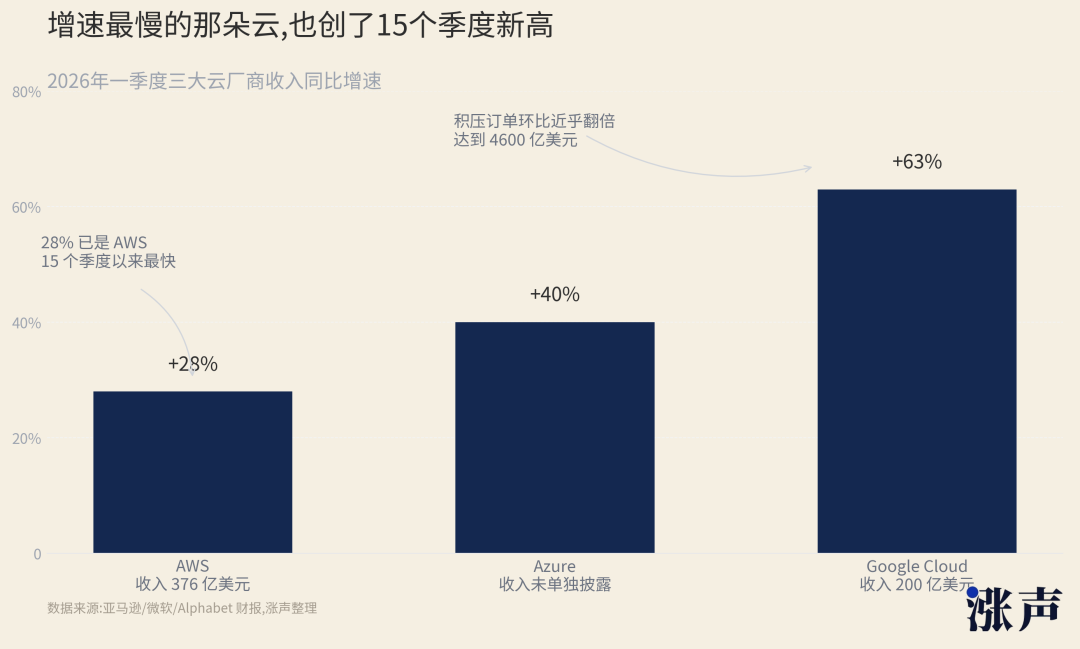
While some interpreted this as proof of oversupply, public data tells a nuanced story: AWS Q1 revenue grew 28% to $37.6B, Google Cloud hit $20B, Microsoft Azure maintained ~40% growth. Amazon raised its 2025 capex guidance to $200B. Compute is not disappearing — it's stratifying. Those who sell certainty (cloud giants) can still raise prices, as seen in AWS's 20% price hike for GPU reservation services in June.
Palantir Attacks Token Pricing: Enterprise AI Enters a Cost-Accounting Phase
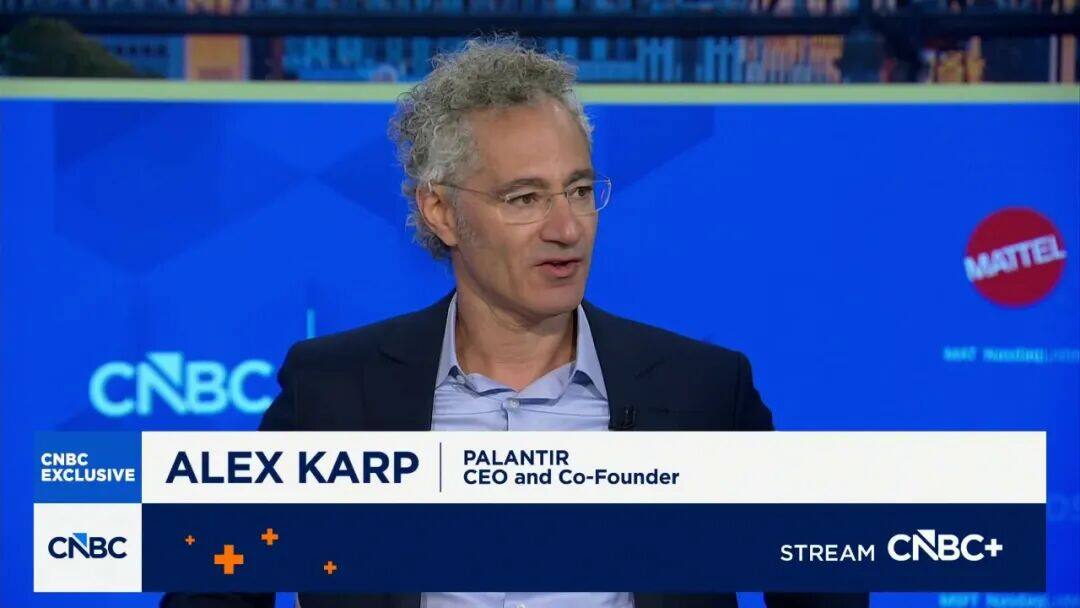
Palantir CEO Alex Karp used a CNBC interview to slam OpenAI and Anthropic's per-token pricing as a 'wealth tax' that creates no measurable value for enterprises. Private complaints from CEOs: they pay for consumption while handing over proprietary data. This mirrors the transition from pilot to scale — CFOs now demand every dollar yields a quantifiable output.
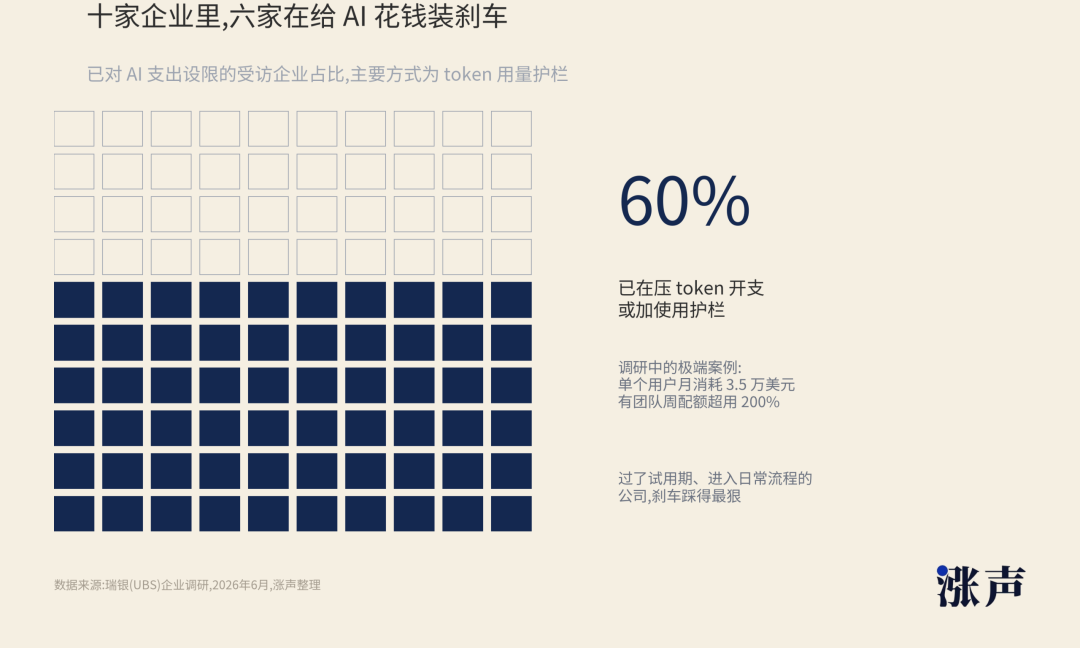
A UBS survey found ~60% of enterprise IT leaders are already curbing AI spending: compressing token usage, adding guardrails. This is analogous to DeFi yield compression: when markets mature, capital must answer to asset utilization.
Compute Stratification: Cloud Giants, Strong Models, and the Awkward Middle
AWS raised prices for reserved GPU instances by 20% in June (15% in January), proving that deterministic access has a premium. But model companies diverge: Anthropic suffers GPU shortages due to strong demand for its frontier models, while weaker models find no buyers. xAI even redirected some of its compute to Anthropic — machines don't care about branding, only utilization.

An even more complex mismatch: Google allegedly restricted Meta's access to Gemini because Meta wanted more compute than Google could provide. One company considering selling compute, yet cannot buy enough top-tier capacity for its own projects. This is not textbook oversupply — it's misallocation. For crypto miners or GPU node operators, the same stratification applies: providers offering stable, verifiable compute will command premium prices, while generic compute faces commoditization.

Open-Source Models and Cost Optimization: The Coinbase Case Study for Crypto
Zhipu's GLM-5.2 has been recognized by a16z partner Marc Andreessen as matching US frontier models on most tasks. Coinbase CEO Brian Armstrong shared that the company switched its default AI model to open-source options (GLM 5.2, Kimi 2.7) combined with routing, caching, and context compression. Result: token usage still growing exponentially, but AI costs cut by nearly half.
This holds direct lessons for crypto: Web3 applications need cheap AI inference for smart contract audits, on-chain data analysis, and DAO governance. Open-source models break reliance on expensive APIs, driving a 'model router' procurement architecture. When every token is metered like electricity, decentralized compute networks (Render Network, Akash) could see structural demand as enterprises seek cost-effective fallbacks.

Conclusion: From Hoarding to Utilization — Lessons for Crypto Markets
Meta's compute sale is not the end of AI, but a signal that the capital expenditure narrative is entering a new phase. Cloud vendors raise prices on certainty, frontier models survive on scarcity, the middle layer relies on open-source models and cost optimization. Coinbase has already shown: splitting model sourcing and squeezing low-value token consumption is key to staying competitive at scale.

Going forward, compute is less about hoarding and more about orchestration. Whether traditional GPU clouds or on-chain decentralized compute, asset utilization will define value. For crypto readers, this structural shift in AI infrastructure parallels the yield stratification in DeFi and mining rig cycles — the direction is right, but the bills must add up.