
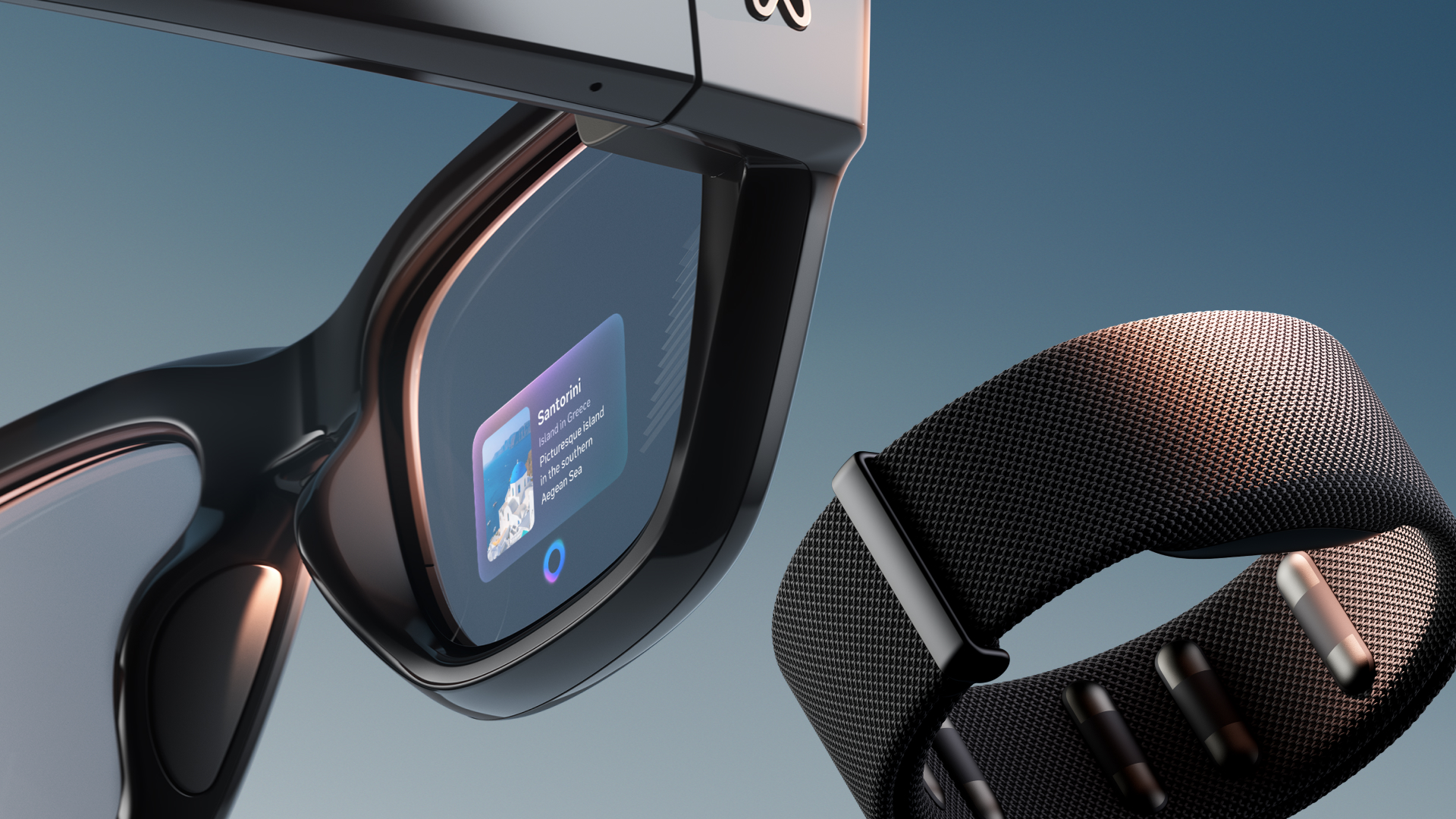
Meta is moving fast in the smart glasses space. On Tuesday, the company officially unveiled its first own-brand smart glasses: Adventurer and Fury, both priced at $299. That's $80 cheaper than the second-generation Ray-Ban Meta Wayfarer launched last year. Also introduced was the Starfire model in collaboration with Kylie Jenner, priced at $399, targeting young female consumers with an AI voice assistant based on Jenner's voice. The three models come in 26 style and color combinations and ship with Meta's newly released multimodal AI model, Muse Spark, out of the box.
Own-Brand vs. Partner Brand: A Three-Layer Strategy
Meta handles design, but manufacturing remains with partner EssilorLuxottica (parent of Ray-Ban and Oakley). Both brand logos appear on the inner side of the temples and on the packaging. Alex Himel, Meta's wearables business head, explained the logic: “We looked at all sorts of brand combinations. In the end, we couldn't find one that fit. So we decided: Ray-Ban Meta here, Oakley Meta here, and Meta at the bottom.”
The brand matrix now has three distinct layers: Ray-Ban Meta for fashion premium, Oakley Meta for sports, and Meta own-brand for the entry price point. In terms of hardware, the new glasses are largely similar to existing Meta smart glasses—no display, AI voice operation. A new feature is a three-step adjustable nose pad to improve fit, and prescription lenses are supported.
$299 vs. $2,195: A Clear Pricing Gap
Meta's $299 price tag contrasts sharply with competitors. Snap's recently launched AR glasses Specs cost $2,195, 7.3 times the price of Meta's entry model. Google's audio glasses with Samsung will hit shelves this fall, also targeting the mass market. Apple is expected to enter the smart glasses space next year. In short, Snap bets on high-end AR, Google chases Meta for the mass market, and Apple has yet to appear. Meta is using this window to fill the market with multiple brands and price points.
Meta also revealed it is evaluating a "lens-less version" that keeps only microphones and audio, focusing on calls, media playback, and AI voice interaction. Such a version could lower costs further and open up more frame design options. Facial recognition has been explored, but Himel said the company is still clarifying privacy and social implications and has "not entered active development."
Next Step: AR Glasses as the Endgame
Two years ago, Meta showed an AR glasses prototype. According to Bloomberg, a consumer version could launch as early as next year. From the $299 entry-level model to future AR glasses, Meta is building a path from "hearing AI" to "seeing AI." In the 2026 wearables battlefield, Meta is choosing to lower the floor before Apple walks in.