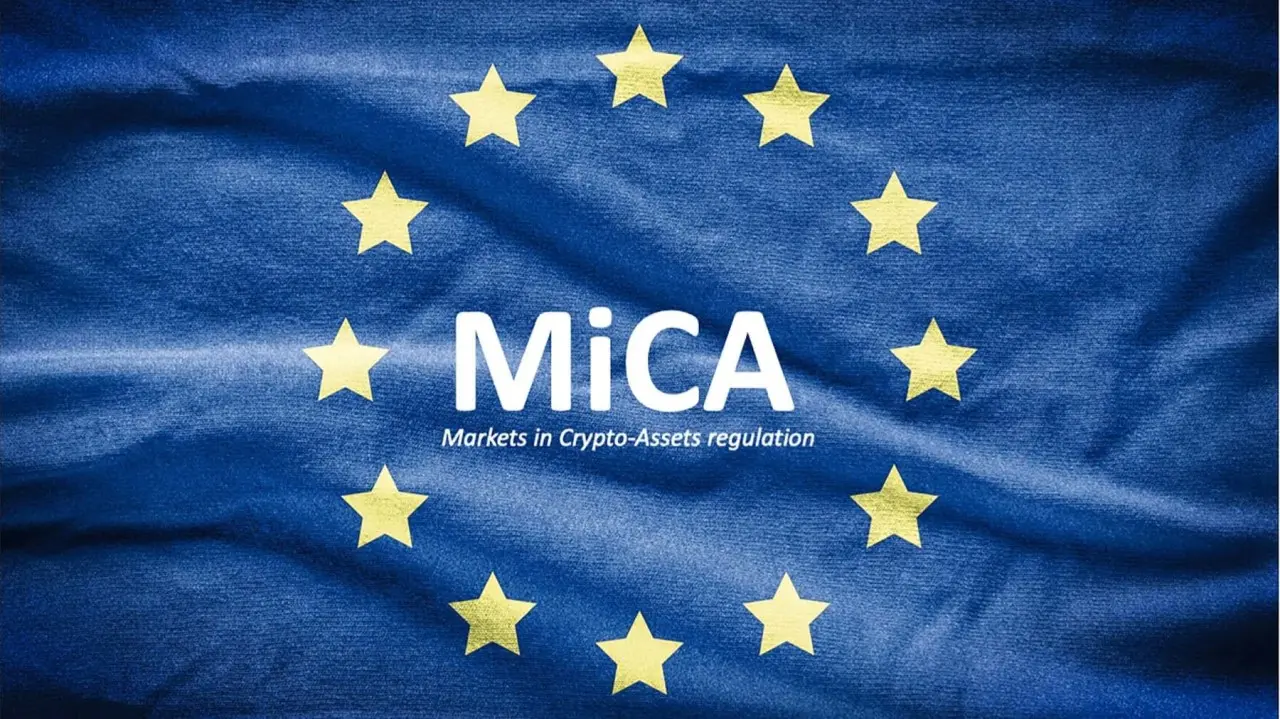
The EU's Markets in Crypto-Assets Regulation (MiCA) has officially taken effect in July 2026, leading Binance to suspend its EU services due to a lack of a compliant license. The exchange plans to reapply for a French license, but its return timing remains uncertain. With a MiCA approval rate of only 7%, the market is undergoing a significant reshuffle. Competitors Coinbase and OKX have rapidly launched user subsidies to attract former Binance users, intensifying competition. Despite Binance's heavy investment in compliance, its history of regulatory issues poses a major barrier to re-entering the EU market.
MiCA Takes Effect, Binance Temporarily Exits EU
The EU's Markets in Crypto-Assets Regulation (MiCA) took full effect in July 2026, forcing Binance to suspend its services across the European Union because it had not obtained the required license. According to ChainCatcher, Binance plans to reapply for a license in France, but it is unclear when it will be able to resume operations. The approval rate for MiCA licenses is only 7%, indicating extremely stringent regulatory scrutiny.


Competitors Move Quickly to Fill the Void
Following Binance's withdrawal, rivals such as Coinbase and OKX immediately launched user subsidies and migration incentives to attract Binance's former EU user base. This has accelerated the restructuring of market share among crypto trading platforms in the region. While Binance has invested heavily in compliance, its past regulatory problems remain a significant obstacle to returning to the EU market. The future landscape remains highly uncertain.
This article was originally published by Bit.Fan. For more cryptocurrency news and market insights, visit www.bit.fan. Disclaimer:
The market information, project data, and third-party content displayed on this platform are for industry information sharing only and do not constitute any form of investment advice or return commitment.
Cryptocurrency trading carries high risks. Users should fully assess their risk tolerance and make independent decisions. All profits, losses, and legal responsibilities are borne by the users themselves.