
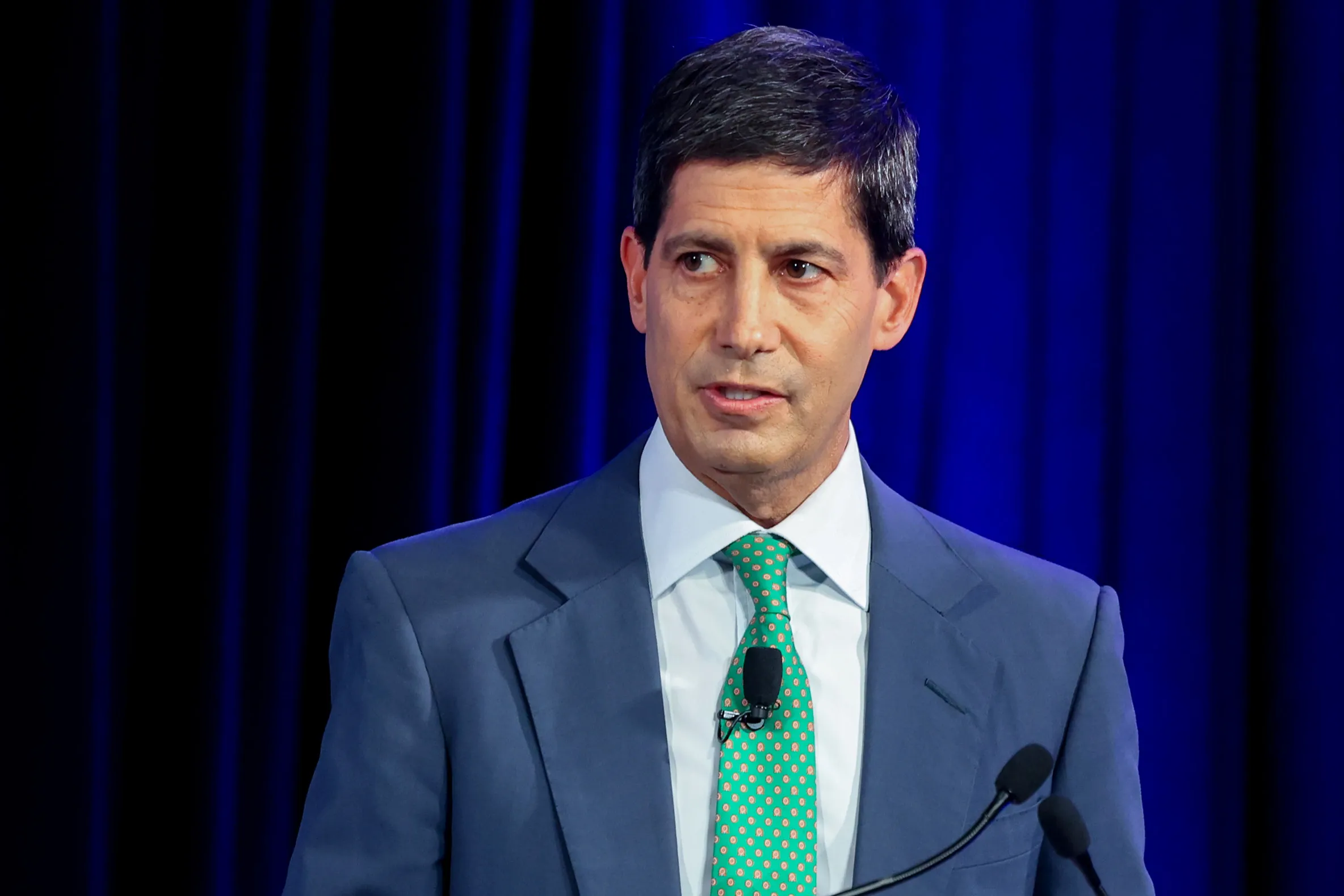
President Trump's nomination of Kevin Warsh to lead the Federal Reserve triggered an immediate market reaction: Treasury yields rose and gold fell, reflecting typical hawkish expectations. Yet Evercore ISI vice chairman Krishna Guha offers a contrarian take — the market may have oversimplified Warsh's policy stance. In his view, Warsh is far from a rigid hawk; he is more akin to a pragmatic conservative who weighs inflation structure and economic fundamentals.
Market Priced 'Hawk' in Seconds, Analyst Pushes Back
According to Walter Bloomberg's X post, the nomination news instantly steepened the yield curve and pressured gold. Investors braced for tougher anti-inflation measures and faster balance sheet runoff. But Guha warns these moves rest on a crude label. Warsh's perceived hawkishness may not hold under scrutiny.
Guha's Breakdown: 'Good' vs 'Bad' Inflation Calls for Flexibility
Guha stresses that Warsh does not mechanically fight all inflation. He would distinguish its source — if price pressures stem from supply-side improvements, such as AI-driven productivity gains, Warsh could show more policy flexibility. Such inflation tends to self-correct, reducing the urgency for aggressive rate hikes or rapid balance sheet cuts. Structure matters more than the headline number.
Balance Sheet View: Shrink Yes, But Not Abruptly
Warsh has long advocated reducing the Fed's oversized balance sheet for long-term stability. However, Guha points out that supporting normalization does not equate to drastic tightening. Warsh would likely opt for a gradual, predictable path to avoid market disruption and maintain credibility. That pace contrasts sharply with the market's instinct for a hawkish blitz.
FOMC Consensus Acts as a 'Safety Belt'
Leadership change does not rewrite the Fed's rulebook overnight. The Federal Open Market Committee's collective decision-making tradition would constrain any chairman. Guha expects Warsh to build consensus within the FOMC before major moves, reducing the risk of extreme pivots. For investors, focusing on the source of inflation, the pace of policy adjustment, and the institutional framework offers a more grounded way to gauge future monetary direction — rather than fixating on a single personality.