
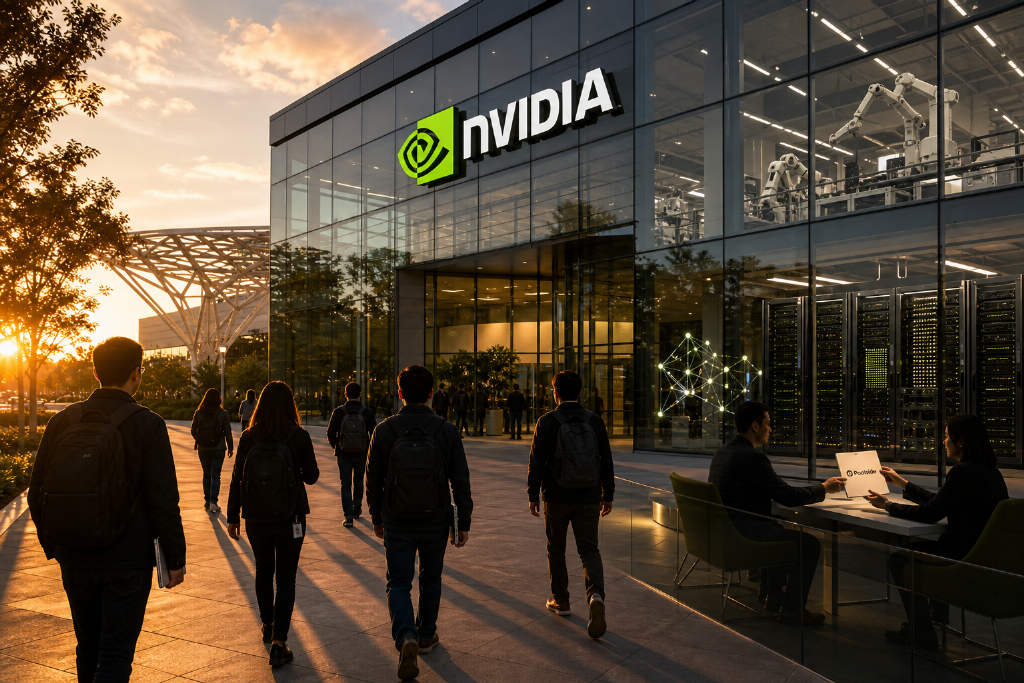
BlockBeats reported on Aug. 23 that analyst qinbafrank published an interpretation of Nvidia’s latest deal with Poolside. In his account, Nvidia paid $6 billion for a non-exclusive license to Poolside’s "Model Factory" technology, the core software system used to build Poolside’s Laguna series of open-source coding models.
He also said Nvidia has extended offers to more than 100 Poolside engineers, who would join Nvidia’s Nemotron open-weight model project. Nemotron was launched in 2023 and is now being developed into a larger, more advanced version. The post said market chatter has placed the next model at the trillion-parameter level, with about $1 billion in equity investment tied to the transaction.
Four points raised in the analysis
qinbafrank described the transaction as a signature move that takes Nvidia from "selling shovels" to "mining for gold." In that framing, Jensen Huang is moving deeper into the model layer to build a full-stack "AI factory" capability that is tightly linked to the Nvidia ecosystem.
- First, Nvidia is trying to rebuild one of the world’s strongest open-weight models, benchmarked against Chinese open-source models, while also taking direct aim at closed-model leaders in the U.S. such as OpenAI and Anthropic. The analyst said open-weight models are cheaper to run and easier to customize.
- Second, Nvidia is extending its reach from GPU hardware into software and the model layer, strengthening control across the upstream and downstream stack.
- Third, the move could deepen Nvidia’s moat while also sharpening competition with its own customers. In the analyst’s view, better open-weight models would drive GPU demand, but Nemotron would also compete directly with major customers’ closed models and could create tension.
- Fourth, the broader trend is turning into large-model companies building their own chips and chip companies building their own models, intensifying competition on both sides.
How the open-source stance is being read
The analyst also wrote that Jensen Huang’s public support for open source at the end of July was effectively laying the groundwork for Nvidia’s own open model effort. In his reading, this deal is a key step for Nvidia as competition over open-source AI between China and the U.S. heats up. If the new Nemotron closes the performance gap, he said, the development would further benefit cloud providers and software companies that control customer workflow data.