
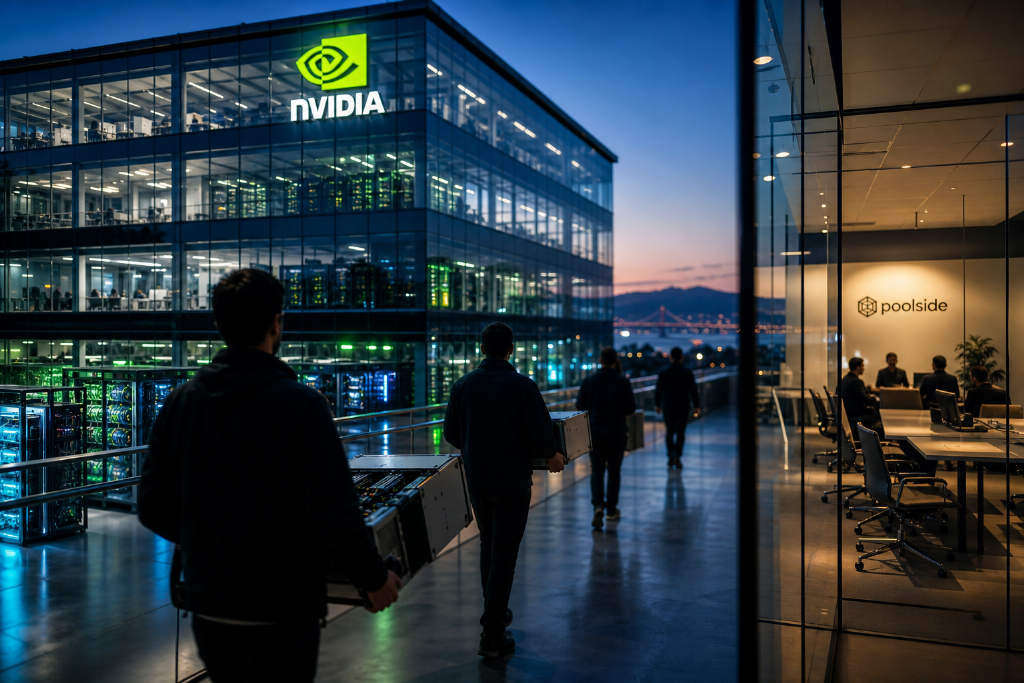
Nvidia ties a large transaction to its open-model strategy
Nvidia has reportedly deepened its push into open AI models through a large transaction with startup Poolside. According to the article, Nvidia is investing $1 billion in Poolside and paying another $6 billion for non-exclusive rights to use the company’s “model factory” technology, while also seeking to bring more than 100 of the startup’s engineers into its ranks.
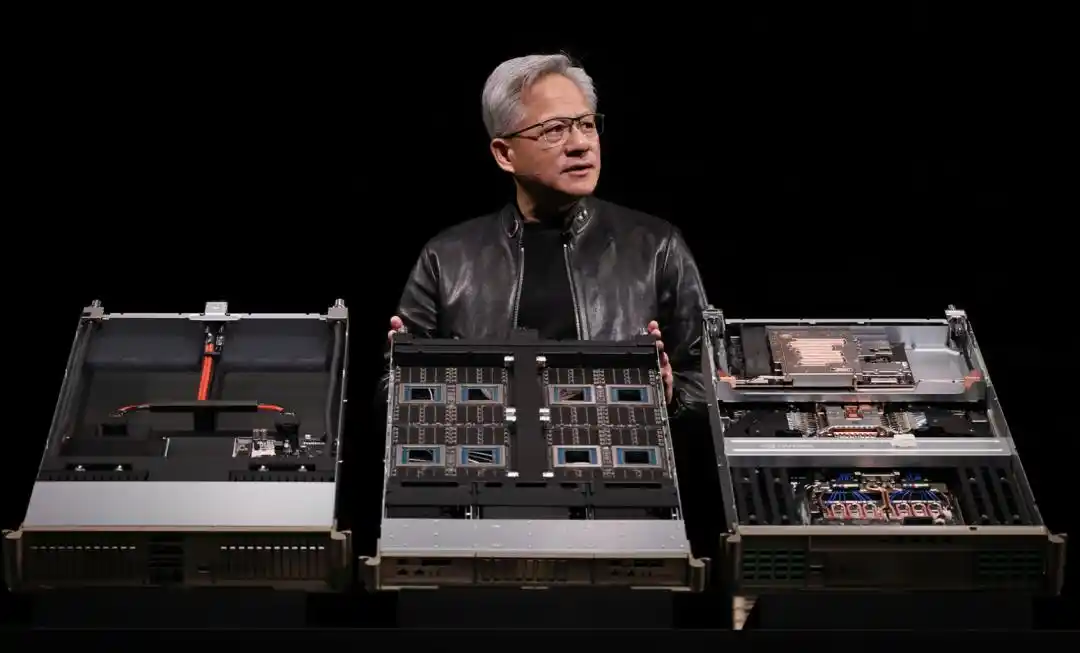
The report said the deal, finalized this week, is aimed at the same arena where open-model contenders such as DeepSeek and Kimi K3 are gaining traction. It described open models as already accounting for a sizable share of AI-generated tokens, a trend Nvidia wants to see continue because it can support demand for the company’s chips.
The article cited analysis saying Nvidia is less concerned with which model wins in the end and more focused on making sure more models keep getting built around the world.
After Huang’s public call, Nvidia is acting on it directly
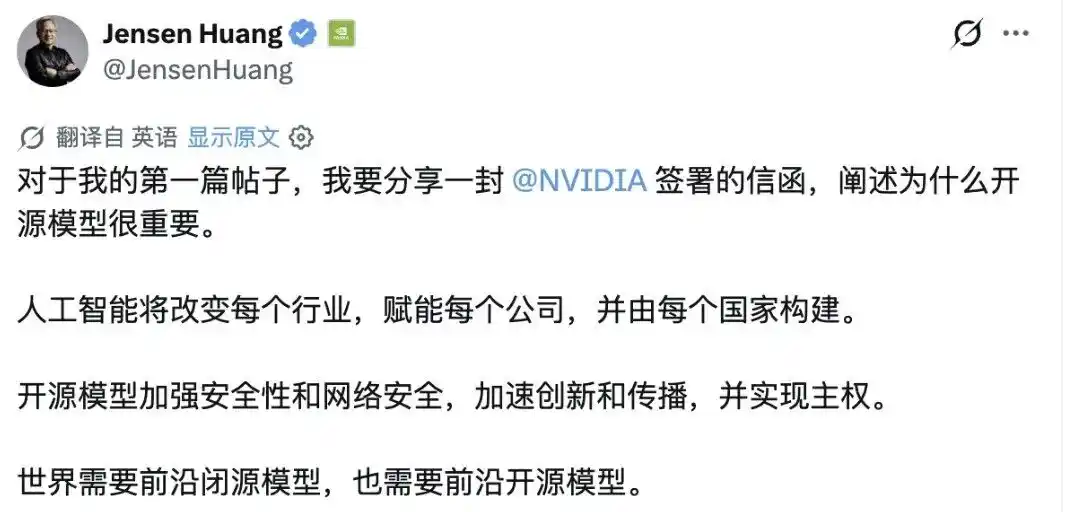
The piece said Jensen Huang posted on X last month for the first time in his life. That post carried the names of more than 20 companies and argued that the US AI industry needs both closed and open development tracks if it wants to keep advancing.
Nvidia is now moving to carry out that approach itself. The report said many observers see the Poolside move as a bet that the startup’s technology and team can help Nvidia challenge the strongest open models globally.
The shift did not come out of nowhere. Over the past few years, leading AI labs including OpenAI, Anthropic and DeepMind have concentrated their main resources on closed-model development, and none of them has open-sourced its most advanced models. The article said that left room for models such as DeepSeek and Kimi K3 to develop.
Nemotron and a broader alliance effort
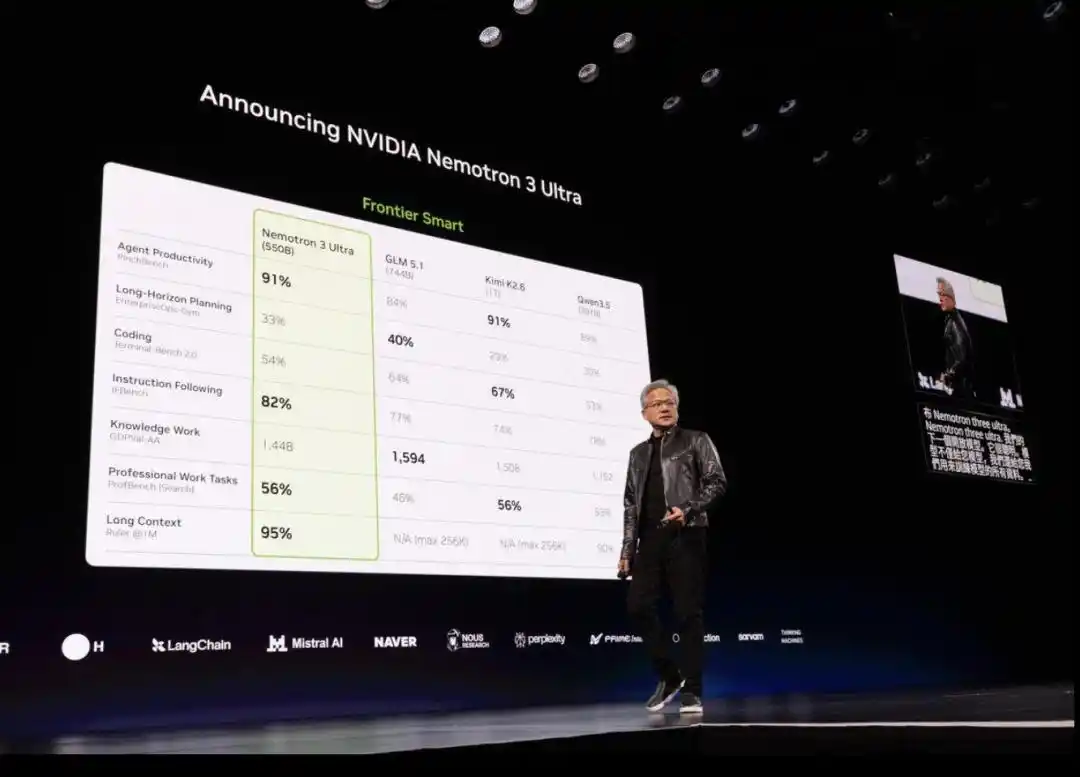
According to the report, Nvidia has released the Nemotron 3 series since late 2025. Its largest Ultra version briefly became the strongest open-weight model in the United States in June this year.
The article described Nvidia’s open stance on Nemotron as unusually broad. Beyond model weights, it said the company has also disclosed training data, training recipes, post-training methodology and GPU cluster training software.
Nvidia also formed the Nemotron Alliance in March this year, the article said. Its eight members are Mistral, Perplexity, Thinking Machines Lab, Cursor, LangChain, Reflection AI, Black Forest Labs and Sarvam.
Within that structure, Nvidia provides DGX Cloud computing resources, while alliance members contribute their own technology and data to jointly train an open model that will serve as the basis for the next-generation Nemotron 4 series.
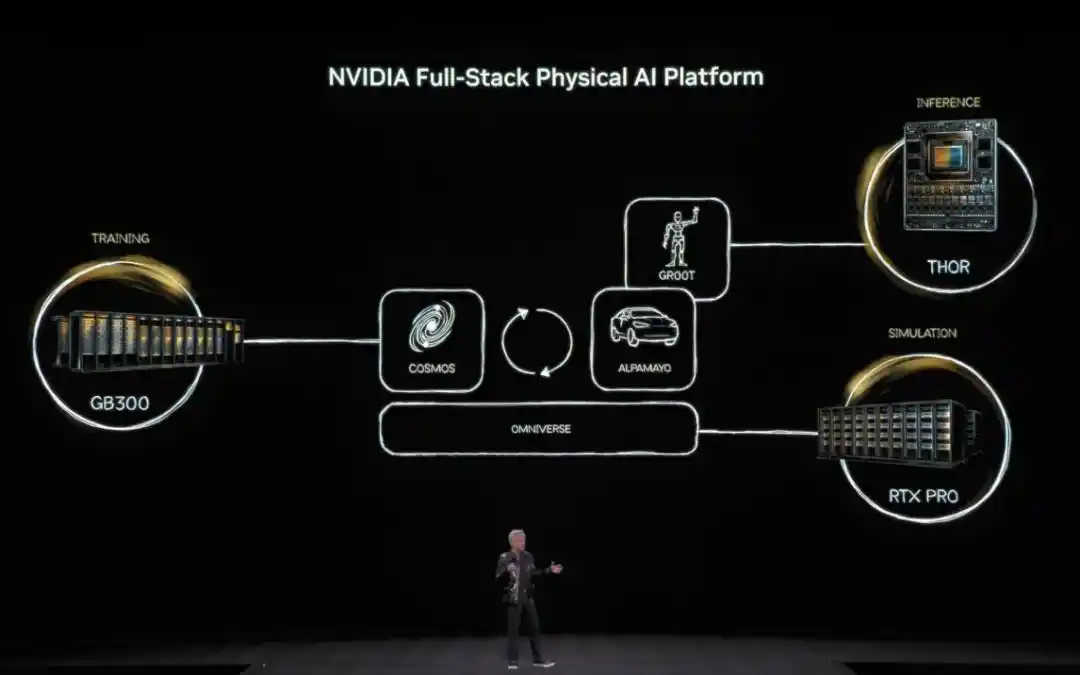
The company’s open-model footprint extends beyond language models, the report added. In robotics, Nvidia has released the Isaac GR00T series. In physical-world simulation, it has the Cosmos series. It also has the Alpamayo series for autonomous driving and the Clara platform for biomedicine.
How Poolside became a piece of Nvidia’s plan
Poolside was founded in 2023 by software developer Eiso Kant and former GitHub chief technology officer Jason Warner. The article said the company’s name came from a “poolside informal meeting” mentioned during financing talks with a large company.
In October last year, Poolside announced plans to build a 2-gigawatt data center in Texas. By April this year, the project partner had pulled out, and a related $2 billion financing also collapsed. The report said the company then faced pressure on both funding and compute.
What kept Poolside producing models under those constraints was its internal “model factory” system. Citing Eiso Kant, the article said the company typically takes five to eight weeks to train and release a model, operates with an R&D team of fewer than 70 people, and can run 10,000 to 20,000 experiments a month.
The report said that capability is exactly what Nvidia values. After the transaction, Poolside’s remaining team will mainly consist of three people: the two founders and an operations executive.

The article also noted that Kant said on a podcast: 「I want to see a world with 100 foundation model companies, not a world with only five left, even if we could have been one of those five.」
Why the structure matters
The article said this is not the first time Nvidia has used a structure like this. A non-exclusive license, the recruitment of key talent and the formal preservation of the original company as an independent operator do not amount to a direct acquisition, meaning the arrangement does not require antitrust review.
Analyst Stacy Rasgon was quoted as saying: 「Maybe this is enough to keep the claim that competition still exists alive.」

At a business level, the report argued that Nvidia wants control over key nodes across the open ecosystem. Nvidia’s vice president of generative AI software has said models are a byproduct rather than the company’s core business. Its vice president of applied deep learning research has also said the top goal behind the Nemotron series is to ensure Nvidia can continue to exist.
The article’s conclusion was straightforward: as the effects of Moore’s law weaken, Nvidia needs the broader AI ecosystem to keep expanding and the number of model developers and users to keep rising if demand for compute is to continue growing.
The source article said the piece originally came from the WeChat account Quantum Position and was written by Cheng Qian.