
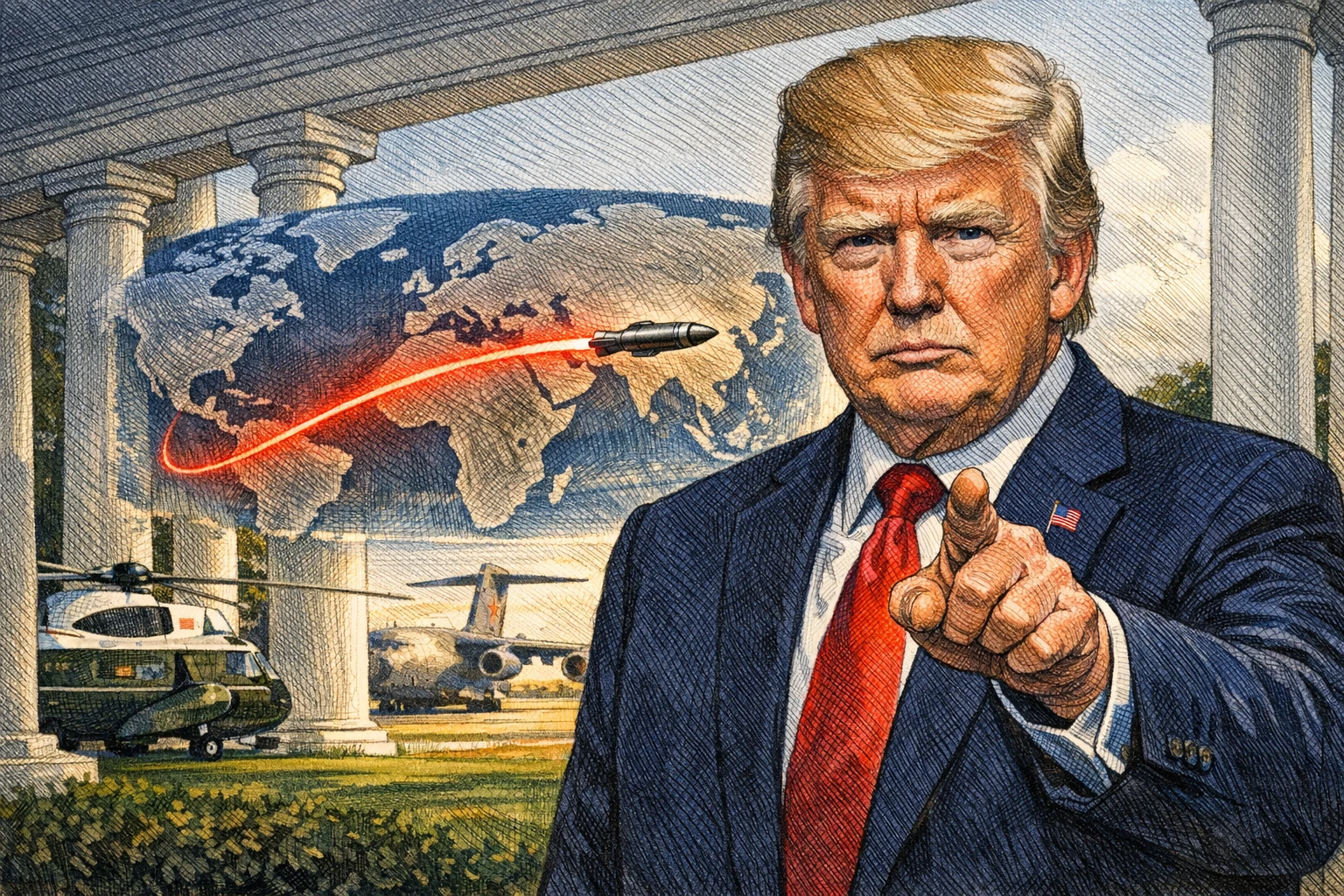
The New York Times, citing multiple unnamed U.S. officials, reported that China may have shipped shoulder-fired anti-aircraft missiles (MANPADS) to Iran in recent weeks. While intelligence cannot confirm delivery, President Trump responded forcefully: "China will be in big trouble, understand?"
Why MANPADS Raise Alarm
MANPADS are man-portable air-defense systems capable of targeting low-flying aircraft and helicopters. Their small size and mobility make them a hard-to-track asymmetric threat. The report notes that U.S. warplanes have previously been struck by such weapons. If China indeed supplied them, Iran's ability to counter U.S. air operations would improve significantly.
China Denies, But Intelligence and Diplomacy Intensify
China's embassy in Washington denied the claim, stating it "has never provided weapons to any party in conflict." However, the New York Times cited assessments that some Chinese officials want Beijing to approve direct military supplies to Iranian forces. A shift to seaborne missile deliveries would mark a major escalation, signaling that at least some Chinese leadership seeks to raise America's costs in the Middle East. U.S. intelligence also believes China has secretly authorized the transfer of chemicals, fuel, and dual-use parts to Iran, mirroring its support for Russia in Ukraine.
Russia's Role: Satellite Intelligence for IRGC
U.S. intelligence confirmed that Russia has been providing satellite intelligence to Iran's Islamic Revolutionary Guard Corps (IRGC) to help target U.S. naval vessels and diplomatic facilities. Russian support includes satellite imagery, food, and non-lethal equipment, though Moscow remains cautious about directly provoking Washington. America's strategic rivals are leveraging support for Iran to drain U.S. military and diplomatic resources, raising the long-term cost of U.S.-led operations.
The report comes as Trump plans a mid-May summit with President Xi Jinping in Beijing, covering trade, technology, and military issues. The summit has been delayed by six weeks amid geopolitical strains. Cryptocurrency market participants are closely watching whether these tensions could spill over into risk assets.