
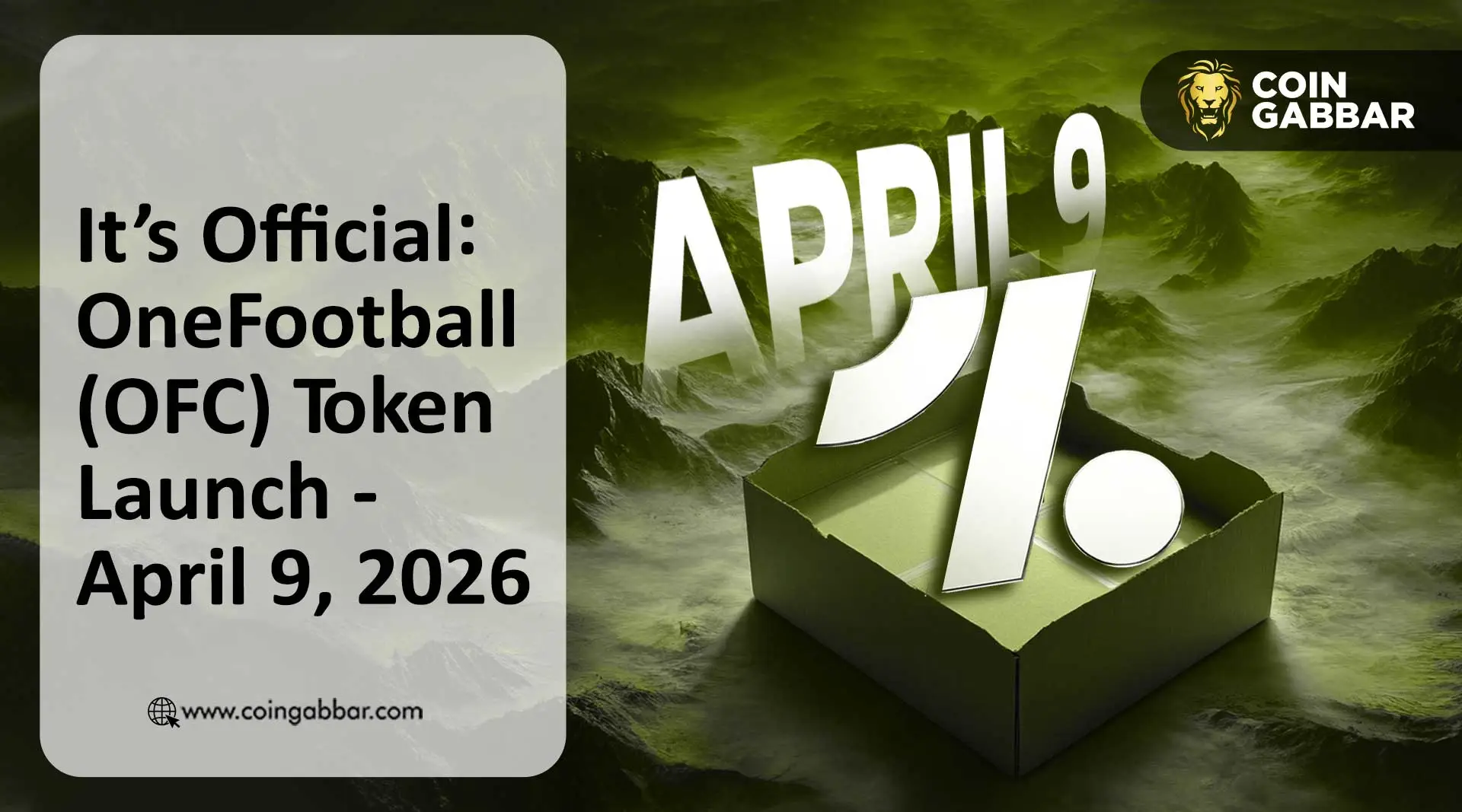
OneFootball has set April 9, 2026 as the date for its OFC token generation event, putting a firm launch schedule behind its move into Web3. The announcement follows a teaser campaign built around a cinematic video and places the rollout in the run-up to the 2026 FIFA World Cup, a period that could draw added attention from global football audiences.
A football platform with a 200 million-user base
The project is tied to a platform that says it already reaches more than 200 million monthly users worldwide. That scale gives OneFootball a distribution channel few token launches can match. The report also names Animoca Brands and Adidas among the major backers connected to the program, pointing to notable institutional support around the ecosystem.
According to the published details, $OFC is intended for fan rewards, governance voting, digital collectibles and access to FanPass features. The ecosystem is being built across Ethereum and Base, with the stated aim of linking mainstream football audiences to blockchain-based ownership and engagement tools.
Airdrop allocation tied to past activity
The airdrop remains a central part of the launch strategy, though its exact distribution date has not been confirmed. The article says it is likely to happen shortly after the April 9 token launch. Eligibility and allocation are expected to depend on earlier participation within the ecosystem, especially BALLS farming during previous campaign windows.
User rankings, point accumulation and broader community involvement are all described as important factors in the allocation process. The report also says the OFC listing date is expected to coincide with the TGE or come very close to it, making the initial launch period especially important for early participants watching for trading access.
No official token price yet
OneFootball has not released an official OFC price. Even so, the source article lays out external estimates based on comparable fan tokens and current market conditions. Those projections place the expected launch range at $0.05 to $0.10, a short-term range at $0.12 to $0.20, and a medium-term range at $0.25 to $0.40 if user adoption and ecosystem development continue to expand.
Those figures are not official pricing from the project. They are market estimates cited in the report, and actual performance would depend on how efficiently OneFootball converts its existing audience into active token users after launch.
Post-launch roadmap includes FanPass expansion
The roadmap outlined in the report includes a global rollout of FanPass, new strategic partnerships, an updated roadmap and whitepaper, a redesigned website, additional product releases and growth in community-led programs. The same report notes that the airdrop claim process may be complex, adding another point of focus for users trying to secure allocations.
For now, the confirmed date is the clearest development: OFC is scheduled to go live on April 9, 2026, with listing plans, airdrop mechanics and broader ecosystem updates clustered around that launch window.