
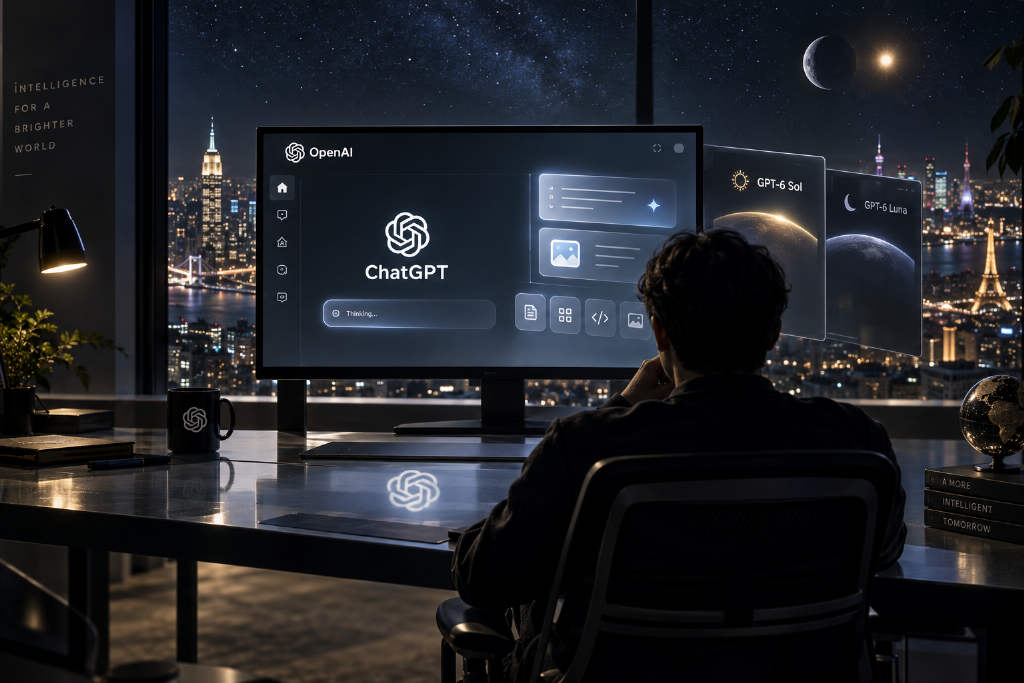
OpenAI has rolled out GPT-6 to ChatGPT users worldwide, opening it up to both free and paid accounts. Inside ChatGPT, these new models take the place of GPT-5.6 Sol and GPT-5.6 Luna.
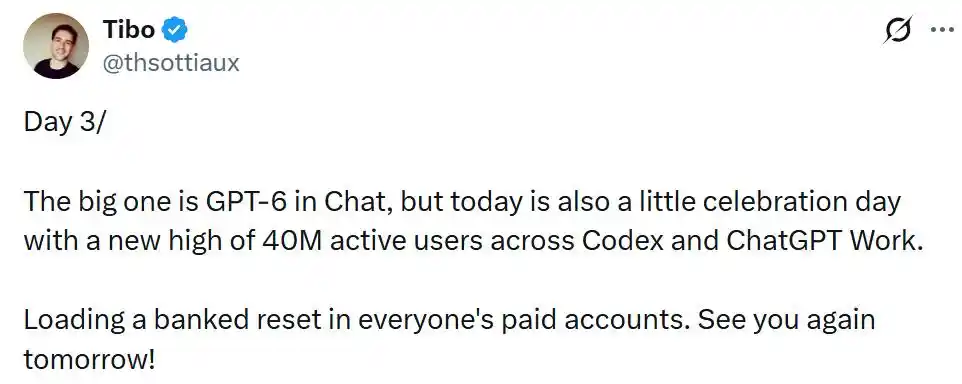
People using GPT-6 Sol and GPT-6 Luna through Codex and ChatGPT Work will stay on the versions that were released earlier.
Just hours before the wider launch, OpenAI CEO Sam Altman wrote: "When I look up at the starry sky tonight, I feel an especially deep sense of awe. Your sea is so vast, and my boat is so small."
Intelligent UI is the main change in this release
The headline change in the GPT-6 update is Intelligent UI. Rather than leaning mostly on text replies, GPT-6 can now decide how to mix text, images, charts, buttons, and forms, then build an interactive response interface right inside ChatGPT.
It shifts depending on the job. For comparing products or plans, ChatGPT can line up options side by side. For harder ideas, it can build interactive diagrams. And if plain text does the job, it can still reply the old-fashioned way.
OpenAI said the point is to make everyday questions easier to understand. In the examples it shared, a Sunday roast plan can show recipes and timing in one place, while a road-trip plan can plot stops on a map and flag which ones are worth the detour.
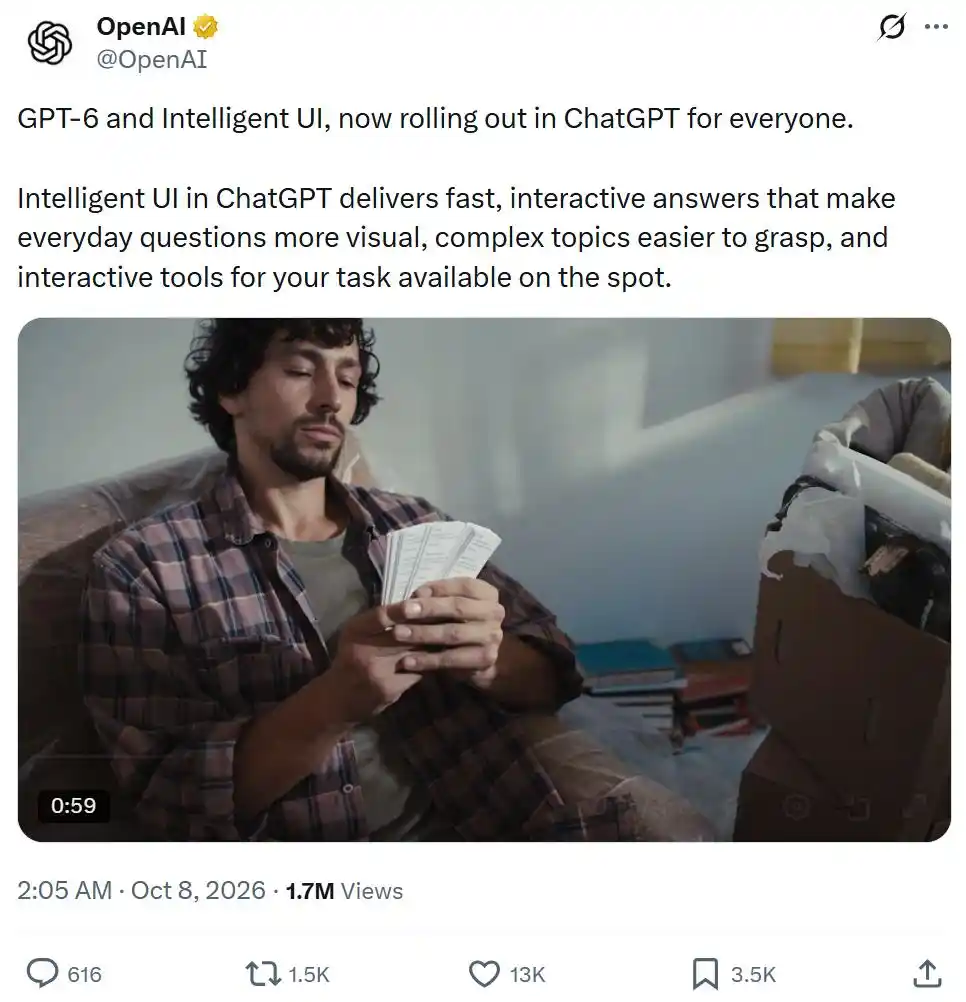
For tougher subjects, users can explore how something works through visual, interactive explanations, tweak inputs and watch results change, or move through a task one step at a time.
Users can even ask ChatGPT to make a tool for the task sitting in front of them. OpenAI said that might be a calculator for tracking savings growth, a bill-splitting tool for dinner with friends, or even a playable mini-game generated inside the chat.
How OpenAI says Intelligent UI works
On the technical end, OpenAI said the basic idea is simple: let GPT-6 pick the interface that best fits each query while keeping the experience consistent on web and mobile.
So the company built a native component library with streaming support and matched it with a UI compiler. As the model produces a response, it can call those components and decide how text, charts, buttons, and forms should be arranged. The compiler then renders the interface progressively as output comes in, so users do not have to sit around waiting for the full answer before interactive elements start showing up.
OpenAI also said it broadened its training methods so the model can make better calls on content, layout, visual presentation, and interaction patterns. During training, the company judged generated interfaces for clarity, usefulness, and completeness.

According to OpenAI, that training taught GPT-6 how to use the component library and make smarter design choices, including how to organize information clearly, when interaction should be added, and when a straightforward text answer is enough.
But OpenAI said there is still room to improve the model's design judgment and the range of content it can generate. Even so, the company framed Intelligent UI as a real shift in how people use ChatGPT. Instead of squeezing every kind of question into the same chat format, ChatGPT can now blend interface, data, and actions in a different way.
GPT-6 can start answering while it is still reasoning
OpenAI said GPT-6 lets ChatGPT start generating a response while it is still thinking.
Reasoning models made tougher questions manageable, but people often had to wait until the model finished its internal process before any answer appeared. With GPT-6, OpenAI said, thinking and answering can now happen in an interleaved way. The company trained the model to take user wait time into account and to organize and deliver responses progressively based on what it already knows and on intermediate conclusions.
OpenAI said GPT-6 can also add useful information across several partial responses while trying to avoid filler, with the final answer staying coherent and remaining close in factual quality to a response written all at once.
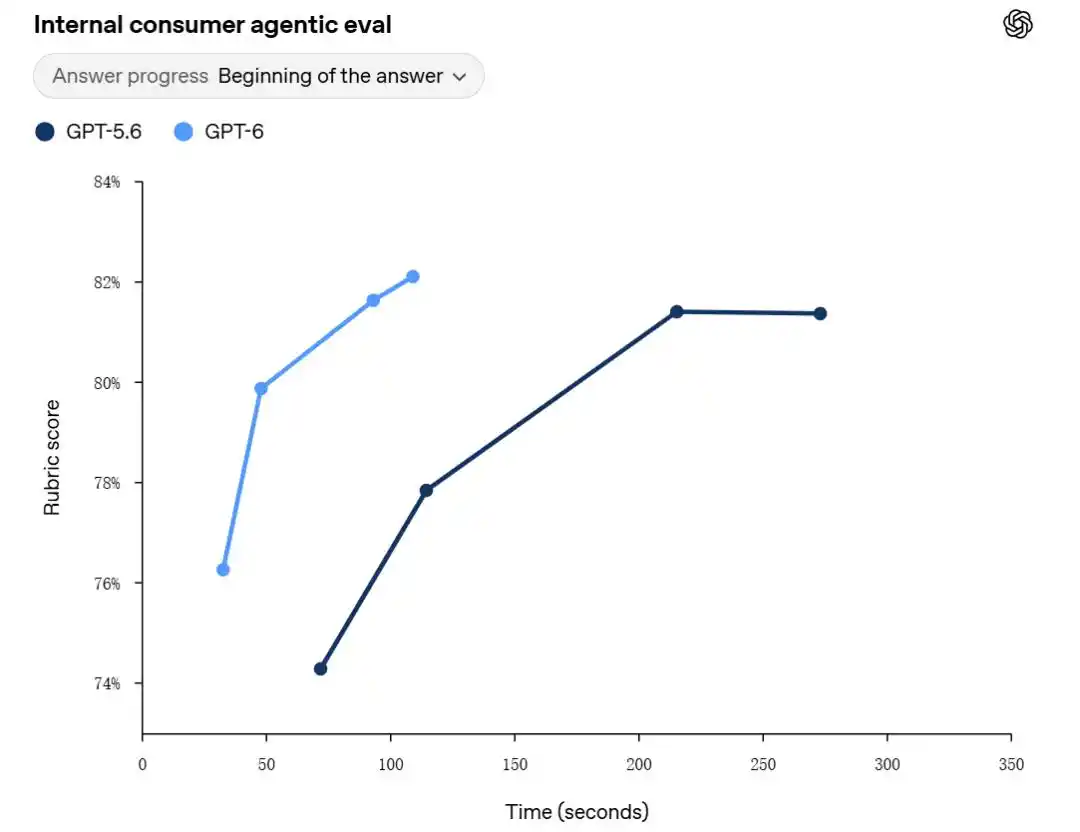
In an internal evaluation centered on high-value, everyday agent tasks, OpenAI said GPT-6 Extra High matched GPT-5.6 Medium on time to first response, while scoring above GPT-5.6 Extra High overall.
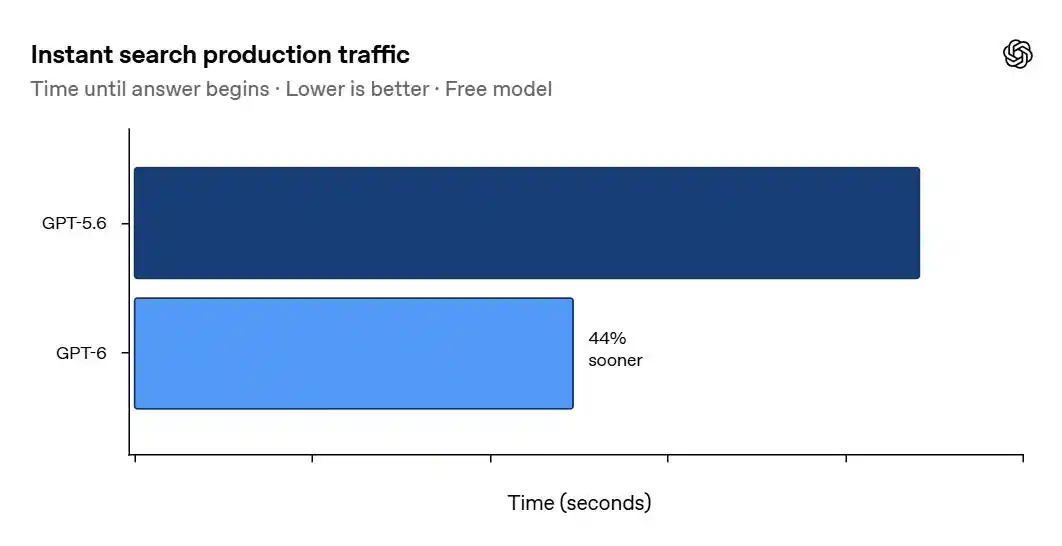
For questions that needed web search, GPT-6 Instant started responding 44% faster on average than GPT-5.6 Instant.
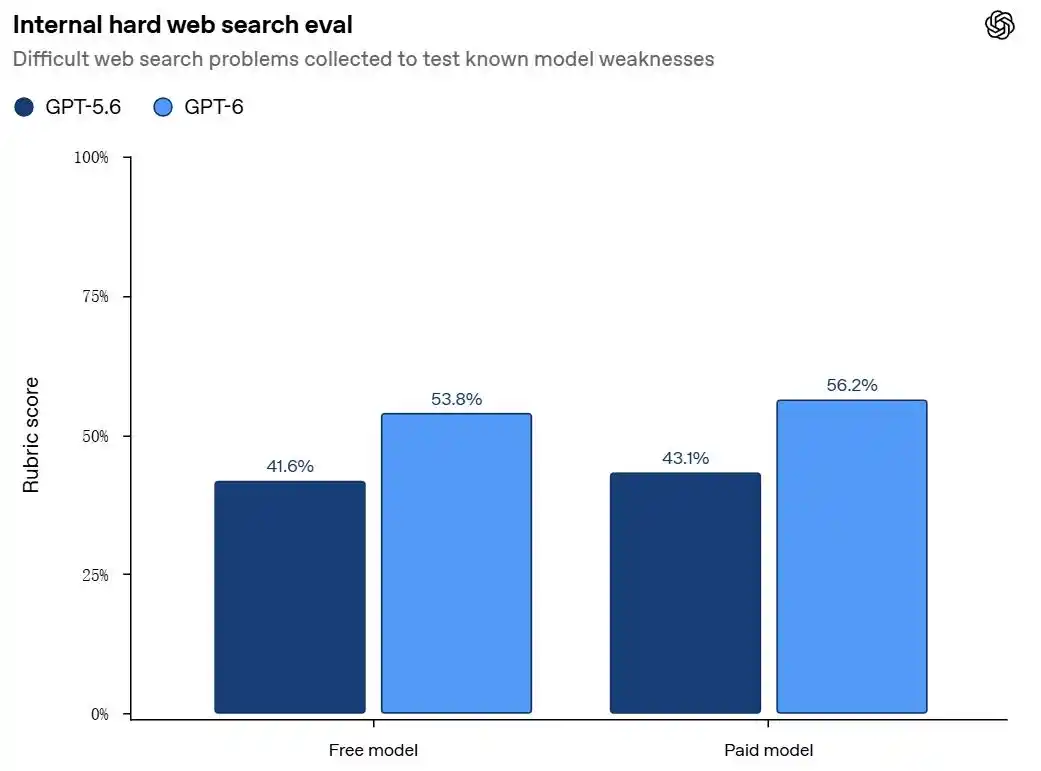
OpenAI also said GPT-6 improved answer quality on tasks that require web search. The company said the model is better at deciding when outside information is needed and more dependable at finding material that supports an answer.
In another internal evaluation covering difficult questions, OpenAI said GPT-6 was more likely than GPT-5.6 to identify and address the key points in user prompts.
Availability expands from paid tiers to free users
OpenAI first launched the initial GPT-6 models to paid users last month. Now the rollout is getting broader.
Starting today, GPT-6 with Intelligent UI is rolling out through the Chat page in ChatGPT to Plus, Pro, Business, and Enterprise users worldwide. Starting tomorrow, the rollout expands to Free and Go users. For Enterprise accounts, access may depend on settings controlled by organization administrators.
Inside ChatGPT, Plus, Pro, Business, and Enterprise users are mainly getting GPT-6 Sol, while Free and Go users are mainly getting GPT-6 Luna. OpenAI said both models are tuned for everyday conversation.
This update applies only to the Chat experience in ChatGPT. The models now used in ChatGPT Work and Codex are not changing as part of this release.
What OpenAI says comes next
OpenAI said its mission is to make sure the benefits of artificial general intelligence are distributed safely to all of humanity. The company said GPT-6 brings its latest generation of intelligence to the more than 1.2 billion people who use ChatGPT each week.
It called Intelligent UI an important step toward the next phase of ChatGPT, where the product can shape an interface on the fly around the task a user is trying to finish.
Over the longer run, OpenAI said it wants ChatGPT to create the interface users need for more everyday tasks in real time. In that version of things, a user would only need to describe the goal, then finish the task inside an interaction built around it.
OpenAI also said that for decades, people have had to learn software and hunt for functions inside fixed interfaces designed ahead of time for specific tasks. Its view of the future is different. People will stop adapting to software, and software will start adapting to people.
Reference: https://openai.com/index/gpt-6-for-everyone/
This article cites material first published by the WeChat account Jiqizhixin.