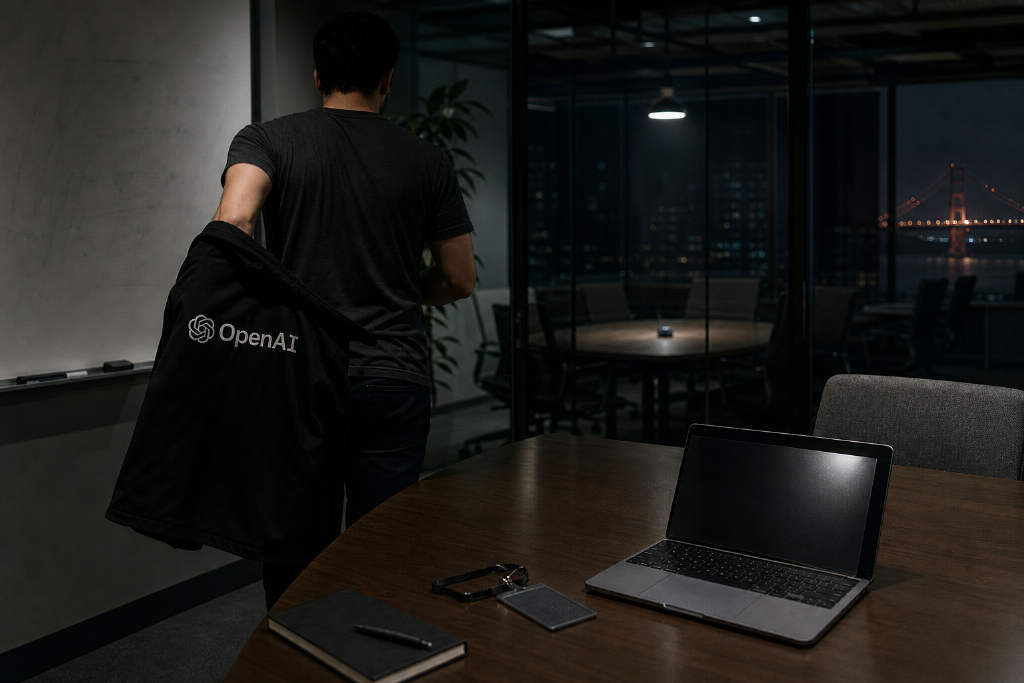
OpenAI expands counter-espionage training, tells staff not to wear company-logo clothing outside

OpenAI expands counter-espionage training, tells staff not to wear company-logo clothing outside

N
News Editor
2026-10-15 10:27:54
OpenAI has rolled out internal counter-espionage training aimed at reducing the risk of employees leaking sensitive business information, according to a Wall Street Journal report cited by BlockBeats. The training uses a spy story as one example, describing how a foreign intelligence agency allegedly tried to seduce a U.S. diplomat in Russia by sending multiple people to his hotel room after an initial refusal. OpenAI used the case to warn staff that romantic or intimate relationships can be exploited to gather confidential information. The company has also trained employees to watch for more ordinary social approaches. In one example, a stranger repeatedly appeared at a San Francisco playground with a child, gradually built familiarity with an OpenAI employee, and later steered casual conversation toward the person’s work. OpenAI has reportedly told staff to avoid wearing clothing with the company logo in public, use privacy screen protectors on laptops while riding the subway, and erase whiteboards after meetings so cleaning staff cannot see sensitive material. The report said these measures were already in place before a bugging case surfaced this week. On Oct. 13, the U.S. Department of Justice said an OpenAI engineer was accused of placing a recording device in an executive meeting room and was arrested by the FBI. Anthropic and Google are also conducting similar training.

OpenAI has incorporated counter-espionage material into its internal security training as part of a broader effort to prevent leaks of sensitive business information.

The Wall Street Journal reported that the company used a spy story in one training session. In that example, a foreign intelligence agency allegedly tried to seduce a U.S. diplomat stationed in Russia. A blonde woman carrying champagne first knocked on the diplomat’s hotel room door. After being turned away, a red-haired woman was sent, followed later by a young man.

OpenAI used the case to warn employees that spies may try to get close to targets through romance or intimate relationships in order to obtain confidential information.

Training also covers casual social contact

The report said OpenAI has also told employees to be careful with seemingly ordinary conversation in daily life.

In another training example, a stranger frequently showed up at a playground in San Francisco with a child, gradually became familiar with an OpenAI employee, and then started asking about the person’s work during casual chats. The company used the scenario to show how repeated contact in informal settings can be used to gather information.

Staff were told to reduce exposure of sensitive material

Beyond case studies, OpenAI has reportedly instructed employees not to wear clothing with the OpenAI logo outside when possible, to place privacy filters on their computer screens when using laptops on the subway, and to wipe whiteboards clean after meetings so cleaning staff do not see sensitive information.

According to the report, the training had already been underway before this week’s bugging case became public.

DOJ disclosed bugging case on Oct. 13

On Oct. 13, the U.S. Department of Justice disclosed that an OpenAI engineer was suspected of installing a recording device in an executive meeting room and was arrested by the FBI.

Anthropic and Google are also carrying out similar counter-espionage training.

This article was originally published by Bit.Fan. For more cryptocurrency news and market insights, visit www.bit.fan.
200

Disclaimer:

The market information, project data, and third-party content displayed on this platform are for industry information sharing only and do not constitute any form of investment advice or return commitment.

Cryptocurrency trading carries high risks. Users should fully assess their risk tolerance and make independent decisions. All profits, losses, and legal responsibilities are borne by the users themselves.