


OpenAI releases GPT-Image-2.5
OpenAI has released GPT-Image-2.5, an update focused on faster image generation, more accurate local edits and stronger consistency across repeated revisions.
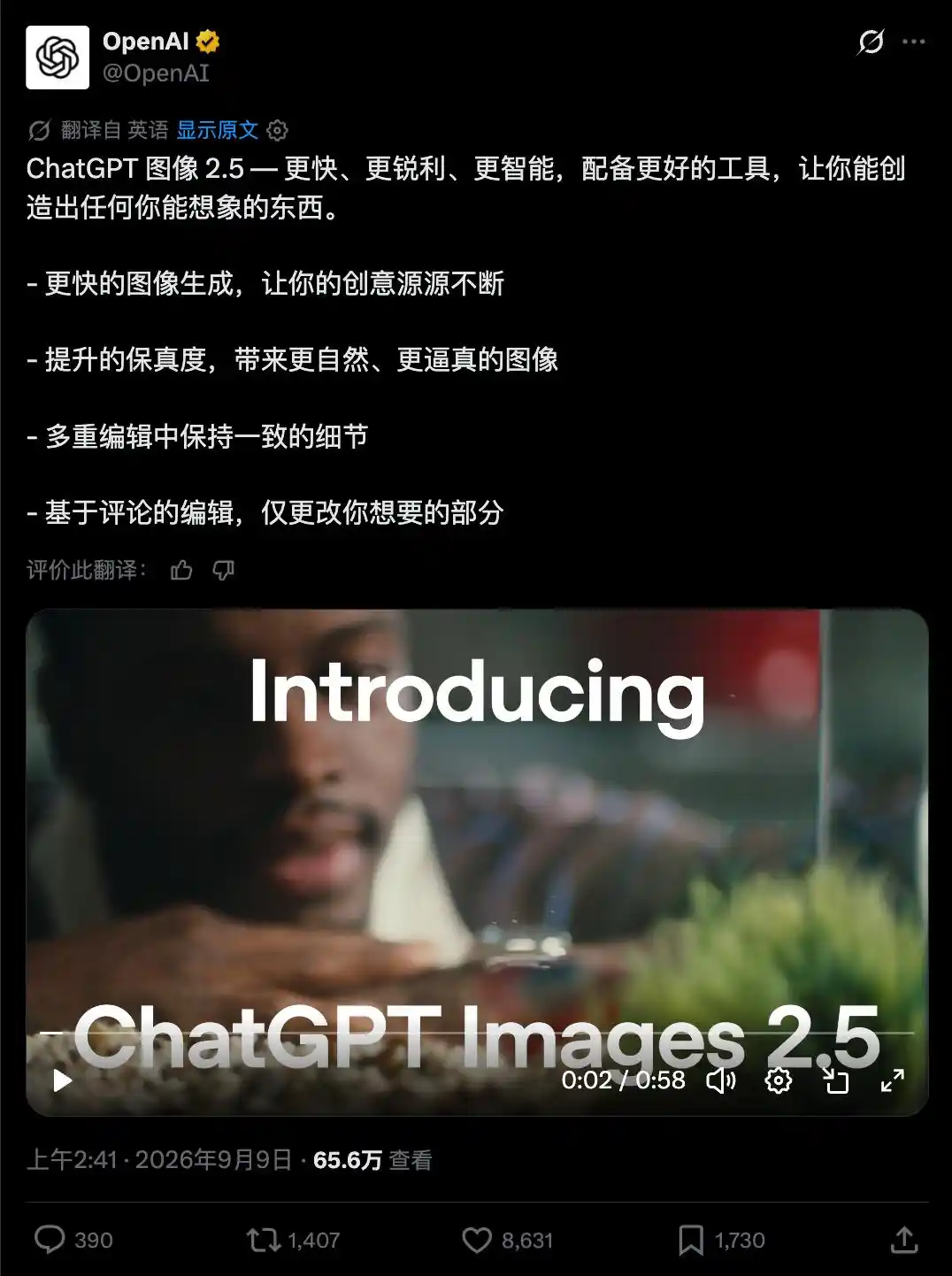
The company says GPT-Image-2.5 reduces generation latency by up to 50% compared with Images 2.0. The model is available to users across ChatGPT, ChatGPT Work and Codex, including those on the free tier.
OpenAI reported a combined weekly generation volume of 3 billion images for ChatGPT Images and the GPT-Image API. Based on the calculation cited in the article, that works out to roughly 430 million images per day.
Chinese text, photo restoration and targeted edits
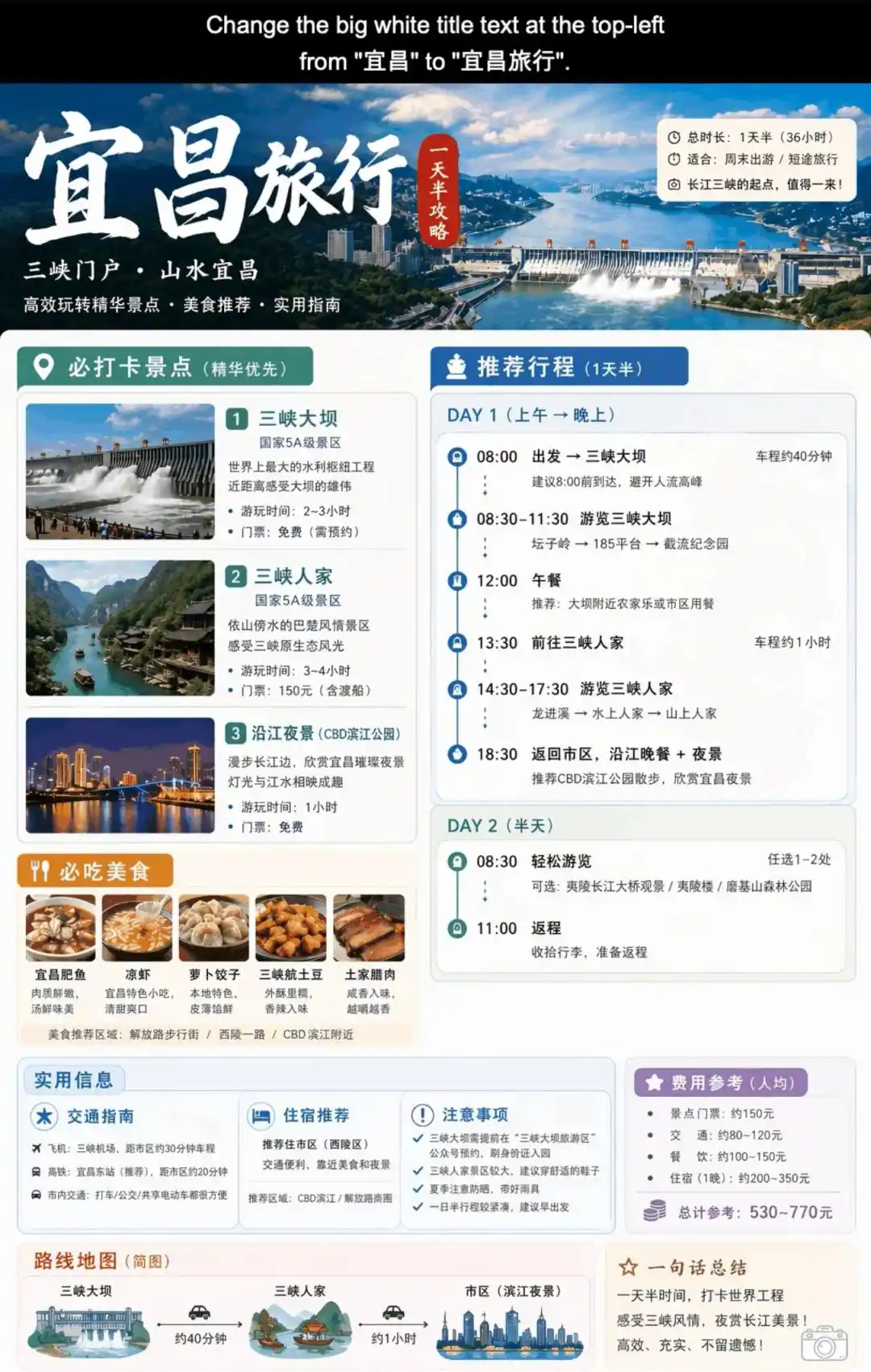
The demonstrations described in the article cover Chinese text rendering, old-photo restoration, virtual outfit changes and scene cleanup. Chinese garbled text is presented as no longer appearing in the GPT-Image-2.5 examples, making text rendering one of the release’s prominent demonstrations.
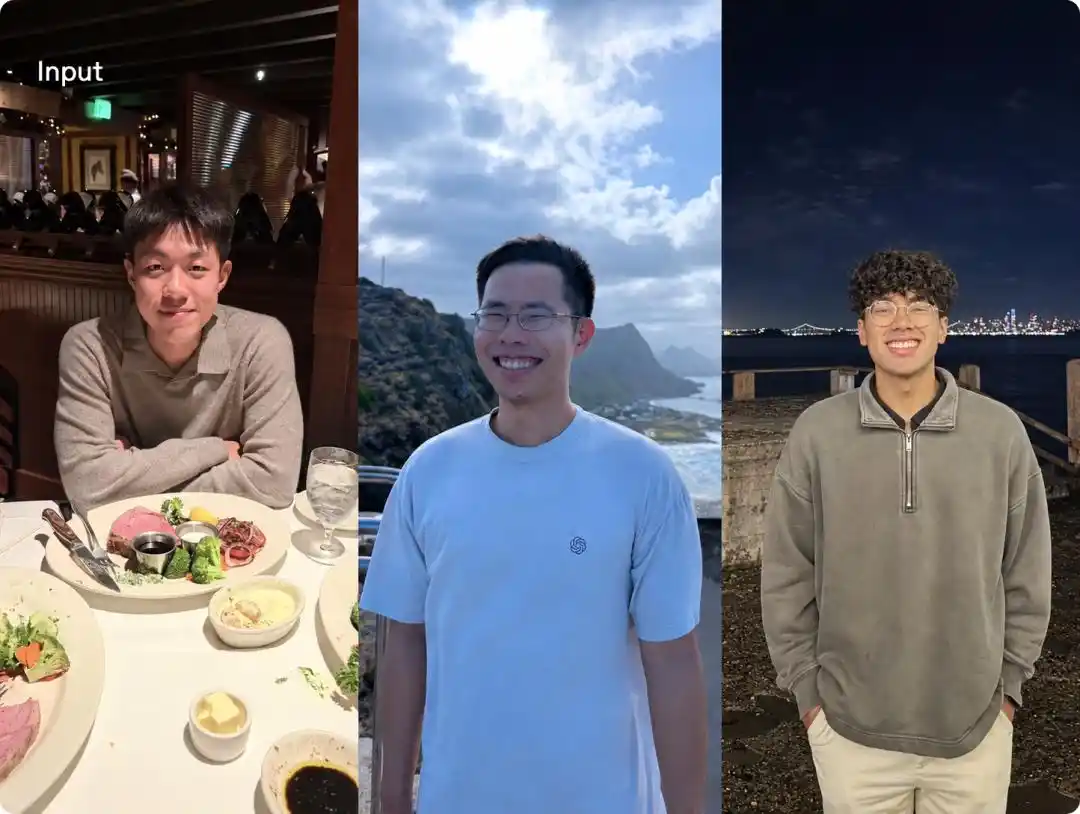
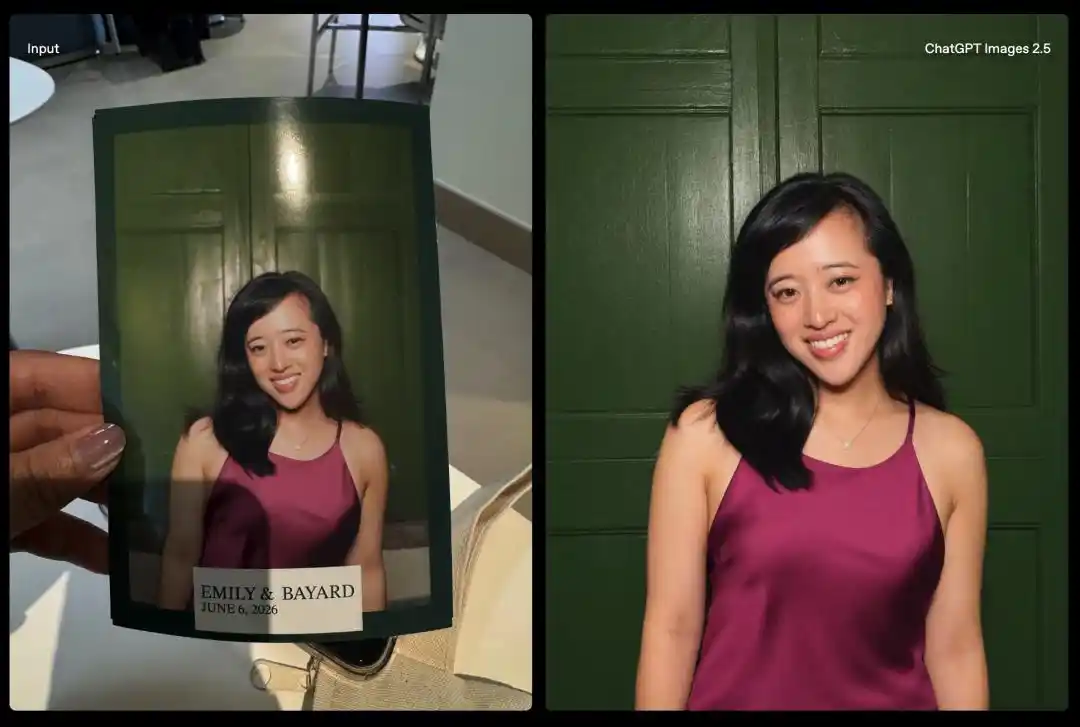
In one example, the model extracts and restores a printed old photograph, turning it into a high-definition digital image. Another example uses a person’s image to show how different clothing can be visualized.
A separate demonstration starts with an image of a messy quilt. The output shows the quilt folded and arranged, while the article describes the scene as highly consistent, with no obvious visual errors.
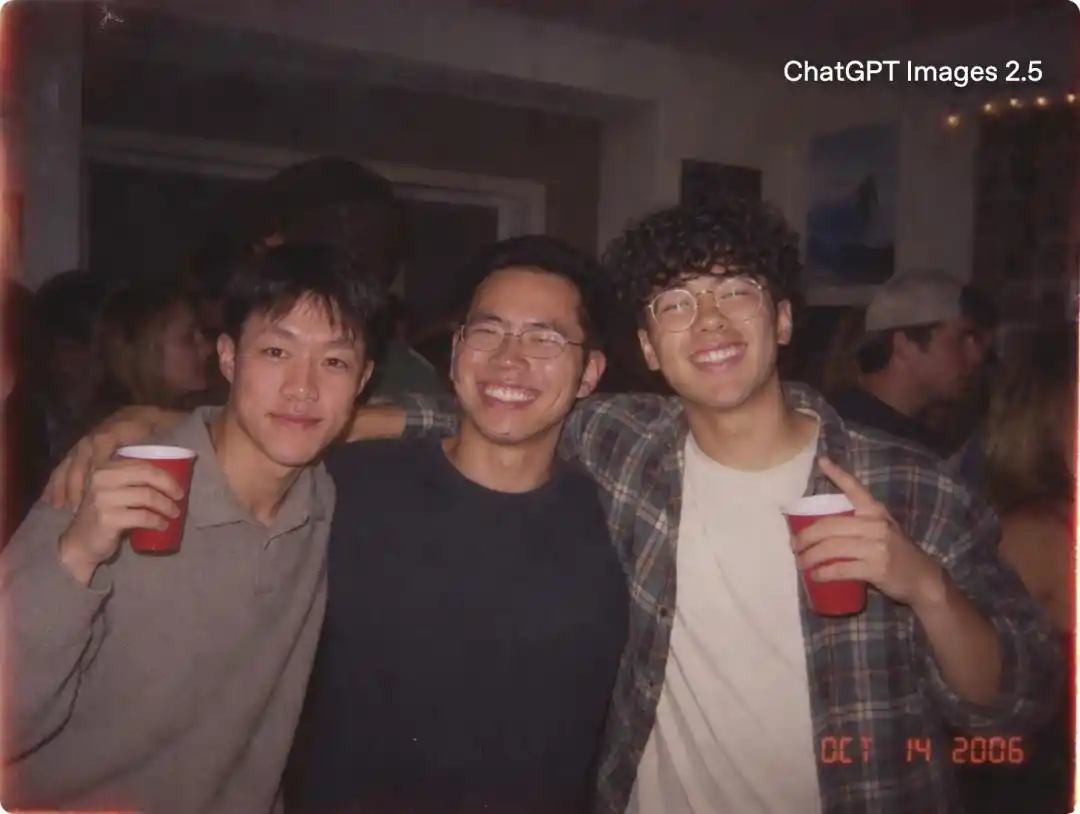
Speed is only one part of the update. OpenAI also points to better lighting and texture rendering, as well as improved preservation of the main subject in a reference photograph. GPT-Image-2.5 targets a long-running problem in image tools: a request to change one area can sometimes alter parts of the image that the user did not ask to touch.
According to OpenAI, Images 2.5 can edit a specified region while preserving the composition, lighting and key subject characteristics elsewhere in the frame. The company also says stability has improved in images with complex backgrounds and multiple subjects.
Users can place comments and annotations directly on an image and circle the area that needs work. The interaction is described as similar to the workflow of the design tool Figma. Multi-turn editing is another area of improvement. When the same image is revised repeatedly in a long conversation, earlier edits can be retained without a decline in image quality across rounds.
Axultan Alimkulov, head of product at Higgsfield AI, commented on Flare by saying that the model’s understanding of «what not to change» was especially impressive. In his view, a meaningful edit should preserve the original image’s characters, composition and visual style.
Sketch, templates and Prompt sharing
GPT-Image-2.5 adds a hand-drawn input feature called Sketch. Users can type @Sketch in a ChatGPT conversation to open a drawing panel, then combine a sketch with written instructions about style and detail. ChatGPT uses the sketch as a compositional reference when producing the final image.
OpenAI’s examples include turning a rough room-layout sketch into an interior-design rendering and converting a simple human outline into an illustration. The article says the key requirement is not drawing skill, but showing spatial relationships and approximate proportions so the model can understand the structure of the scene.
Templates cover frequently used formats such as posters, product images and flyers. Users select a template, enter the relevant information and describe their preferred style. The model then generates an image within the preset structure, reducing the trial and error involved in writing a Prompt from scratch.
Prompt sharing lets users publish the complete Prompt used to create an image. Other users can add their own photographs and details to produce a personal version within the same framework. The article says that an «1980s retro portrait» Prompt has already circulated on social media, allowing users to upload a selfie and generate an image in the same style.
Taken together, these features expand image creation beyond typing alone. Users can start with a sketch, a template or a reusable Prompt.
API split into Flare and Sunburst
For developers, OpenAI is introducing two image models through its API: GPT-Image-2.5 Flare and GPT-Image-2.5 Sunburst. This is the first time OpenAI’s image API has been divided into product tiers based on speed and quality.
Flare is built for speed and batch generation. OpenAI positions it as the default choice for most applications, including social content, product experience images, rapid prototypes and other high-frequency generation tasks.
Lucky Liao of the Manus evaluation team supplied more specific testing data. In their tests, Flare generated images two to four times faster than GPT-Image-2. The article also points to improvements in transparent-background generation, which can be used for programmatic brand assets, presentations and website imagery.

Sunburst is aimed at high-end creative workflows. It uses a longer generation time in exchange for finer editing control. OpenAI lists finished brand-marketing assets and refined product images as typical use cases.
Adobe has confirmed that it will integrate the Images 2.5 models into Firefly. Matt Chotin, Adobe’s senior director of product, said the 2.5 version brings faster generation and more consistent resolution, while images can retain clarity and realism after multiple rounds of refinement.
The two-model structure separates high-volume, low-latency generation from high-precision customization. Developers can select the model that fits their application without accepting extra waiting time for precision they do not need.
A faster image-model release cycle
The article compares the new API structure with the tiering used in language-model APIs and describes it as OpenAI’s first clear speed-and-quality split for its image API.
The Images 2.5 name continues the rhythm of OpenAI’s image product line. The article says GPT-Image-1.5, released at the end of 2024, followed the same «.5» version pattern. The gap between the two .5 releases was less than a year, which the article presents as evidence that image-model iteration is moving closer to the pace of language-model development.
The original article calls GPT-Image-2.5 the world’s strongest image-generation model and describes its lead as decisive. It also suggests that OpenAI may keep expanding its multimodal capabilities in competition with Anthropic’s models, including Computer-Use capabilities, with the potential to strengthen base models such as GPT-7. Those statements are presented in the source as judgments and forward-looking views.