
OpenAI rolled out six role-based plugins for Codex on July 2, targeting jobs such as data analyst, sales, and investment banking. In total, the new plugins connect 62 business applications and package 110 automation skills. The company says users do not need to write prompts, connect APIs, or build workflows from scratch, because each plugin comes with prebuilt instructions, integrations, and job-specific scenarios that can also be customized.
Codex packages common knowledge-work tasks into ready-made roles
The launch is aimed at knowledge workers who want to run multi-step business tasks through a single interface. In OpenAI’s internal report, The Next Era of Knowledge Work, non-engineering users account for 20% of Codex weekly active users, while their adoption rate is running at three times that of engineering users. That suggests Codex is moving beyond its original developer-heavy user base and into broader office workflows.
Pricing stays under OpenAI’s current subscription plans, with no separate charge for the new role plugins. Plus remains at $20 per month, while Pro is set at $100 per month. That matters for teams evaluating deployment, since adding the plugins does not force a new budget review and shifts the discussion toward implementation inside existing operations.
Sites turns Codex output into hosted interactive pages
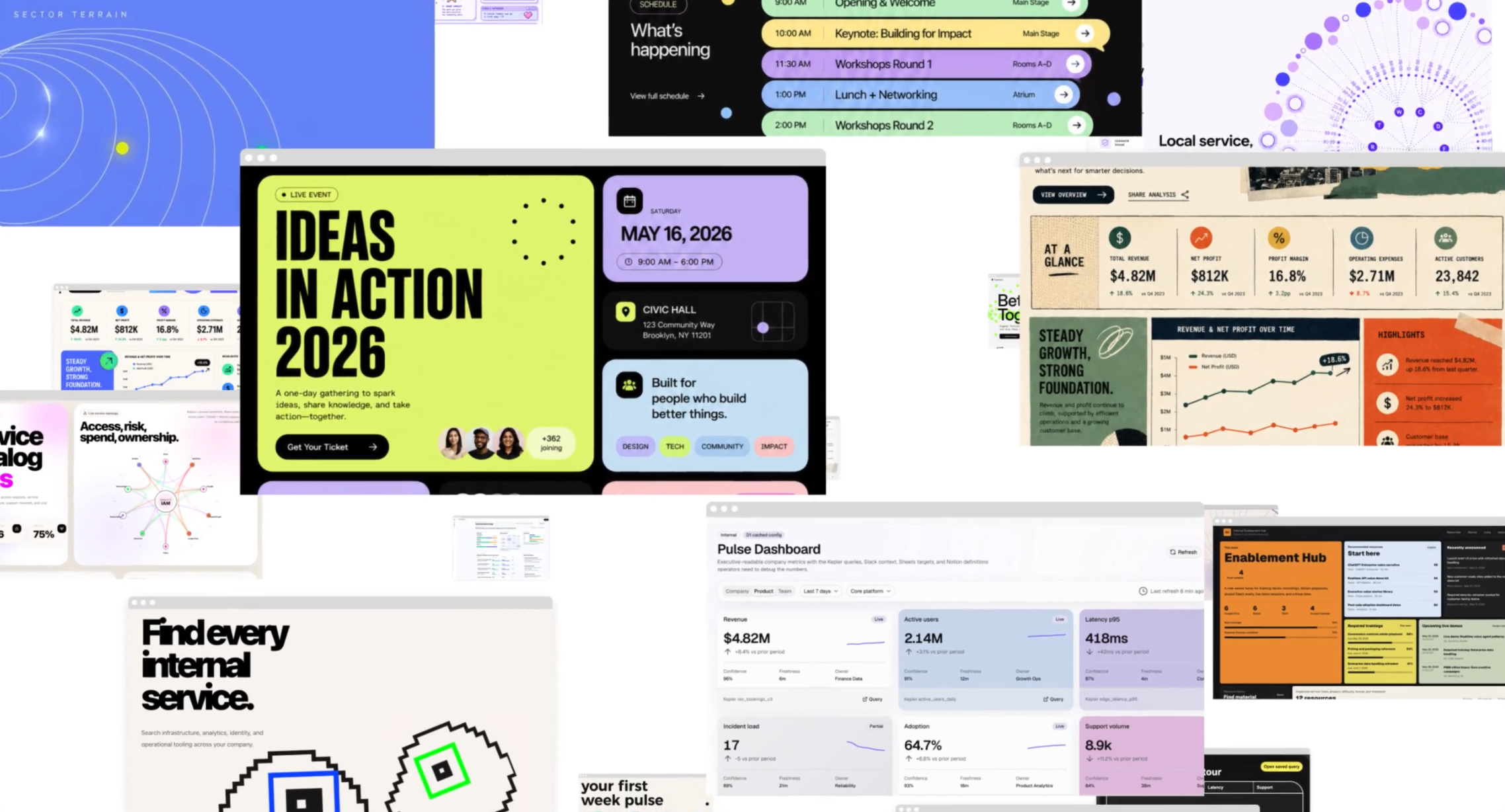
OpenAI also introduced a lower-layer feature called Sites. Instead of producing only a local file, Codex can now turn output into a hosted interactive website that can be shared through a link. Named partners include Wix, Replit, Figma, and Lovable. The addition shows OpenAI expanding Codex from content generation into a delivery format that fits collaboration and presentation more directly.
Enterprise competition is centered on deployment depth
The source material notes that Anthropic launched plugins for its enterprise agent plan in February and followed with a finance-focused agent in May. OpenAI added plugin support to Codex in March and released finished role-specific plugins in June, leaving a gap of about three to four months. In the enterprise market, 5 million weekly active users may be an attention-grabbing figure, but long-term stickiness depends on how deeply these systems are embedded into business infrastructure and workflows.
Denise Dresser, OpenAI’s chief revenue officer, said in the announcement that AI is becoming capable of doing increasingly meaningful work inside organizations, and that the challenge now is helping companies integrate these systems into the foundations of their operations and workflows.