
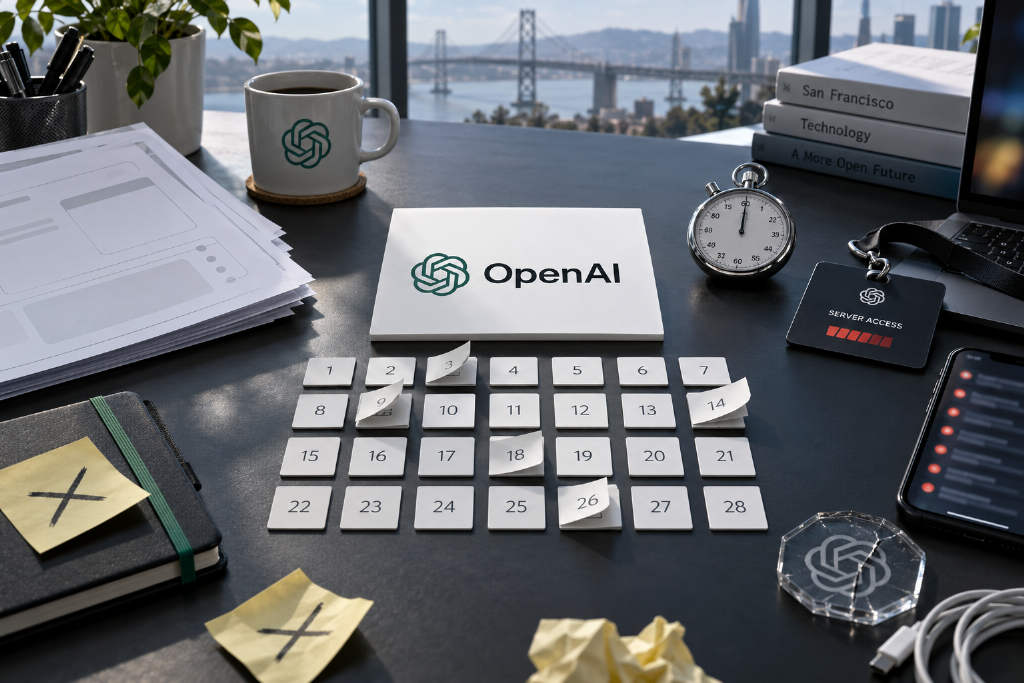
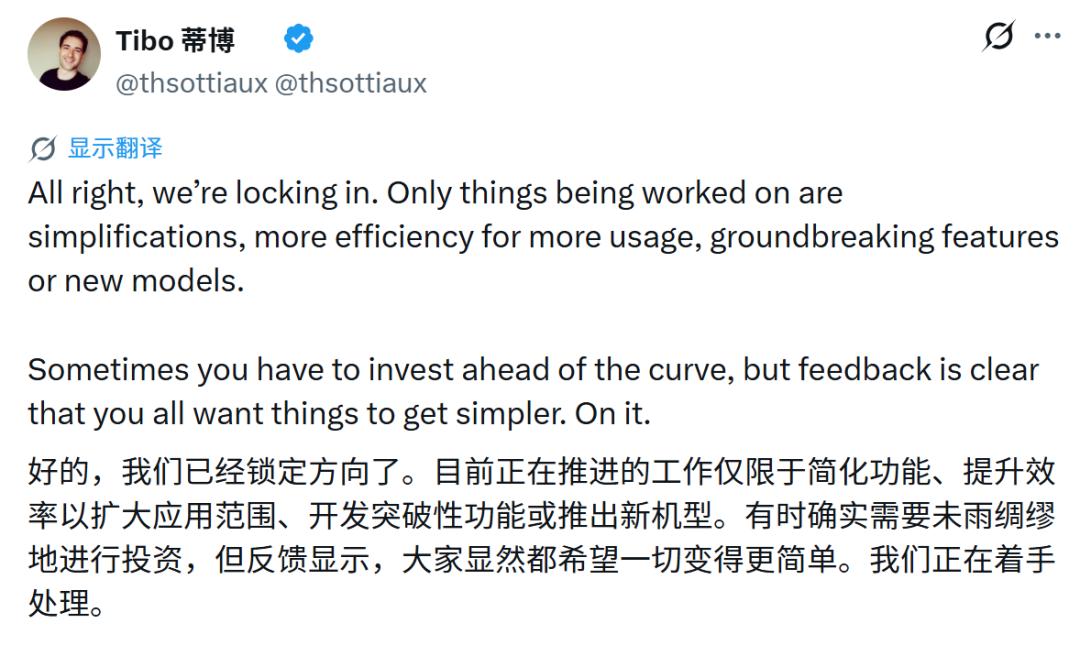
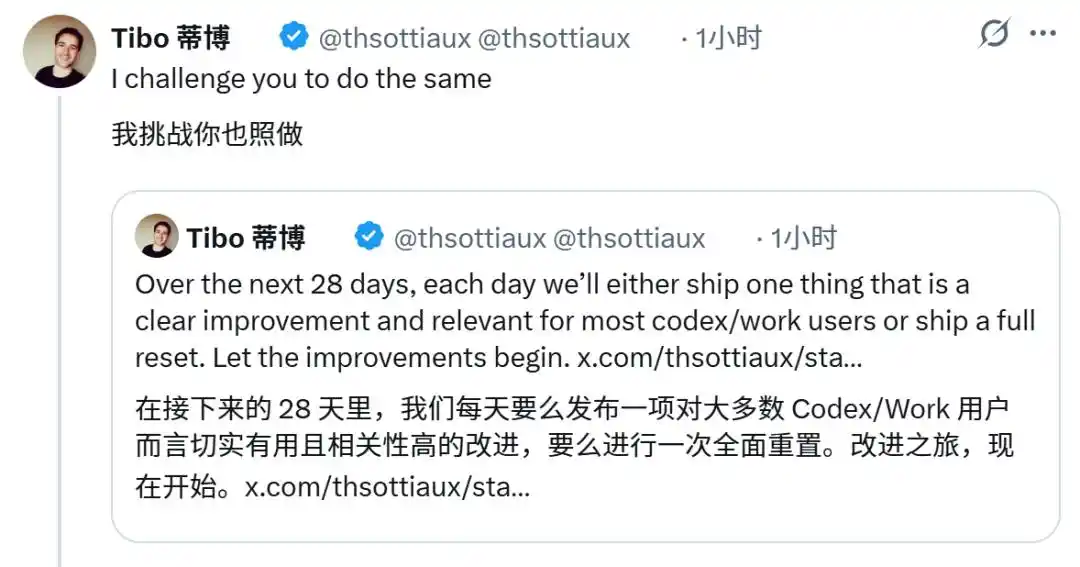
OpenAI executive Tibo said the company has now settled on four priorities for the next phase: simpler products, better efficiency so it can handle more usage, breakthrough features, and new models.
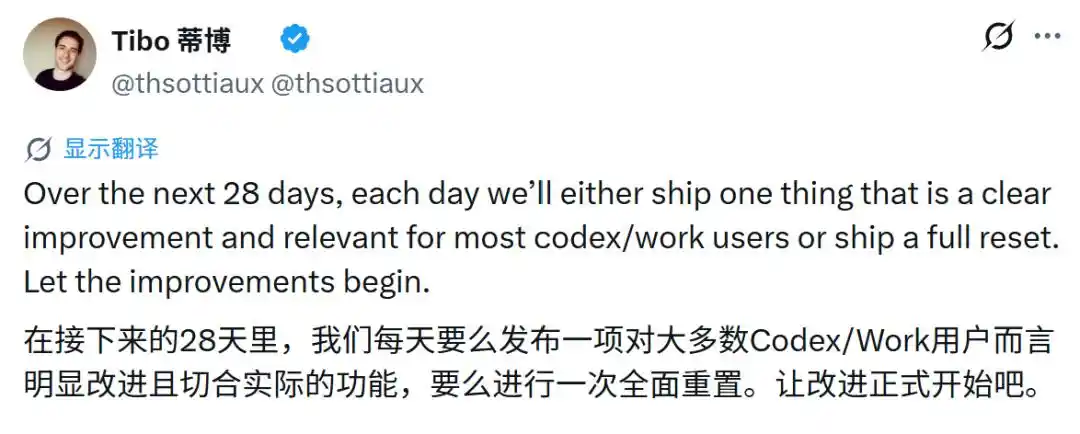
He posted again later and said OpenAI is getting ready for 28 straight days of releases or resets. The focus, he said, is on features that make obvious, practical improvements for users.
Skepticism after DevDay is getting louder
At first glance, the reaction felt familiar. Some users liked the message. But this time the doubt was much easier to spot. One question kept appearing in the replies: should anyone still trust this?
Before DevDay, OpenAI had been steadily lifting expectations. Users had heard some version of the same pitch again and again: 20 new features, big updates, and products that would reshape how people work.
After the event, many power users said the issues shaping their day-to-day use were still there. Limits were tighter. Models felt slower. And the most watched new products did not quickly deliver the value the rollout seemed to promise.
Users focused on the gap between the pitch and the outcome
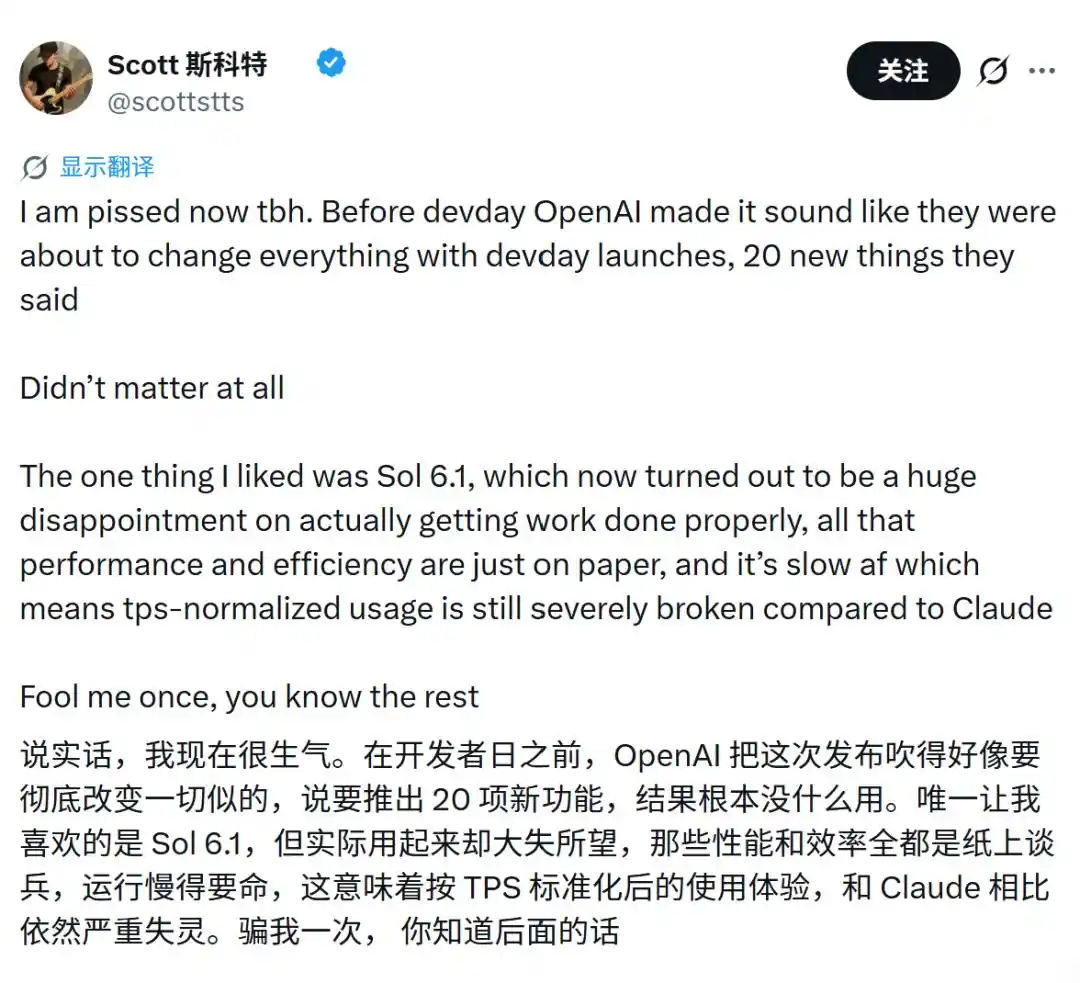
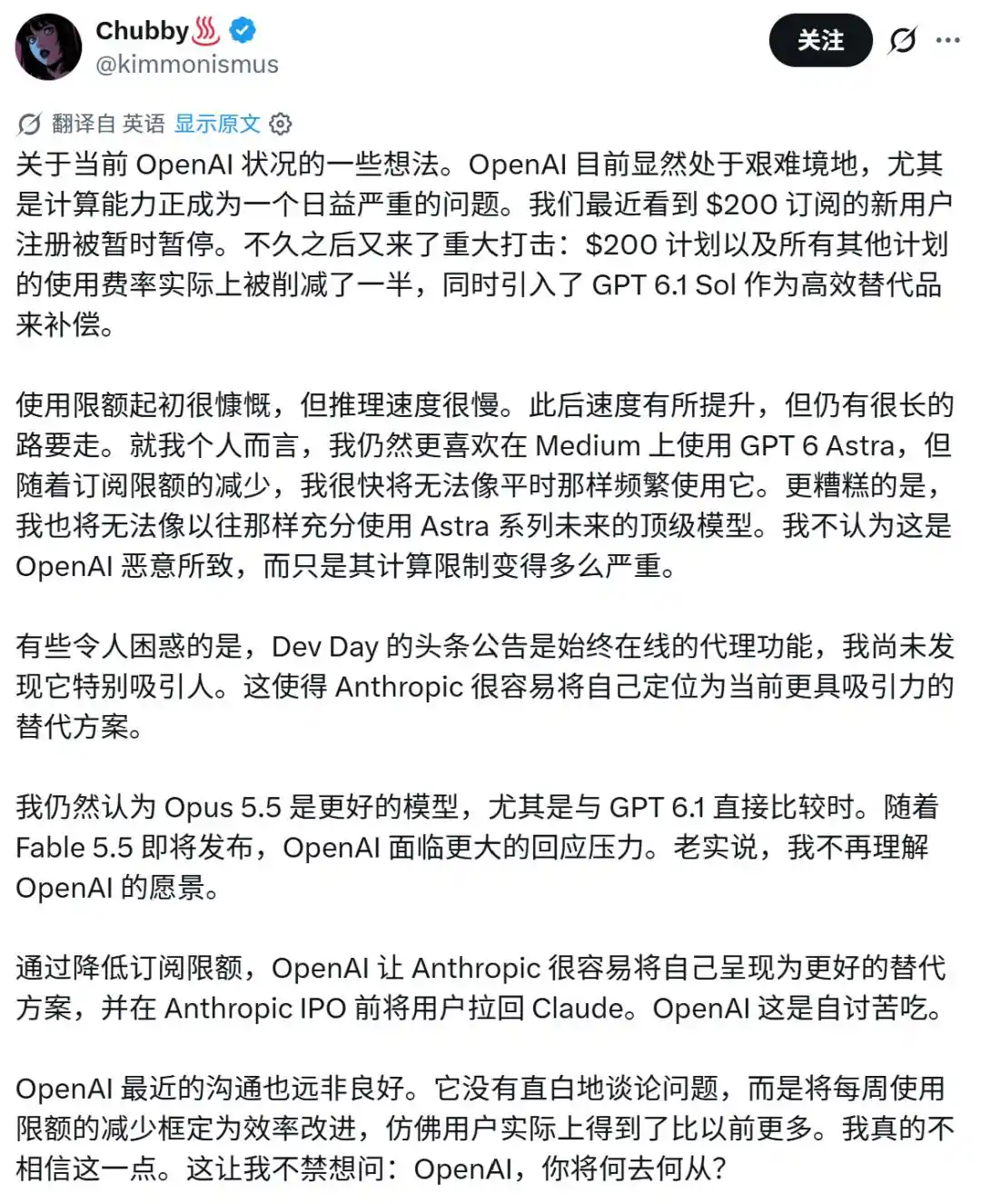
One user said OpenAI had created the impression before DevDay that this would change everything, but after the announcements landed, it felt like "basically useless." The same user said GPT-6.1 Sol, the product they had most wanted to try, ended up disappointing them in real use. On paper, the model looked strong on performance and efficiency. In actual work, though, it still felt slow, and compared with Claude, the normalized experience on a TPS basis was still clearly weaker.
That kind of response has helped push the post-DevDay conversation into something bigger: a trust problem for OpenAI.
The tone sharpened as rivals joined the discussion
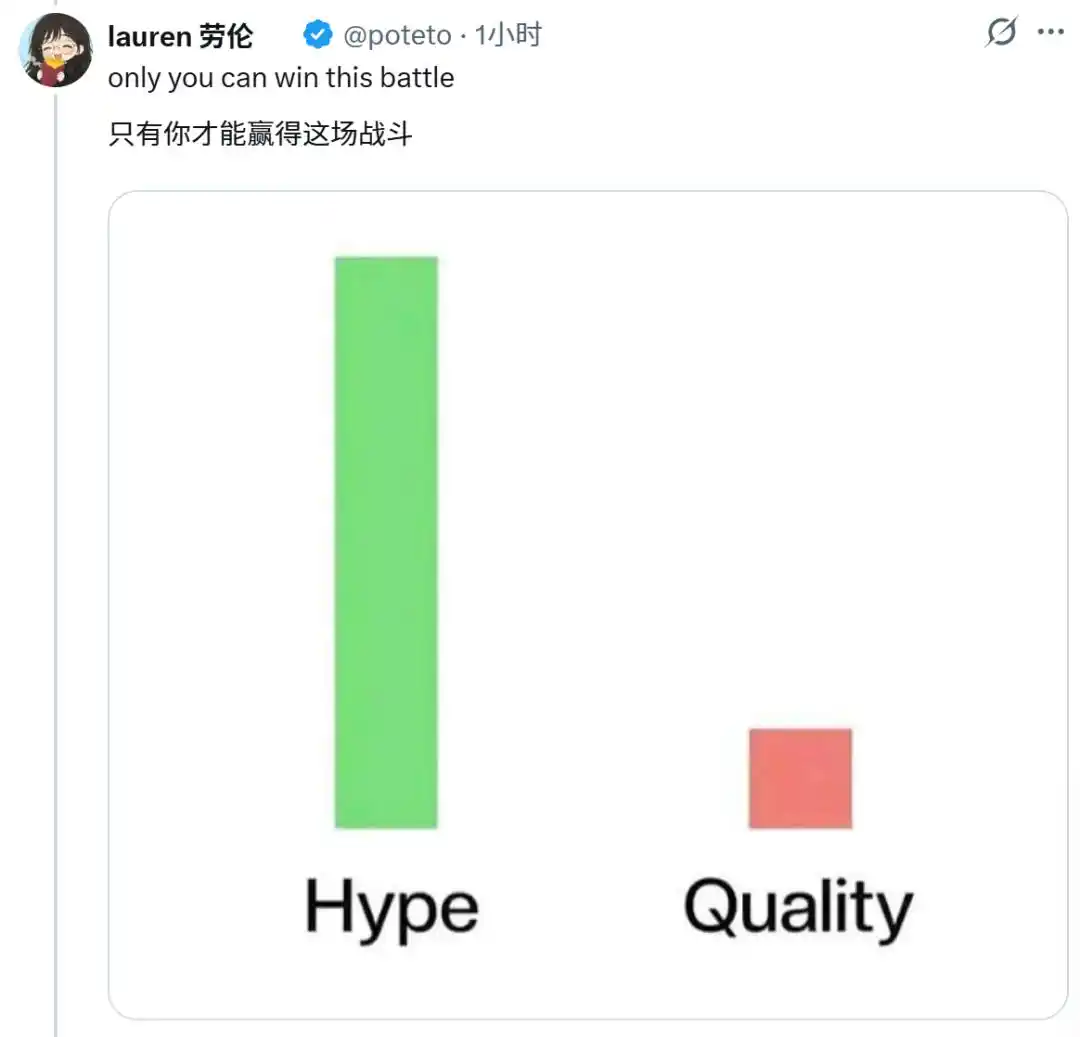
As the argument picked up, Lauren Tan from the SpaceXAI Grok Bot team, known on X as @poteto, posted a barbed message with an image aimed straight at OpenAI.
Tibo answered quickly, and the exchange got sharper fast. But Lauren did not go where he wanted the argument to go. She pointed instead to what she called OpenAI’s recent problem: the hype has been strong, while the quality has not kept pace.
That is not an easy criticism for OpenAI to wave away, because it is not just coming from rivals. Plenty of users aimed the same complaint directly at the DevDay event that had just ended.
Twenty launches were not the issue. Daily utility was.
The problem with this DevDay was not that there were too few announcements. It was the opposite. OpenAI shipped a lot, and much less of it seemed to stick with users.

In the run-up to the event, OpenAI had been building expectations for a while. Tibo had even previewed about 20 new items, which gave people the sense that a refresh across the product line was coming.
Then DevDay arrived. And yes, the company did ship a long list: GPT-6.1 Sol, new Codex / Work capabilities, Dots, and a batch of updates tied to agents, developer tooling, and ChatGPT. If you judge only by volume, it would be hard to argue DevDay came up short on material.
But users were asking a tougher question: how much of this actually changed everyday use?
Along with the disappointment described by Scott, other users were saying much the same thing. And those complaints landed on top of a deeper frustration that had already been building for some time.
Users pushed back on the explanation around tighter limits
Before DevDay, OpenAI had already changed subscriptions and usage limits because of compute pressure. New signups for the $200 plan were temporarily paused at one point. Later, usage caps were tightened again.
At the same time, the company leaned harder into the message that model efficiency had improved and that the same allowance could now do more work.
Many users did not buy it. From their point of view, the price had not fallen, but the usable volume had. DevDay did not fix the main demands of heavy users, and those 20 new features risked shifting from a source of surprise to just one more layer of noise.
Why simplification now matters more
Set against all that, the first item in Tibo’s new four-part agenda stands out: simplifying products.
He said, "Sometimes you really do need to plan ahead, but the feedback has already been very clear: people want everything to become simpler."
For a fast-moving AI company, growing complexity is hard to avoid. But once it passes a certain point, it starts eating away at the product’s value. Users may want stronger models, new agents, and new ways to work. But before any of that, many still want the basics: clarity, stability, and products that match expectations.
Seen that way, putting simplification first makes sense. OpenAI is not short on fresh stories to tell. What it needs, more urgently, is to make good on the stories it has already told.
The image posted by Lauren Tan hit the same nerve. The hype is already sky-high. So over the next 28 days, the real question is simple: will the quality finally catch up?
Reference links
- https://x.com/thsottiaux/status/2106610099720720811
- https://x.com/TokenGremlin/status/2106809323917877536
- https://x.com/kimmonismus/status/2106726110868234553
This article was sourced from the WeChat public account Jiqizhixin (ID: almosthuman2014) and credited to "AI watcher."


