

A game-development prompt centered on Opus 5 has gained traction on X, where developers are using it to push the model through long, repeated production cycles rather than one-off generation. Matt Shumer has given the setup a name: the “challenge loop.”
The structure is straightforward on paper. A main agent breaks the goal into pieces, specialist sub-agents handle the work, and a separate judging agent checks the output against a chosen benchmark. If the visuals fall short of the target, the system sends the task back for another pass.
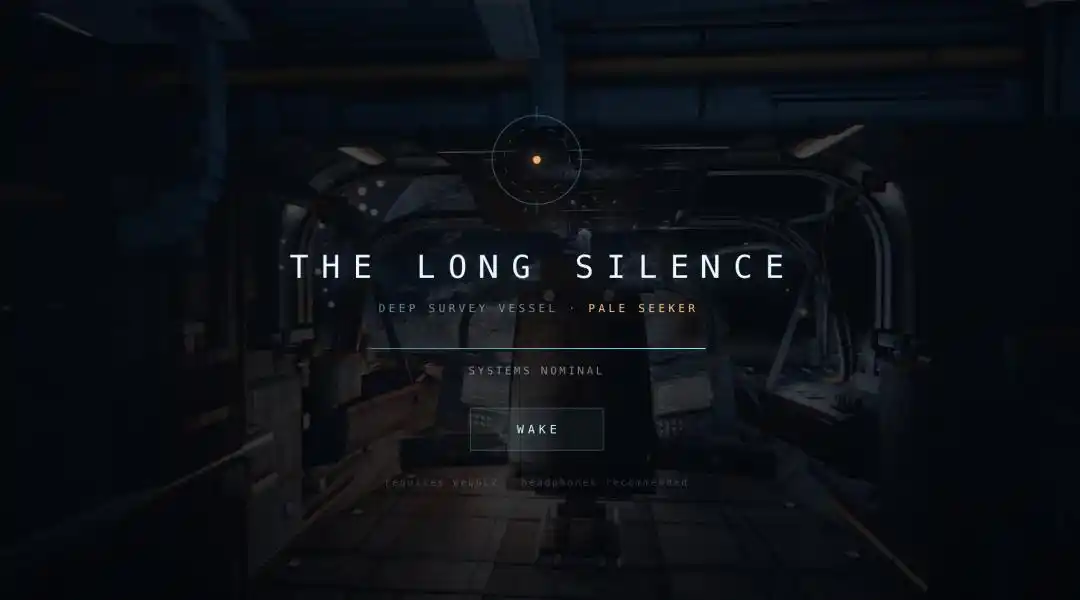
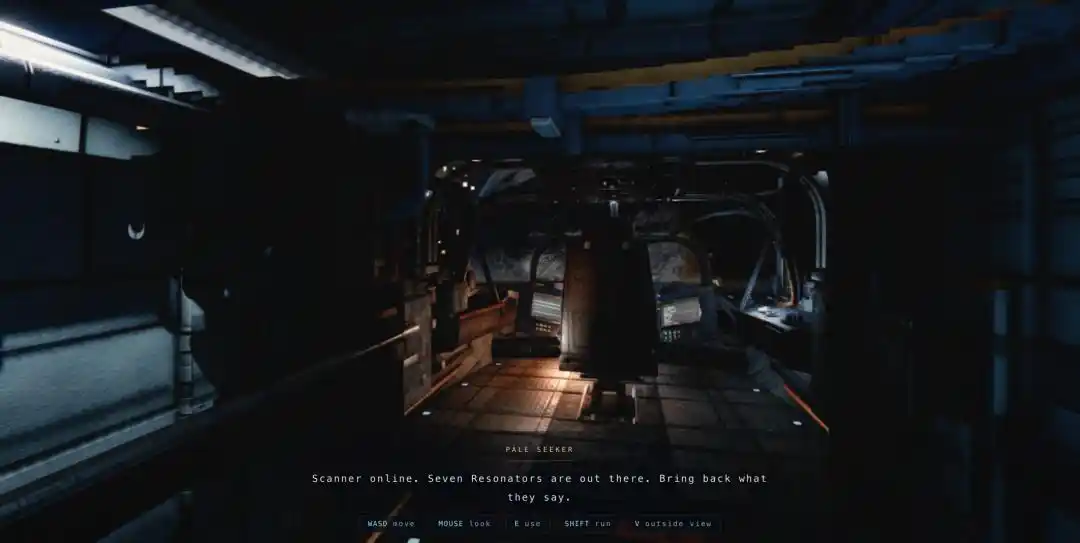
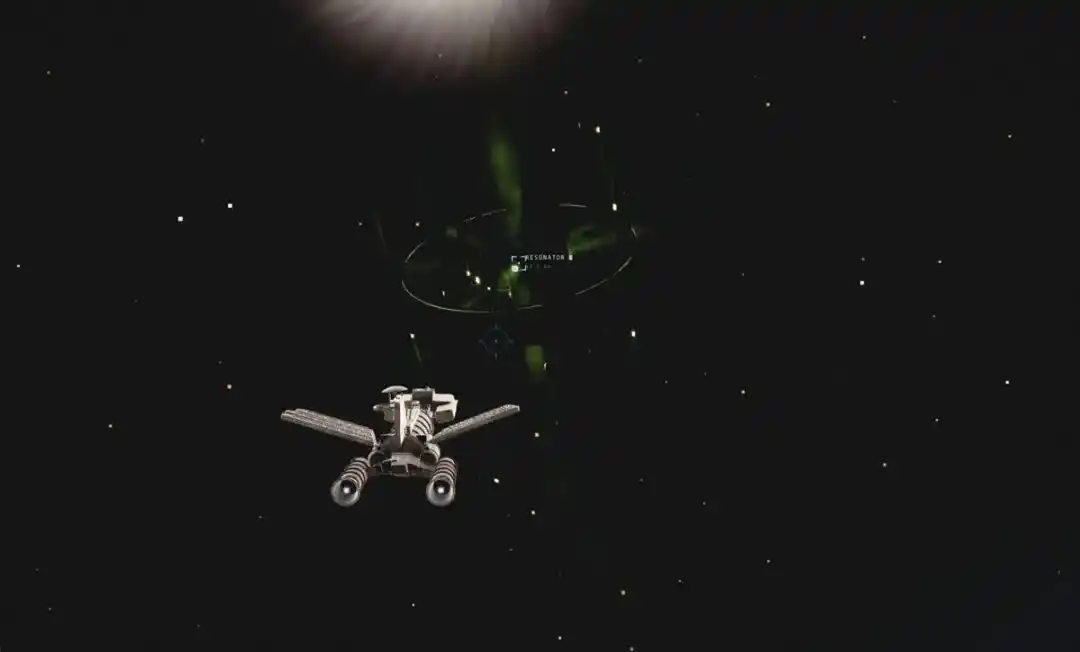
One of the examples that drew the most attention came from X user Anshu, who said he used the method to build a space exploration game called The Long Silence in 24 hours. Shumer, for his part, also posted a Call of Duty-style Opus 5 version. According to the source material, the textures, animation and sound in that project were all AI-generated, and no external assets were used.
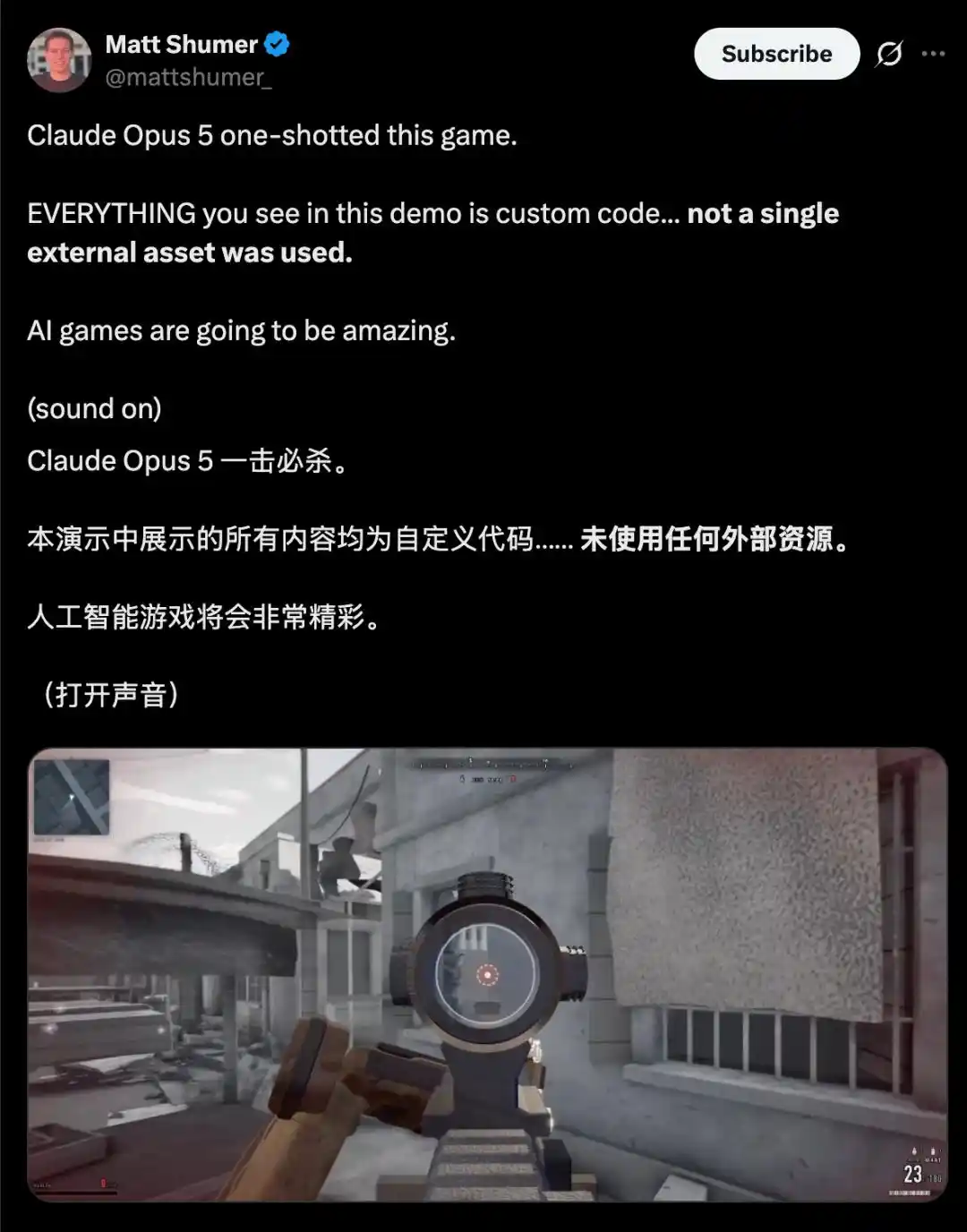
How the “challenge loop” works
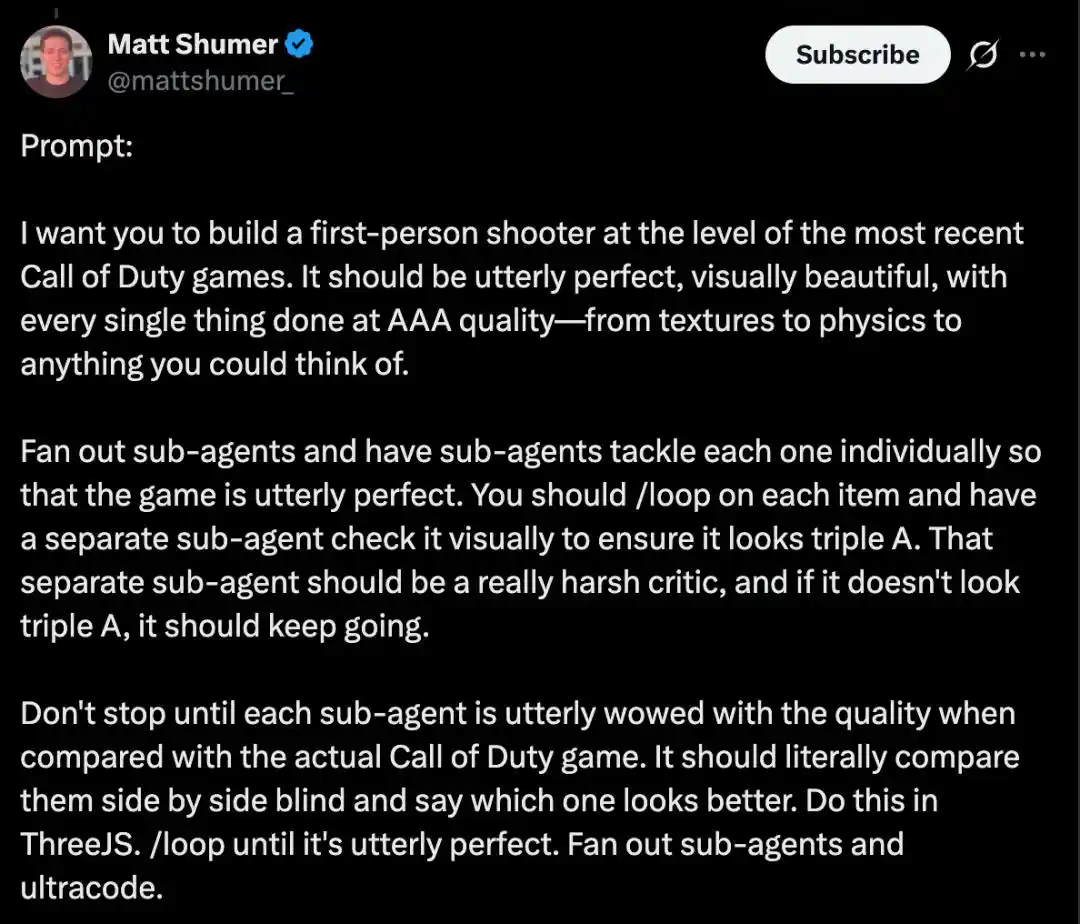
Shumer’s prompt asks the system to build a first-person shooter with visual quality benchmarked against the latest entries in the Call of Duty series. It tells the model to iterate on each part of the game, assign a dedicated sub-agent for visual verification, and use blind side-by-side comparisons to judge which of two outputs looks better.
In practice, the main agent receives the overall objective, splits it into separate tasks, and assigns those tasks to more specialized agents. The key addition is the review layer. A judging agent compares generated work against a real reference title and keeps rejecting it if the result does not meet the chosen standard.
The original article also makes clear that the system cannot actually match a top-tier AAA production end to end. Users are expected to stop the run when needed. In that framing, the prompt functions less as a literal path to a full AAA game and more as a pressure test designed to force Opus 5 into stronger planning and longer iterative loops.
Anshu’s 24-hour workflow
Step 1: Build a playable space game with Three.js
Anshu’s first instruction was for Opus 5 to use Three.js to create a space exploration game. The user only set basic goals: the player should be able to move around, pilot a spaceship, avoid overly artificial-looking visuals, and run as close as possible to 60 frames per second in a browser.
Beyond that, the model was left to decide the world design and technical architecture on its own. For asset production, the source says Claude Code, after installing Blender MCP, would look for tools and handle modeling by itself.
Step 2: Let the system improve visuals for 24 hours
Once the first playable version was ready, Anshu gave Opus 5 a second instruction: spend the next 24 hours improving the visual quality across the board. Multiple sub-agents then worked in parallel to speed things up, while the judging agent compared screenshots from the game against AAA space titles such as Starfield. The evaluation standard, according to the article, was not supposed to be relaxed during the run.
Anshu also said the model responded better when given some encouragement. One example quoted in the source was: “You are capable of reaching this goal — do your best and don’t give up.”
Step 3: Manual cleanup and skill generation
In the final stage, Anshu checked progress from a phone and stepped in when the model spent too much time on certain areas, such as planetary scenes. After stopping the run, he used other Claude models to fix rendering issues, clean up the code and finish deployment.
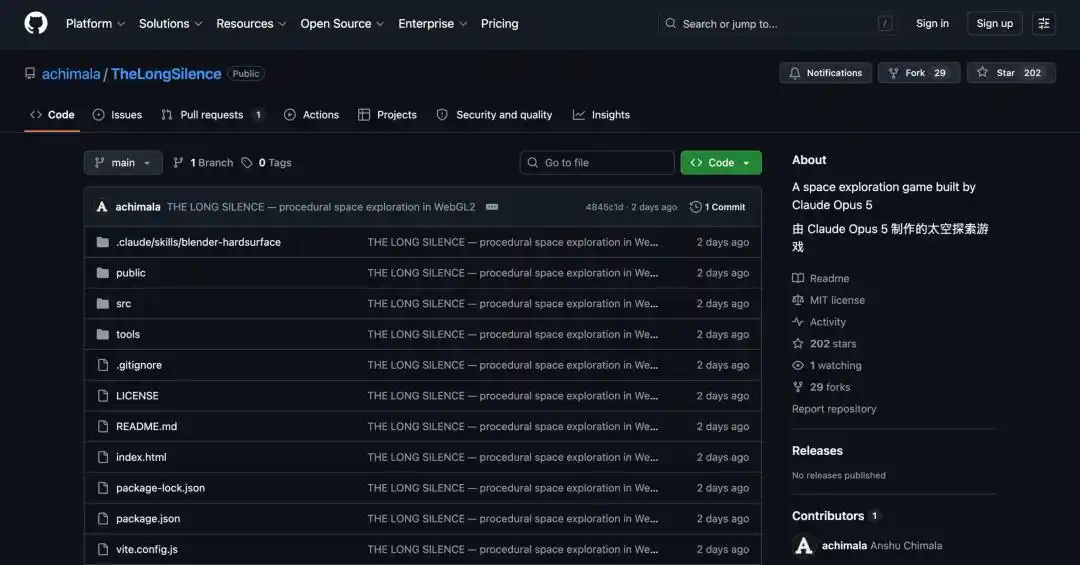
He then asked Opus 5 to package what it had learned into a reusable skill and upload it to GitHub.
According to the open-source repository cited in the article, Opus 5 also created its own review tooling during the process. That toolset included 17 mandatory validation steps. The scripts could automatically capture scenes for comparison, collect frame-rate statistics and analyze exposure data.
The Long Silence is already playable on the web at https://longsilence.anshu.dev/.
Other developers began copying the method
As the prompt spread, more developers started applying the same pattern to different game prototypes. Ryan Campbell used it to iterate on a kart racing game, with Opus 5 making repeated changes to localized rendering, mobile performance, controls and camera behavior. The finished result could also be tested directly in a browser.
Another user, Yogi Suria, used the same setup to build a project called Claudepunk 2077.
The article adds that the instructions were also transferred to GPT-5.6 Sol, where the outcome was described as solid, though still somewhat behind Opus 5. In the source’s telling, the presence of a judging agent amplifies what the model can do, giving different developers a way to produce browser-based game prototypes across genres.
A practical showcase of Opus 5’s stated strengths
The article links the trend back to how Anthropic described Opus 5 at launch: a model better suited to long-running, multi-step work, and more willing to check results, spot mistakes and keep iterating. Seen from that angle, the “challenge loop” is less a new capability than a stricter correction system wrapped around abilities Opus 5 already has.
Shumer, who is credited with popularizing the approach, is described in the source as an AI entrepreneur and investor. In February this year, he drew widespread attention in the tech world with a long essay titled Something Big Is Happening, which the article says surpassed 80 million views. That essay argued that public understanding of frontier model capabilities had fallen well behind what AI practitioners were already experiencing firsthand.
In the article’s framing, the latest Opus 5 game-building wave adds another data point to that claim.
Referenced posts
- https://x.com/anshuc/status/2081801979131818412
- https://x.com/mattshumer_/status/2081830214384886228
- https://x.com/mattshumer_/status/2081054356405731740