
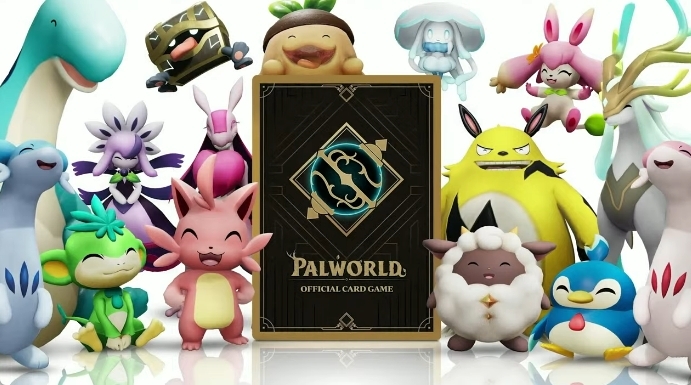
Another hit game is caught in a "Pokémon clone" storm. Japanese indie studio Pocketpair revealed plans to launch a physical trading card game (TCG) for Palworld this summer. The announcement sparked a firestorm on social media, with many players calling it a blatant copy of Pokémon's merchandise playbook. The developer's blunt response only fueled the controversy.
Lead Designer Fires Back: Two Years of Hate, the Problem Is You
Rather than staying quiet, lead designer John "Bucky" Buckley went straight to social media to confront critics. He argued that while attacks right after launch were understandable, it's baffling that people still obsess over the game 24 months later. "There are plenty of other games out there. Why torture yourself? Go play something else," he wrote. The remarks split the community: some praised his backbone, while others warned it would further harm the brand.
Players Slam "Copy-Paste Business Model"
Palworld has faced accusations of copying Pokémon since its debut, with character designs strikingly similar to Nintendo's franchise. In September 2024, Nintendo and The Pokémon Company filed a formal lawsuit against the developer. Pocketpair later removed features like ball-throwing capture and riding-mount gliding, widely seen as a concession to Nintendo's legal team. Now, with a physical TCG on the horizon, players scoffed: "Are they just going to copy Pokémon's entire business empire?" Others questioned why the studio would divert resources to cards when the game is still in early access, risking further delays for a full release.
Official Promise: Full Version This Year, TCG Team Is Separate
Pocketpair responded by emphasizing that a separate team is handling the TCG, so core game development will not be affected. The studio also confirmed that the long-awaited 1.0 full release is still on track for 2026. Palworld's meteoric rise began in early 2024, peaking at 129 million concurrent players on Steam with its blend of creature collecting, survival crafting, and shooting. But fame came at a cost: the Nintendo lawsuit forced multiple gameplay adjustments. Now, expanding product lines while legal battles linger—confidence or gamble? The market will decide.