
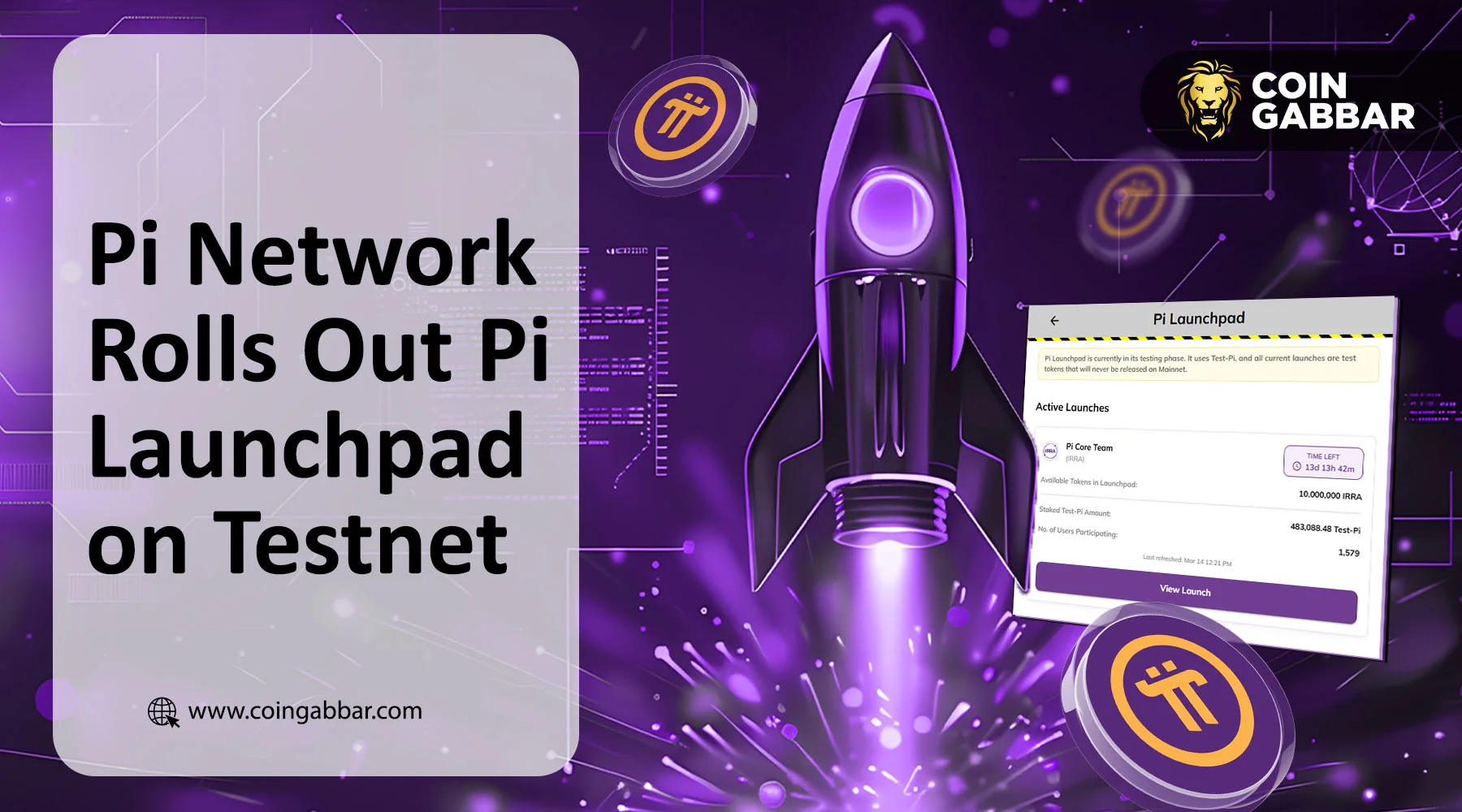
Pi Network has officially launched the Launchpad MVP on its Testnet, a move widely interpreted as another step toward mainnet readiness. Unlike most Web3 launchpads built around fundraising or speculation, Pi’s version enforces a “utility-first” model: projects must build a functioning application before they can apply to issue an ecosystem token.
Testnet First: Dummy Tokens Simulate the Real Flow
According to the team, the current phase involves no real assets. Pioneers use dummy tokens to practice the entire token application, configuration, and issuance process. The test environment is designed to educate millions of users unfamiliar with Web3 launch mechanics without financial risk. The update is part of the broader Pi Day 2026 ecosystem upgrades, which also include network enhancements, node improvements, and ongoing mainnet migrations.
Liquidity Locking: A Rug-Pull Deterrent
A standout feature of Pi Launchpad is its automatic liquidity pool mechanism. During a token launch, all coins contributed by participants are permanently placed into a liquidity pool paired with the newly issued token — rather than being sent directly to developers. This design, based on PiRC Design 1, aims to ensure deep liquidity from day one, discourage insider dumping, and reduce the risk of rug pulls, while also supporting future decentralized trading.
Utility-First: App Before Token
Under Pi’s rules, token issuance is tied to a verified working application. The token must serve a real purpose within that app — such as in-app payments, user rewards, governance, or premium feature access. The team states this policy filters out hype-driven projects and promotes genuine dApp development within the ecosystem.
Community Testing Alongside Mainnet Migration
Parallel to the Launchpad test, Pi Network continues its mainnet migration push. The team confirmed that 17.7 million KYC-verified users are now eligible for the second wave of migration. Node upgrades and smart contract capabilities are also in development. If the Testnet experiment succeeds and the Launchpad reaches mainnet, it could become the primary gateway for developers to deploy apps and tokens, connecting Pi’s massive global user base of over 60 million with real utility-driven dApps.