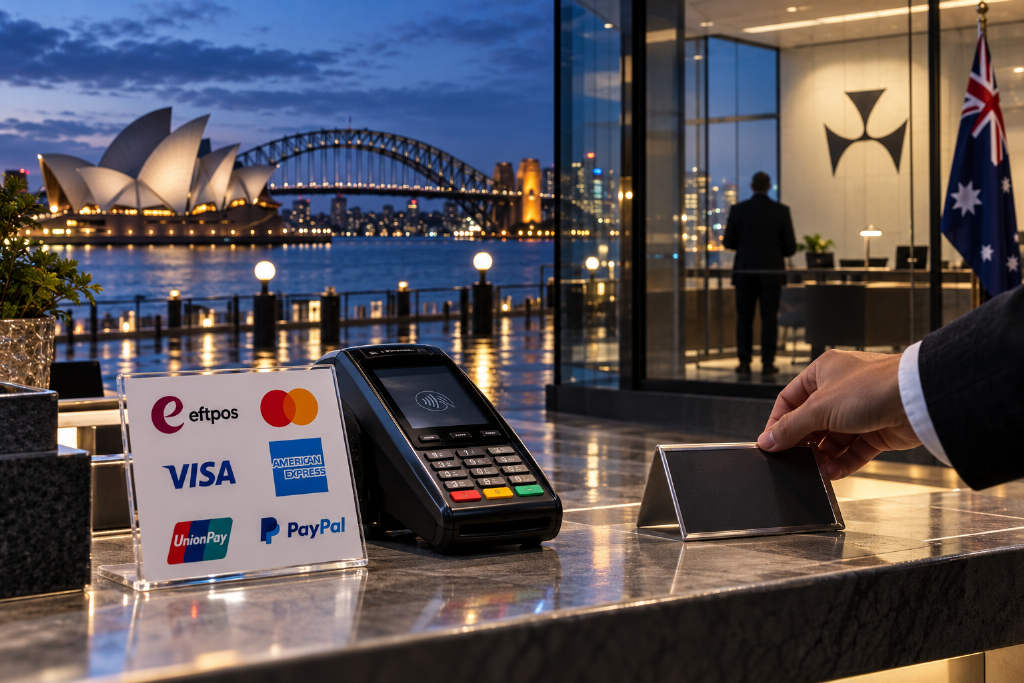
The Reserve Bank of Australia said in an FAQ accompanying its conclusions on retail payments regulation that removing card surcharges on the designated card networks eftpos, Mastercard and Visa from Oct. 1, 2026 is in the public interest.
From that date, the RBA will also remove the prohibition that had prevented those networks from imposing no-surcharge rules. The change is tied to Standard No. 3 of 2016 and the 2026 revisions to the merchant card payment costs and surcharging standard.
Networks covered and timing
eftpos, Mastercard and Visa have each decided to introduce no-surcharge rules from Oct. 1, 2026. The rules will generally apply to their credit, debit and prepaid cards, including cards issued overseas.
American Express, UnionPay and PayPal have also decided to remove surcharges, though they are not currently under formal RBA regulation. American Express and UnionPay will exit their existing undertakings with the RBA on Oct. 1, 2026. PayPal’s no-surcharge rule will take effect on Oct. 5, 2026.
What the change covers
The scope is limited to fees added because a customer pays by card. It does not include weekend surcharges, public holiday surcharges, booking fees or service fees.
Merchants will need to comply with the new card scheme rules unless an exception applies. Businesses, non-profits and business-to-business card payments will not receive a general exemption.
Phased rollout
The RBA said the reform will be implemented in stages.
- From Oct. 1, 2026, lower interchange fee caps will apply to domestic card transactions.
- From Oct. 30, 2026, designated card networks and large acquirers must publish prescribed card payment cost information on their websites.
- From Jan. 30, 2027, large acquirers must disclose how lower interchange fees are passed through to merchant service fees.
- From Apr. 1, 2027, interchange fee caps will apply to transactions involving overseas-issued cards acquired in Australia, and acquirers must provide merchants with more detailed statements.
Pricing flexibility remains
The RBA said businesses can still incorporate the cost of accepting card payments into their overall pricing, and they can also offer discounts for specific payment methods.