
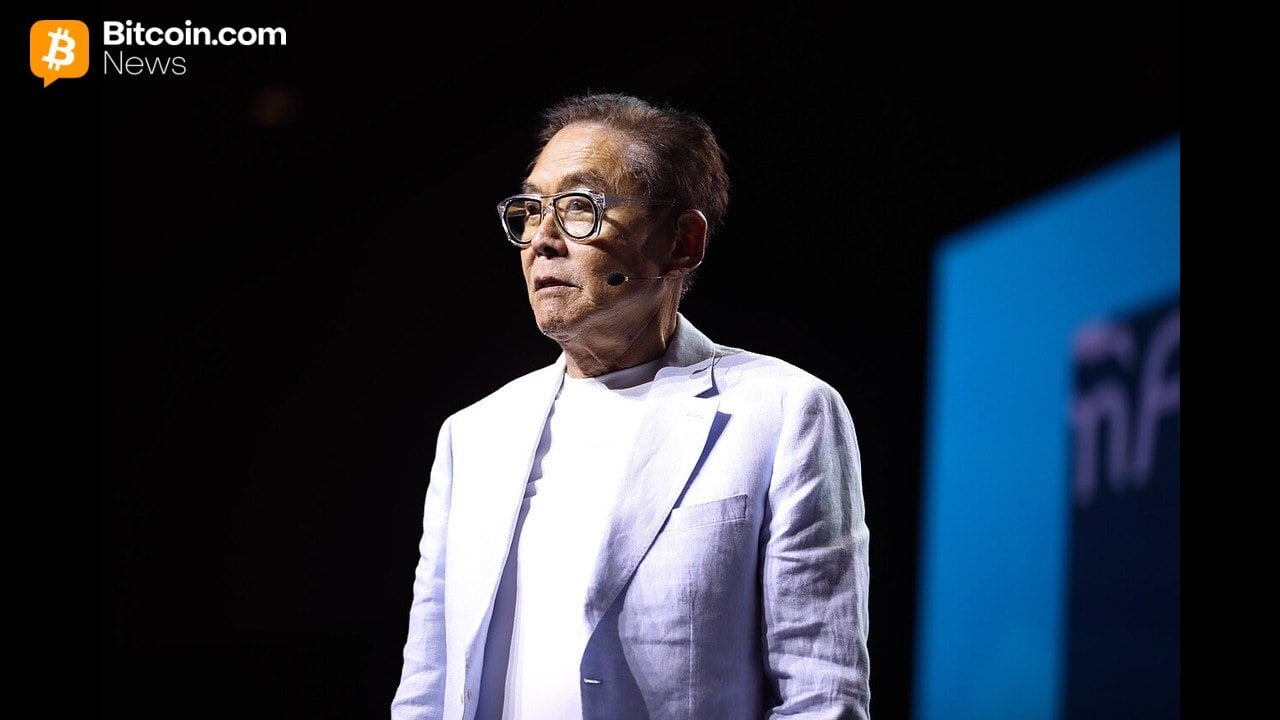
Robert Kiyosaki says silver’s move above $80 per ounce has reinforced his long-held view that the metal ranks among the best investments he has ever made. The Rich Dad Poor Dad author said he started accumulating silver in 1965 at age 18, when it traded for only pennies per ounce, and he still sees that decision as one of the strongest investments of his lifetime.
Kiyosaki made the remarks in a Sunday post on X, revisiting a position he has held for more than six decades. He has long been one of the louder advocates for precious metals in mainstream finance, and his latest comments follow the same core thesis he has repeated for years: fiat money loses purchasing power over time, while scarce assets tend to preserve value across generations.
Silver breakout above $80 keeps his $200 target in focus
The report said silver has now broken above $80 per ounce. Kiyosaki has previously described that level as highly significant, arguing that a breakout beyond it could point to deeper erosion in the U.S. dollar and could signal the early stage of hyperinflation, a risk he has warned about for years.
His longer-term price target for silver remains $200 per ounce. That call sits inside a broader asset framework he has kept largely consistent. Kiyosaki’s list of six “safe” assets for 2026 includes gold, silver, oil, food, bitcoin, and ethereum. In his view, those are the assets that offer real protection during sustained dollar debasement.
Bitcoin and silver are framed as complementary hedges
Bitcoin also features heavily in his recent market commentary. According to the report, Kiyosaki has disclosed buying BTC near $67,000, and he has previously set a 2026 bitcoin target of $250,000 per coin. He presents bitcoin and silver as complementary hedges rather than competing trades, tying both to the same concern about weakening monetary systems.
That line of thinking matches his long-standing distrust of fiat currencies. By his account, the logic behind buying silver in 1965 is the same logic that later led him to bitcoin: government-issued money loses purchasing power over time, while hard and scarce assets retain value over long periods.
Long-term returns still show a different benchmark
The article also notes a clear counterpoint. Over a similar 61-year span, the S&P 500, assuming dividends were reinvested, returned roughly 400x. That is well ahead of silver’s approximate 63x price gain. The comparison suggests that Kiyosaki’s conviction around silver is tied more to his monetary outlook than to a simple ranking of historical returns.
Even so, for investors who share that macro view, a silver position held for more than 60 years stands as a notable case study. In his latest post, Kiyosaki asked followers what they see happening next and what they believe remains investable. The report did not say whether he has changed the size of his current allocations.