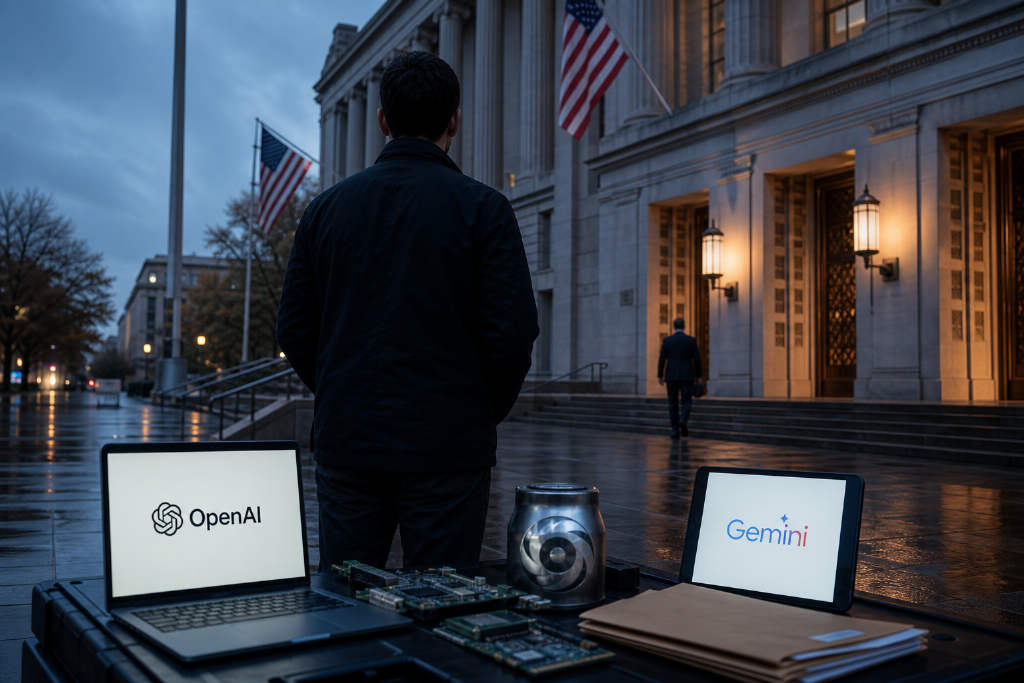
Roman Storm, a founder of Tornado Cash, argued that if the U.S. Department of Justice’s theory in his case is accepted, major technology companies such as Google and OpenAI should also bear responsibility when their products are misused by North Korean hackers. Storm pointed to claims that individuals involved had used ChatGPT to write code and Google Gemini for forgery and image editing. He said that outcome would push liability beyond criminal actors and toward the developers of general-purpose tools.
Storm was convicted in August 2025 on charges of conspiracy to operate an unlicensed money-transmitting business. He warned that the Tornado Cash case could create a legal precedent under which software developers are punished for crimes committed by users of their software. In his view, enforcement should target the offenders themselves rather than the creators of the tools.
The report also noted that the Digital Asset Market Clarity Act, or CLARITY Act, is intended to provide protections for software developers by separating developer liability from the possibility that a protocol may be used for illegal activity. Even so, while a motion for final consideration of the bill has been scheduled for a vote, the chances of passage are still seen as low.
Roman Storm, a founder of Tornado Cash, said that if the U.S. Department of Justice’s logic in his case stands, Google and OpenAI should also be held responsible when North Korean hackers misuse their products.
He said the individuals involved had used ChatGPT to write code and Google Gemini for forgery and image editing.
Storm warns of a broader precedent for software developers
Storm was convicted in August 2025 of conspiracy to operate an unlicensed money-transmitting business. He said the Tornado Cash case could create a legal precedent in which software developers are punished for criminal acts carried out by users. He argued that law enforcement should pursue the criminals, not the developers of the tools.
CLARITY Act aims to separate developer liability from illegal use
According to the report, the Digital Asset Market Clarity Act, or CLARITY Act, would provide protections for software developers by distinguishing developer liability from the possibility that a protocol may be used for illegal activity. Still, although a motion for final consideration has been scheduled for a vote, the bill’s chances of passing remain low.
The report cited Bitcoin News.
This article was originally published by Bit.Fan. For more cryptocurrency news and market insights, visit www.bit.fan. Disclaimer:
The market information, project data, and third-party content displayed on this platform are for industry information sharing only and do not constitute any form of investment advice or return commitment.
Cryptocurrency trading carries high risks. Users should fully assess their risk tolerance and make independent decisions. All profits, losses, and legal responsibilities are borne by the users themselves.