
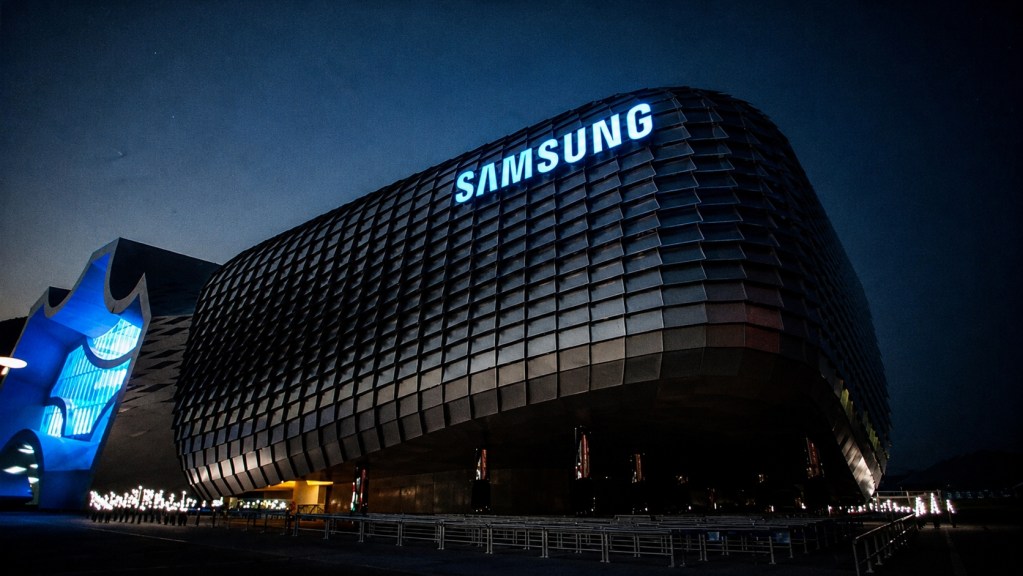
Samsung Electronics denied on July 15 that it is reviewing a U.S. listing through American depositary receipts, even as multiple reports said the company has already begun early internal work on the idea and has asked SK Hynix about the listing process.
Bloomberg reported preliminary talks with banks
Bloomberg reported on July 14 that Samsung Electronics had begun preliminary discussions with several investment banks about a possible U.S. listing via ADRs. The report said the lead underwriter and issuance structure had not been decided, and that the plan could still fail to move forward.
Samsung responded on July 15 by saying it was "not reviewing a U.S. listing through the issuance of ADRs."
Industry sources say internal teams had already been tasked
Despite the company’s public denial, people in South Korea’s semiconductor industry said Samsung management had, before the Bloomberg report, instructed its finance and investor relations teams to study possible ADR structures. Those teams were also said to be mapping out the business processes and preparation steps that would be required if the company were to proceed with a listing.
At this stage, the work remains a pre-study. Samsung has not set a listing policy, an issuance schedule, or a specific deal size.
Samsung reportedly asked SK Hynix about practical steps
South Korean outlet Bloter reported that Samsung personnel did more than organize internal procedures. The company also directly asked SK Hynix for information related to ADR issuance. As one of the most recent South Korean companies to complete an ADR sale and list on Nasdaq, SK Hynix has become a reference point for the preparation process and execution details.
Industry sources said ADRs can take several forms depending on whether new shares are issued and how the listing is structured. Samsung is said to be reviewing which structure would best fit its needs.
Market watchers point to SK Hynix’s earlier denials
Some in the industry see Samsung’s statement through the lens of SK Hynix’s own path. According to the report, when rumors of a U.S. listing first circulated around SK Hynix, the company also answered that there was "no concrete decision at this time." It only gradually disclosed the plan after internal approval had been completed and a formal filing had been made with the U.S. Securities and Exchange Commission.
Overseas listings and large securities offerings involve underwriter appointments, regulatory filings, and disclosure requirements. Because of that, companies often do not confirm such plans before decisions are finalized. Based on SK Hynix’s earlier sequence, industry observers said Samsung’s denial does not fully rule out a later issuance.
SK Hynix’s ADR debut remains central to the discussion
Interest in Samsung’s possible ADR path is closely tied to SK Hynix’s recent success in the U.S. market. SK Hynix completed its ADR sale on July 10 at $149 per ADR and raised about $26.5 billion, making it one of the largest U.S. listings ever by a non-U.S. company.
Since listing, SK Hynix ADRs were reported to have risen 30.2% over three trading days, while the premium versus the company’s common shares in Seoul climbed to 51%.
The report said that premium was largely driven by South Korean rules limiting the amount of common stock that can be converted into depositary receipts. That created a structural supply shortage in the U.S. market. After options trading in the ADR opened, derivatives demand also flowed in and added to the pricing pressure.
For the industry, SK Hynix’s transaction has shown the fundraising efficiency available to a leading South Korean chipmaker listing in the U.S., along with the depth of international investor demand. That is why it is being treated as Samsung’s most direct reference case.