
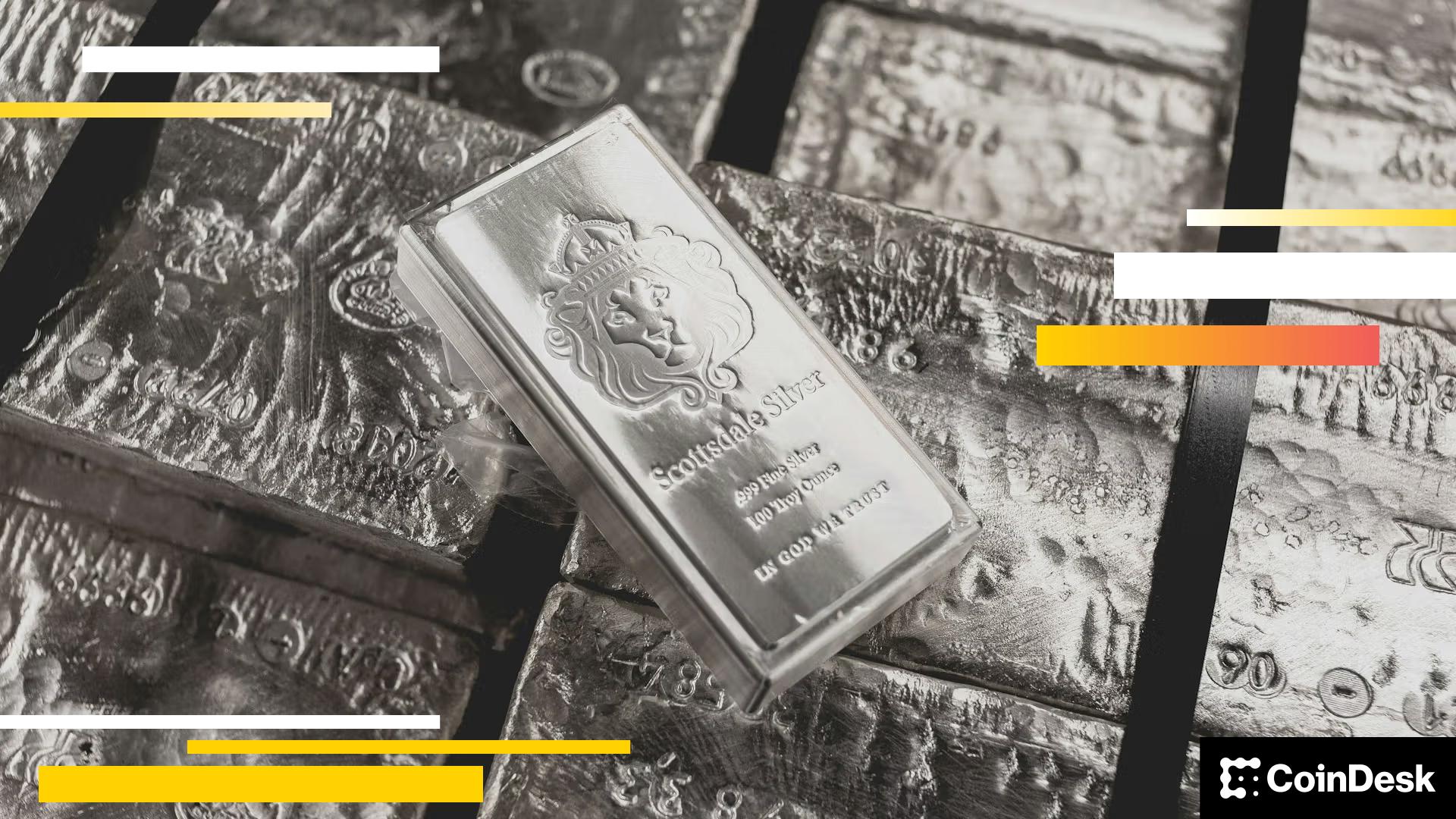
Silver fell as much as 17% over the past 24 hours, wiping out a two-day rebound and extending the sharp selloff that followed last week’s historic rout. Gold and copper moved lower as well. Traders cited thin liquidity and crowded speculative positioning as factors that amplified the decline, with the metal still struggling to find a floor.
Hyperliquid shows a large liquidation in tokenized silver
The move spilled into crypto-linked markets. Trade data shared by market participants showed one of the larger liquidation prints tied to tokenized silver on Hyperliquid: a forced close of roughly $17.75 million in XYZ:SILVER. Of that amount, about $16.82 million came from long positions. The pattern matches recent trading behavior, where rebound bets build quickly and are then flushed out when volatility returns.
Burry’s “collateral death spiral” thesis comes back into focus
That kind of cross-market stress is what hedge fund manager Michael Burry warned about earlier this week. He described a “collateral death spiral” in which leverage builds during a metals rally, then falling crypto collateral forces traders to sell tokenized metals to meet margin requirements. Burry also said bitcoin losses could push institutions to liquidate metals positions that were still profitable.
Under those conditions, liquidation tables can briefly look upside down, with metals-linked products causing more damage than bitcoin itself. Macro headlines have added another layer of uncertainty. Markets are still pricing the policy implications of Kevin Warsh’s nomination as Federal Reserve chair, while President Donald Trump has pushed back against the idea that the Fed could become more hawkish.
Positioning and forced selling are driving the tape
Rate expectations still matter for precious metals, but the report says the bigger force right now is positioning and forced selling rather than the cleaner macro-driven bid seen last month. For silver, gold, copper, and tokenized metals trading on crypto rails, short-term volatility remains elevated and liquidation pressure is exposing how fragile leveraged positions have become.