
This article was originally published by Bit.Fan. For more cryptocurrency news and market insights, visit www.bit.fan.
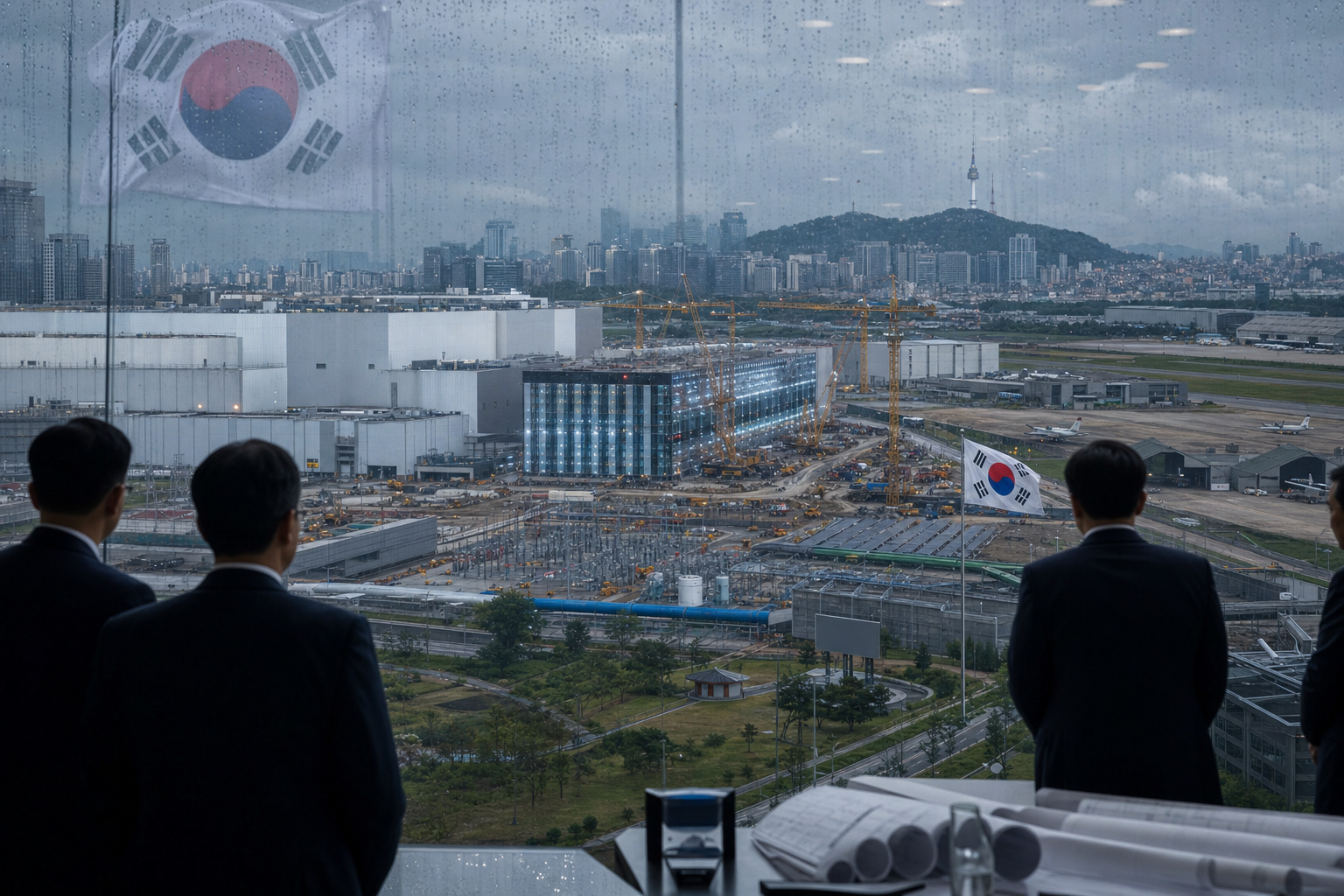
South Korea Plans Super Special Zone Act to Boost Semiconductors, Physical AI, AI Data Centers
N
News EditorAccording to BlockBeats, the South Korean government said on August 10 that it plans to enact a Super Special Zone Act by the end of this year. The law is designed to support three national strategic projects: semiconductors, physical AI, and AI data centers. Presidential chief of staff Kang Hoon-sik said it would shorten project approval and environmental impact assessment procedures, and accelerate development of supporting infrastructure covering electricity, water, transportation, housing and education. The government wants to complete relocation and temporary adjustment of military facilities by the second half of 2028, allowing military airport land to be used for semiconductor industrial parks. In addition to the 8.3 million square meters that have been proposed for a national industrial park, authorities will consider expanding surrounding development depending on corporate needs. South Korea also plans measures for recycled water use, water supply from nearby dams, and power security to meet the needs of large semiconductor clusters. For the relocation of US facilities at Gwangju military airport, Seoul plans to consult with the US, and the US has reportedly given a positive response.
South Korea plans to introduce a Super Special Zone Act by the end of this year, offering policy support for semiconductors, physical AI and AI data centers — the country's three national strategic projects.
Presidential chief of staff Kang Hoon-sik said the new law would streamline project approval and environmental impact assessment, and accelerate construction of supporting infrastructure such as electricity, water, transportation, housing and education. The goal, he said, is to strengthen South Korea's global competitiveness in AI and semiconductors.
One key element is the earlier release of military airport land. The government aims to complete relocation of military facilities and temporary adjustments by the second half of 2028, so the land can be turned over for a semiconductor industrial complex. Along with the 8.3 million square meters that has been proposed as a national industrial park, authorities say they will consider expanding development into surrounding areas based on corporate demand.
To support a large semiconductor manufacturing cluster, South Korea is also drawing up plans for recycled water use, water supply from nearby dams, and power security.
For US facilities inside Gwangju military airport, Seoul plans to hold consultations with the US side, which has reportedly already responded positively.
18500
Disclaimer:
The market information, project data, and third-party content displayed on this platform are for industry information sharing only and do not constitute any form of investment advice or return commitment.
Cryptocurrency trading carries high risks. Users should fully assess their risk tolerance and make independent decisions. All profits, losses, and legal responsibilities are borne by the users themselves.