
On June 12, 2026, SpaceX officially listed on the Nasdaq under the ticker SPCX, opening at $135 and closing at $160.95—a 19.2% surge. The IPO catapulted SpaceX's market capitalization above $2.1 trillion, setting a record for the largest single IPO in commercial history. Musk himself became the world's first trillionaire with a personal net worth exceeding $1.1 trillion.
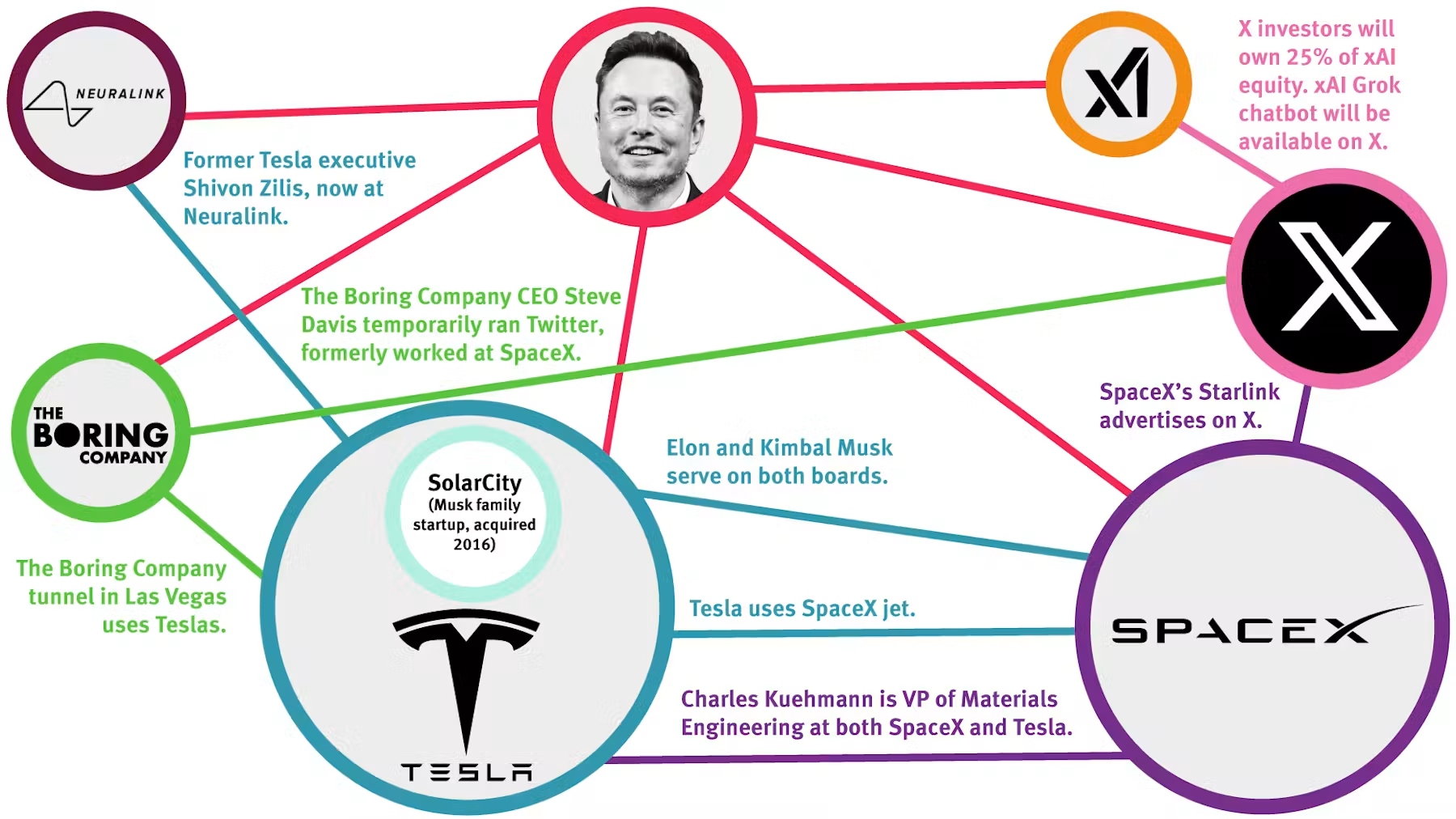
This capital event, however, is only one piece of a larger puzzle. Over a longer timeframe, SpaceX's listing is a natural step in Musk's comprehensive industrial layout: Tesla's intelligent manufacturing, xAI's artificial intelligence, Starlink's global network, and Neuralink's frontier technology all feed into each other, gradually forming a self-operating business closed loop. Global tech competition has moved beyond single products or isolated technologies toward an ecosystem war covering computing power, energy, manufacturing, data, and physical execution. Breaking down industry silos and building a closed-loop ecosystem is key to gaining the core voice in the next generation of intelligent industries.
Musk has pursued a series of bold initiatives: reusable rockets, global satellite internet, humanoid robots, brain-computer interfaces, and orbital computing. Though seemingly scattered, these projects are tightly interconnected, serving a complete technology system spanning AI, communications, space transport, smart manufacturing, and human-machine interaction.
xAI: Intelligence Brain and Orbital Computing
In February 2026, SpaceX fully acquired xAI—then valued at $250 billion—integrating AI with its space technology and Starlink satellite network. While some viewed the move as financial packaging before the IPO, the strategic rationale is deeper. xAI controls large models, supercomputing clusters, and AI infrastructure, serving as the intelligence and computing hub for Musk's entire system. Its Grok chatbot is just the public face; the real value lies in providing models, computing power, and decision-making for rockets, robots, manufacturing, and future orbital facilities.
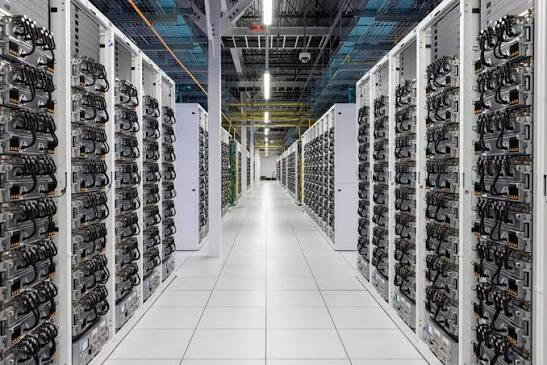
xAI's Colossus GPU cluster, with 200,000 H100 GPUs, was built in just 122 days initially and doubled in 92 days, creating a record pace. Yet ground-based AI computing faces physical bottlenecks: power demands double annually, with hardware costs around $7 billion and 300 MW power consumption. To break these limits, Musk pivoted to orbital computing—deploying computing clusters in low Earth orbit to harness unlimited solar energy and natural cooling. Reuters reports SpaceX plans orbital AI computing demonstrations as early as late 2027, with approval to launch up to 1 million satellite data centers.
In March 2025, xAI acquired social platform X to tap into daily human behavior data, complementing its physical simulation data. This gives Musk's system a unique advantage: real-time, authentic, and multidimensional data that static, lagging datasets from competitors cannot match.
Starlink and Starship: Information and Physical Transport
Starlink, SpaceX's low-Earth orbit satellite internet system, now serves over 10.3 million global subscribers with about 9,600 satellites in orbit. It generated roughly 60% of SpaceX's $18.67 billion revenue in 2025, becoming the group's core cash flow source. Beyond ordinary broadband, Starlink's laser-linked satellite network enables low-latency global communication, including cross-continent paths that bypass undersea cable limitations. It is essential for future orbital computing centers to interact with ground systems in real time.
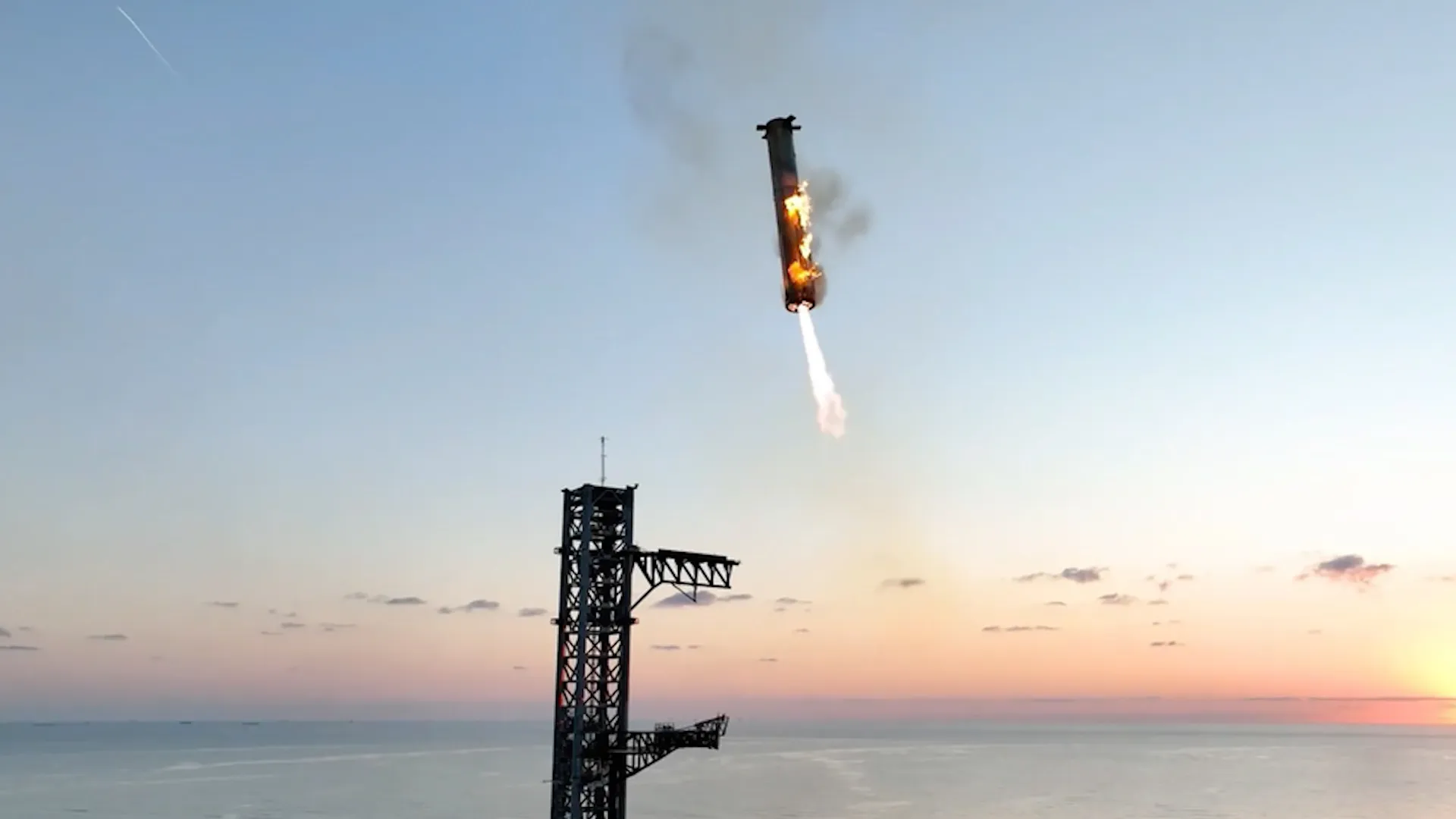
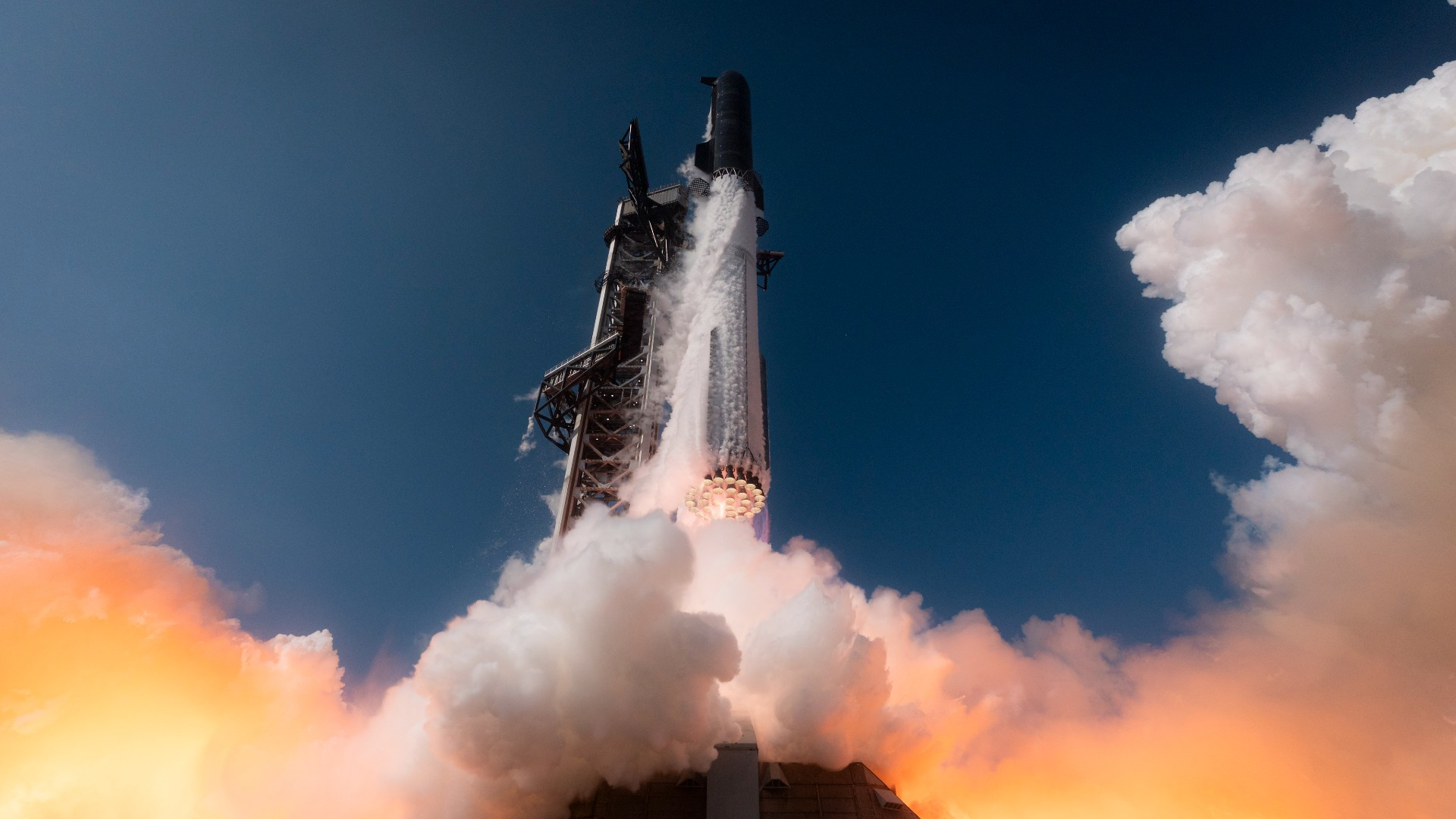
Starship, the next-generation heavy-lift rocket, is still in testing. Its "chopsticks" catch technique—where the booster autonomously returns to the launch tower and is caught by giant mechanical arms—enables rapid reuse. Musk projects single-launch costs could fall below $10 million, eventually approaching $2 million. That compares to Falcon 9's $74 million and NASA's SLS at $2–4 billion per mission. Starship can deliver over 100 tons to low Earth orbit, enabling large-scale deployment of orbital computing nodes, Starlink satellites, and space logistics.
Tesla and Optimus: Manufacturing and Physical Execution
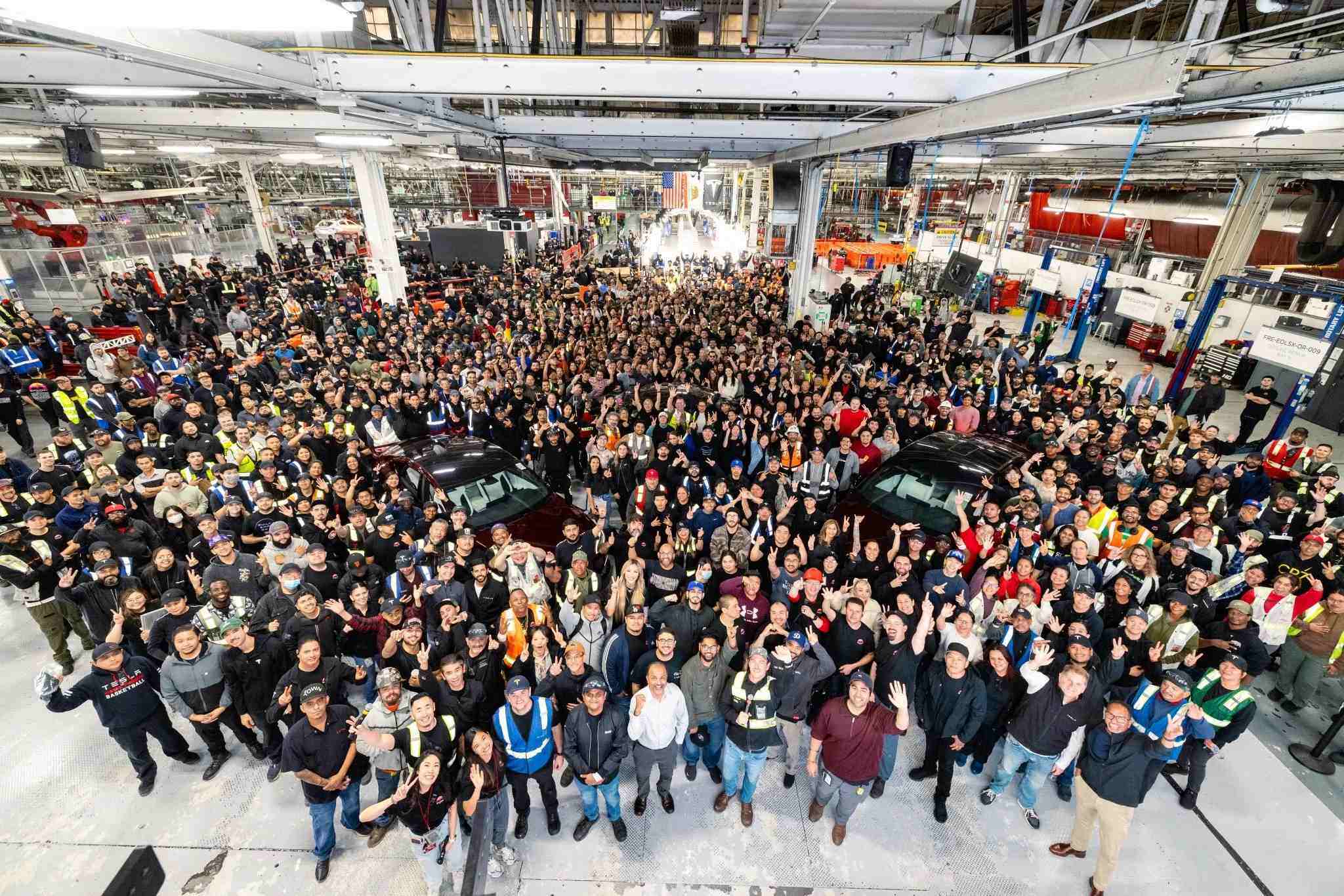
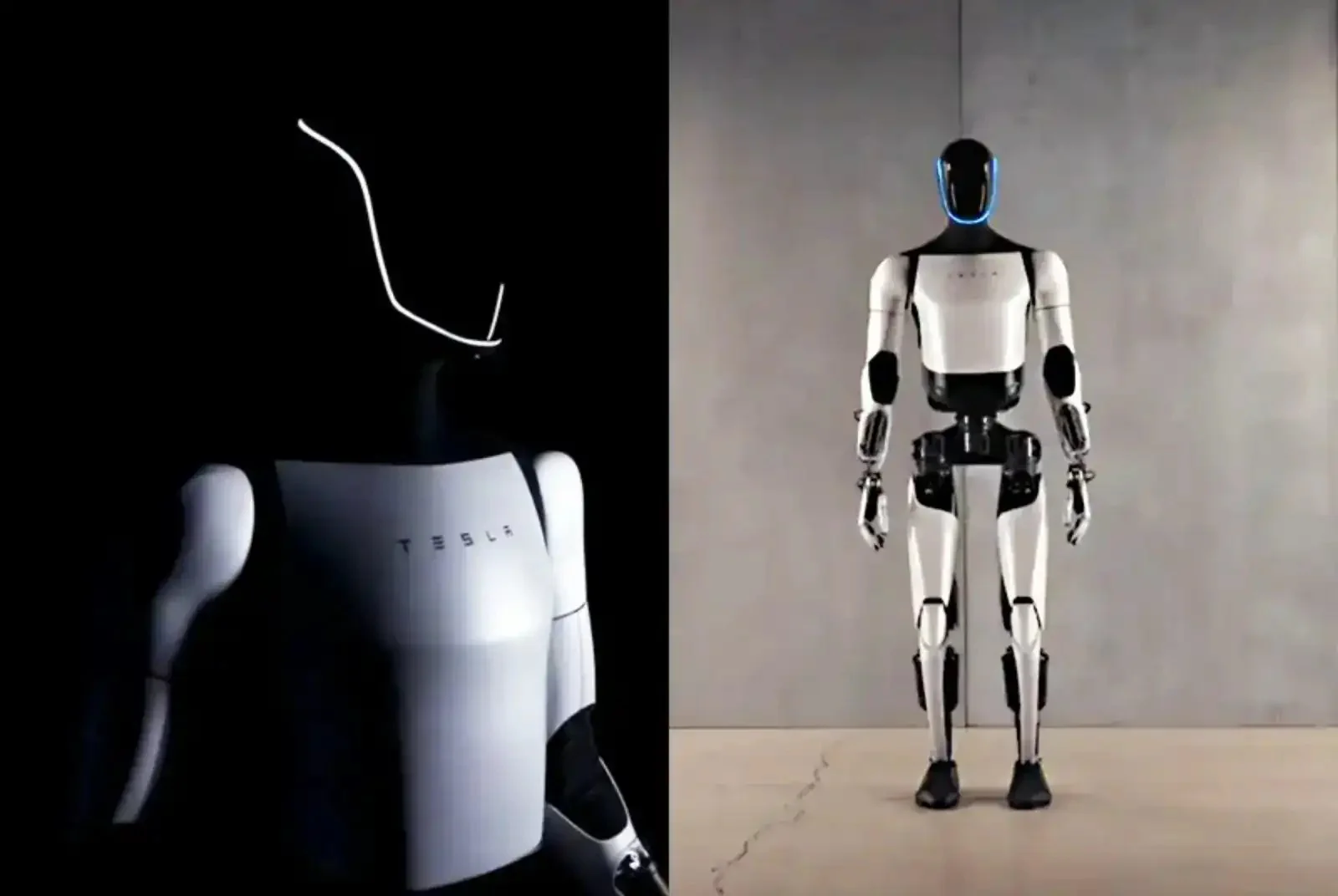
In January 2026, Tesla permanently discontinued Model S and Model X to free up capacity at its Fremont factory for full-scale production of Optimus humanoid robots. As Axios reported, the shift signals Tesla's transition from an electric vehicle company to a "physical AI" company. Optimus is designed as an industrial worker for assembly, precision manufacturing, hazardous maintenance, and even space base operations. Its operational data flows back to xAI to improve models and hardware, creating a self-reinforcing loop of physical production, data collection, and AI iteration.
Neuralink and X: Human-Machine Interface and Social Data
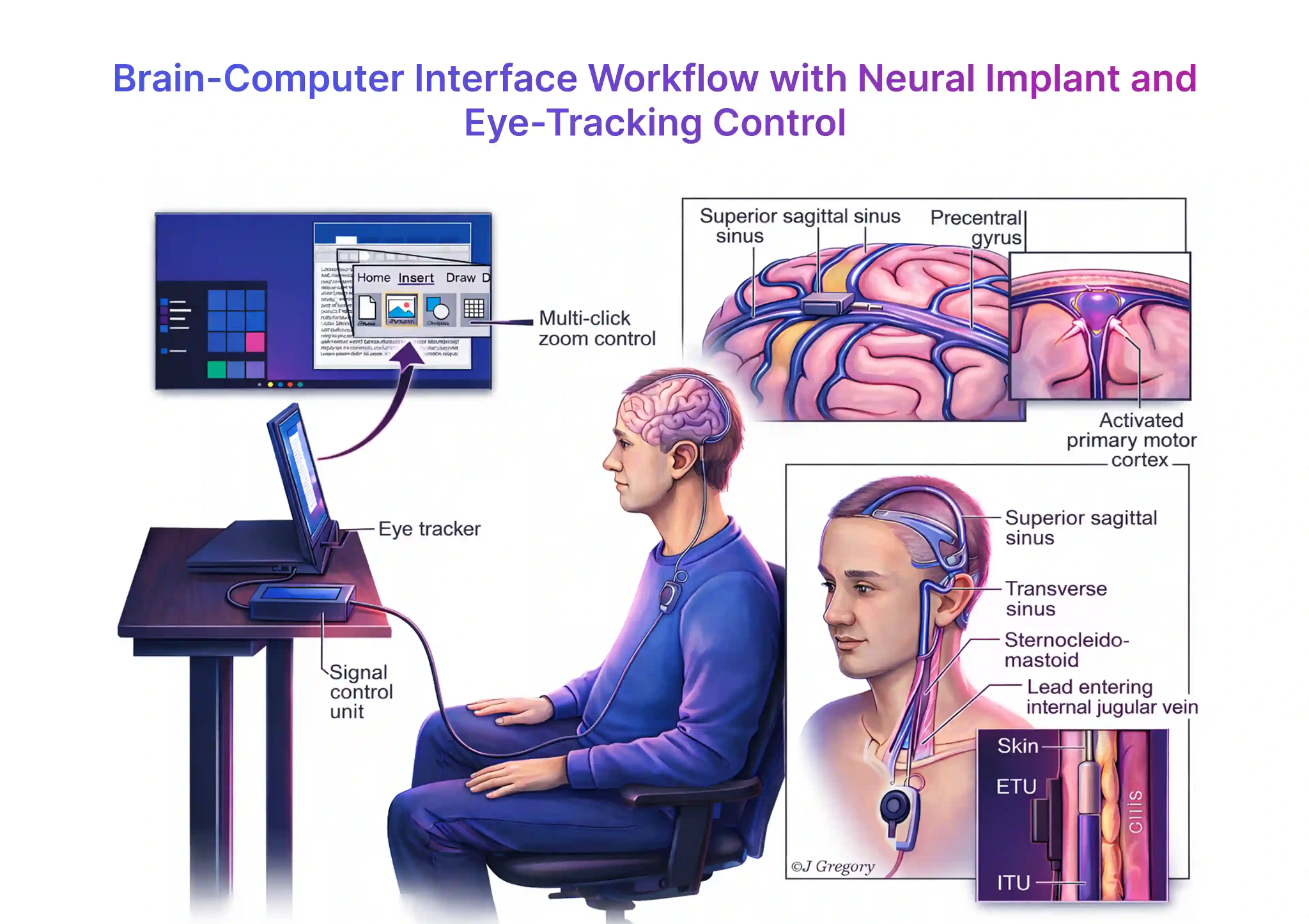
Neuralink, Musk's brain-computer interface company, has implanted its N1 chip in patients through the PRIME Study. By January 2026, seven patients at UCLH were using the device to control computers and equipment with thought. The long-term vision is to break the bandwidth bottleneck of human-machine interaction, enabling seamless intent input and fast feedback. Meanwhile, X provides macroscopic social data—behavior, preferences, and societal dynamics—while Neuralink focuses on microscopic neural signals. Together, they bridge human intention and machine execution, though this segment remains the least mature and is a key puzzle piece for Musk's closed loop.
Three Flywheels: Cost Reduction, Iteration Speed, and Synergy
Musk's ecosystem operates on three reinforcing flywheels. First, manufacturing efficiency (Tesla) lowers hardware costs; cheaper launch costs (Starship) expand space deployment; deployment scale generates more orders and operational data to further improve designs. SpaceX-Falcon 9 boosters have been reused 21 times, proving the cycle works between Falcon 9 and Starlink. Second, xAI's virtual simulation tests rocket burns, robot movements, and material losses, reducing costly physical trials; real-world data from rockets, satellites, and robots then refines the models. Third, energy, computing, and network synergies: Tesla sold $430 million in Megapack storage to xAI in 2025, linking data center power demand to Tesla's energy business, while Starlink and Starship provide the communication and transport backbone.
These flywheels ultimately drive two outcomes: declining costs and accelerating iteration. Larger manufacturing scales amortize hardware; higher launch frequency lowers orbital access; continuous real-data feedback speeds up model and hardware optimization. This system also has external output potential—SpaceX launch, Starlink connectivity, Tesla energy, and xAI computing can be sold as infrastructure services to governments, enterprises, and other tech firms.
Risks and Governance Challenges
Despite the synergies, risks remain. Starship's reuse and Starship's orbital computing still face engineering hurdles: heat dissipation, cosmic radiation, device lifespan, and maintenance. If any block fails to deliver, the flywheels may stall. Additionally, Musk's companies are separate legal entities—Tesla, SpaceX, xAI, Neuralink—each with different shareholders and valuations. Intra-group transactions (like Tesla selling Megapack to xAI) raise fairness and minority shareholder interest concerns. The tighter the tech closed loop, the harder these governance issues become. Cross-border data flows also face regulatory barriers: medical, financial, and industrial data are subject to localization and privacy rules; Starlink requires national communications licenses; orbital computing may trigger new data sovereignty issues.
Ultimately, SpaceX's extraordinary valuation stems from its role as the central infrastructure node in Musk's ecosystem. Rocket launch capacity determines space transport; Starlink provides global communications; future orbital computing, satellite deployment, and space commerce all depend on SpaceX's transport, communication, and in-orbit infrastructure. The market's pricing of SpaceX incorporates expectations for launch business, Starlink cash flow, Starship capacity, orbital computing, and future space commerce. While Starship reuse, orbital computing, and cross-business synergies still need long-term validation, SpaceX has already locked in a nearly irreplicable infrastructure gateway. The IPO is a concentrated pricing event of this system; future valuation will depend on whether these capabilities can deliver and form a stable, self-sustaining commercial loop.