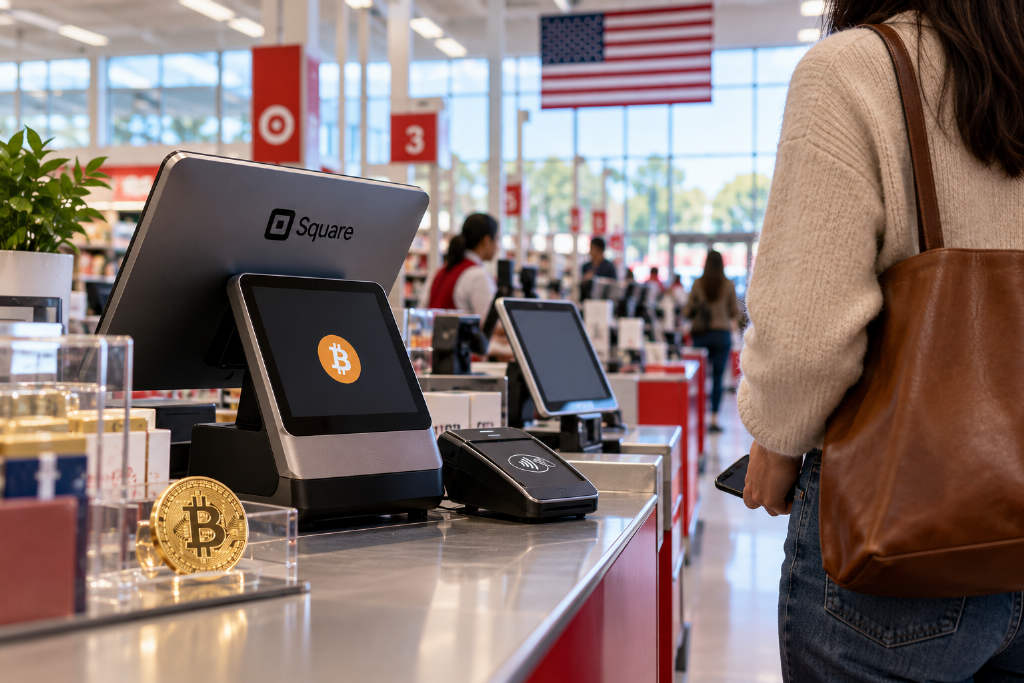
A report from Block-backed Spiral says Bitcoin remains behind stablecoins in everyday payment use, even after seven years of steady improvements in payment infrastructure. The report says more than 1 million U.S. merchants can accept Bitcoin through Square, yet actual consumer spending remains limited. In a post on X, Spiral said Jack Dorsey believes Bitcoin payment adoption has fallen short of expectations and wants the community to propose ways to improve adoption over the next five years. The report adds that stablecoins hold an edge in online commerce and automated payments because they do not expose users to Bitcoin’s price volatility. It also says machine-to-machine payment use cases, including payments involving AI agents, are currently dominated by stablecoins.
Block-backed Spiral said in a new report that Bitcoin still lags stablecoins in everyday payment adoption, despite seven years of continued improvement in payment infrastructure.
The report said more than 1 million U.S. merchants can accept Bitcoin through Square, but consumer spending remains limited.
In a post on X, Spiral said Jack Dorsey believes Bitcoin payment adoption has not met expectations and wants the community to put forward proposals that could raise adoption over the next five years.
According to the report, stablecoins are more competitive in online commerce and automated payments because they do not carry Bitcoin’s price volatility. It added that machine-to-machine payment scenarios, including payments involving AI agents, are also led by stablecoins.
The item was reported by Crypto.news.
This article was originally published by Bit.Fan. For more cryptocurrency news and market insights, visit www.bit.fan. Disclaimer:
The market information, project data, and third-party content displayed on this platform are for industry information sharing only and do not constitute any form of investment advice or return commitment.
Cryptocurrency trading carries high risks. Users should fully assess their risk tolerance and make independent decisions. All profits, losses, and legal responsibilities are borne by the users themselves.