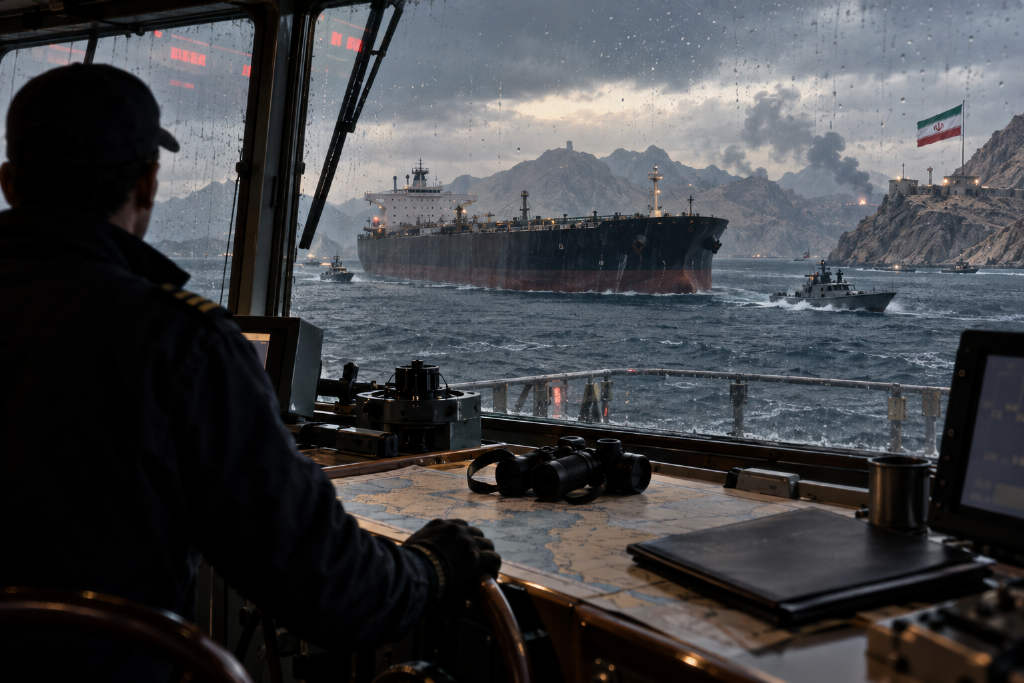
Crew willing to sail through the Strait of Hormuz are being paid sharply higher risk premiums as attacks on vessels in the area intensify, according to a BlockBeats report published on Oct. 7. Citing three people close to tanker owners and seafarers, the report said some tanker captains are now earning as much as $100,000 a month, plus a $50,000 bonus for each passage through the strait. Ordinary sailors are reportedly being paid four to six times their normal wages.
The cost surge is not limited to labor. Freight rates for cargo moving through the Strait of Hormuz climbed to about $1.3 million per day this week, compared with a typical $20,000 to $50,000 last year. Single-voyage war-risk insurance can reach as high as $20 million, while bunker fuel prices for supertankers in Fujairah are up 67% from a year earlier.
Security data cited in the report points to continued disruption. Maritime security company Vanguard said at least 14 attacks have taken place in the strait since Sept. 20, with four ships hit since last Saturday. International Maritime Organization data showed at least 93 vessels have been attacked since Feb. 28, leaving 24 sailors dead. Windward data showed only 13 ships crossed the strait on Oct. 4, down from 24 in the same period a week earlier. Kpler said oil flows through the passage remain about one-third below pre-war levels.
Seafarers willing to cross the Strait of Hormuz are commanding unusually high danger pay after Iran stepped up attacks on vessels in the area, according to BlockBeats on Oct. 7.
Citing three people close to tanker owners and crew members, the report said some tanker captains are now earning as much as $100,000 a month. They can also receive a $50,000 bonus for each transit through the Strait of Hormuz. Ordinary sailors are being paid four to six times their normal wage levels. Industry figures described mariners willing to take the job as 「almost seen as mercenaries」.
Shipping costs have also jumped
Labor is only one part of the increase. Freight rates for cargo moving through the Strait of Hormuz rose to about $1.3 million per day this week, versus a typical $20,000 to $50,000 last year. The cost of single-voyage war-risk insurance can reach as high as $20 million. Bunker fuel prices for supertankers in Fujairah are up 67% year over year.
Attack count continues to rise
Maritime security company Vanguard said at least 14 attacks have taken place in the Strait of Hormuz since Sept. 20. Of those, four ships have been hit since last Saturday.
Data from the International Maritime Organization showed that at least 93 vessels have been attacked since Feb. 28, and 24 sailors have been killed.
Traffic remains below earlier levels
Windward data showed that only 13 ships crossed the strait on Oct. 4, down from 24 in the same period a week earlier.
The Strait of Hormuz carries about one-fifth of the world’s oil and liquefied natural gas supply. Transport volumes have been recovering gradually, but Kpler data showed oil flows through the passage are still about one-third below pre-war levels.
This article was originally published by Bit.Fan. For more cryptocurrency news and market insights, visit www.bit.fan. Disclaimer:
The market information, project data, and third-party content displayed on this platform are for industry information sharing only and do not constitute any form of investment advice or return commitment.
Cryptocurrency trading carries high risks. Users should fully assess their risk tolerance and make independent decisions. All profits, losses, and legal responsibilities are borne by the users themselves.