
VASP Tax Incentives: Direction Due in One Month
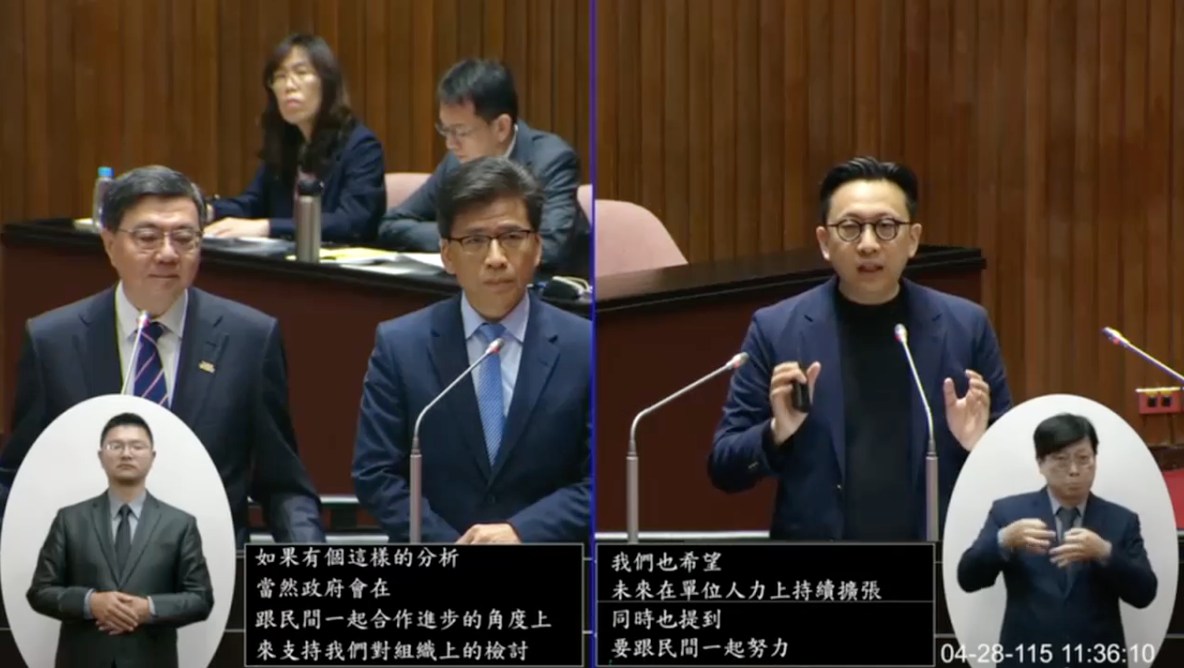
Kuomintang lawmaker Ko Ju-chun questioned Premier Cho Jung-tai, Financial Supervisory Commission (FSC) Chairperson Peng Jin-lung, and Minister of Finance Chuang Tsui-yun in the Legislative Yuan on July 28, focusing on five major issues: the Virtual Asset Service Act, VASP tax incentives, bitcoin spot ETFs, RWA tokenization, and national digital asset reserves. Ko pointed out that countries like Thailand, Portugal, Germany, El Salvador, and the UAE have used corporate tax breaks to attract crypto talent and capital, asking why Taiwan has not offered similar incentives. Minister Chuang initially said existing incentives should be applied first, with new ones requiring tax expenditure evaluation. However, after further questioning by Ko, Premier Cho directly committed that the Executive Yuan would lead the effort, with the Ministry of Finance and FSC cooperating, to propose a direction for VASP tax incentives within one month.
Bitcoin Spot ETF: Report in Three Months
On bitcoin spot ETFs, Taiwan currently only allows professional investors to buy overseas BTC ETFs via sub-brokerage, with high thresholds and restrictions. Ko noted that the US, Canada, and Hong Kong have already approved such ETFs, warning that Taiwan's inaction would drive capital away. FSC Chairperson Peng responded that the commission has received relevant analysis reports and will expand access if conditions are met; regarding the issuance of domestic bitcoin spot ETFs, a formal report will be submitted within three months. Separately, the draft Virtual Asset Service Act has been sent to the Legislative Yuan, and Premier Cho agreed to deploy dedicated FSC units and personnel early. Peng also pledged to deliver a study on VASP industry education funds and financial safety nets within one month.
National Digital Asset Reserve: Central Bank Cautious, Lawmaker Cites Czech Precedent
The most debated segment focused on national digital asset reserves. Ko submitted a research report on Taiwan's bitcoin strategic reserve to Premier Cho, arguing that digital assets are no longer mere investment tools but a matter of financial resilience and national security. He urged the Executive Yuan to direct the central bank and relevant ministries to assess feasibility, starting with a minimal proportion of foreign exchange reserves to consider stablecoins or tokenized bonds as part of the national reserve. Premier Cho responded that current data shows no country has listed bitcoin as a foreign exchange reserve. Ko immediately countered, citing a central bank report that mentioned the Czech Republic has begun discussions and became the first central bank to publicly purchase cryptocurrency. He suggested Taiwan take a more prudent path, first evaluating stablecoins and tokenized bonds—assets with relatively controllable risks—to gradually enter the digital asset world.
RWA Tokenization: Short-Term Launch Unlikely Due to Infrastructure Gaps
Ko also raised the international trend of stock tokenization and RWA, warning that in the future, stocks of Apple, Nvidia, and even TSMC ADRs could trade 24/7 in tokenized form on blockchains, affecting capital flows and pricing power in Taiwan's capital market. FSC Chairperson Peng responded that if RWAs qualify as securities, they will be handled under the Securities and Exchange Act. The FSC has held multiple meetings with the Central Depository and related entities to study a future trading platform and initial products. However, basic infrastructure is not yet in place, so a launch in the short term is impossible. Throughout the interrogation, all five topics received specific timelines or commitments from the Executive Yuan and the FSC.