
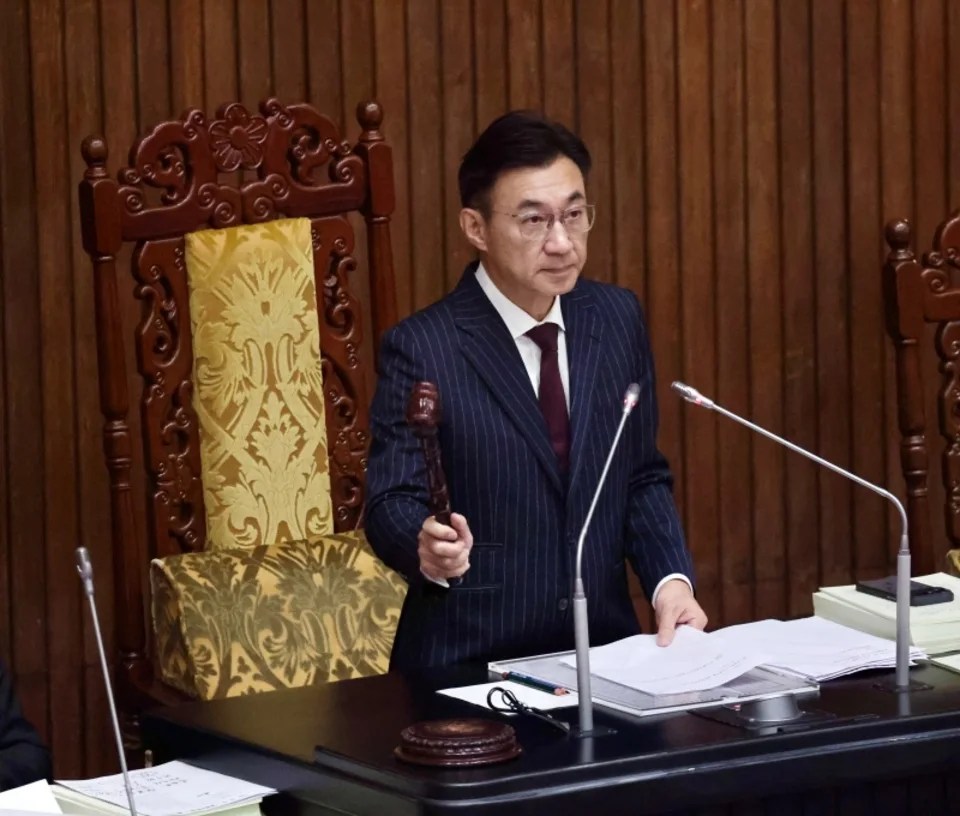
Taiwan’s legislature on July 28 approved a third reading amendment to Article 1223 of the Civil Code, removing the forced inheritance share for siblings, according to Commonwealth Magazine. The new rules will take effect six months after promulgation.
The revision means single people and families without children can leave their estates entirely to designated beneficiaries if they have a valid will in place. Lawyer Liu Wei-te said the statutory order of heirs has not changed, so siblings can still inherit if no will exists.
Siblings’ reserved share removed, other heirs’ protections remain
A forced inheritance share is the minimum portion of an estate reserved by law for statutory heirs. Even if the deceased has left a will, certain heirs could still claim that portion under the previous rules.
This amendment removes that protection only for siblings. The reserved share system for other heirs, including spouses, children, parents, and grandparents, remains in place.
Wills now give single people and childless couples more control
Under the previous framework, even if a single person wrote a will leaving all assets to a long-term cohabiting partner, a close friend, or a charity, siblings could still claim one-third of the estate as their forced share.
After the amendment takes effect, a valid will can leave the full estate to the intended beneficiary, and collateral relatives will no longer be able to claim that reserved portion.
The change also affects married couples without children. Previously, when one spouse died, the surviving spouse had to share the estate with the deceased spouse’s siblings. Even where a will existed, those siblings could still assert a forced share, leaving the surviving spouse exposed to the possibility of selling property or compensating other family members.
Under the revised rules, if each spouse makes a will stating that all property is to be inherited fully by the surviving spouse, that arrangement can protect the survivor from estate division claims by siblings.
No will still means siblings may inherit
Liu said the amendment removes only the forced share for collateral blood relatives and does not alter the statutory order of heirs under Article 1138 of the Civil Code.
That means if a person dies without a will, has no children, and their parents have already died, siblings remain statutory heirs under the law. In that case, the share they can receive through ordinary succession may be larger than the forced share they could previously claim.
The amendment raises the importance of estate planning
The report described the revision as a major milestone in Taiwan’s family status law, reflecting declining birth rates and more diverse family structures. The protection the new law offers centers on testamentary freedom, but that only works when a lawful and clearly drafted will has been prepared in advance.