
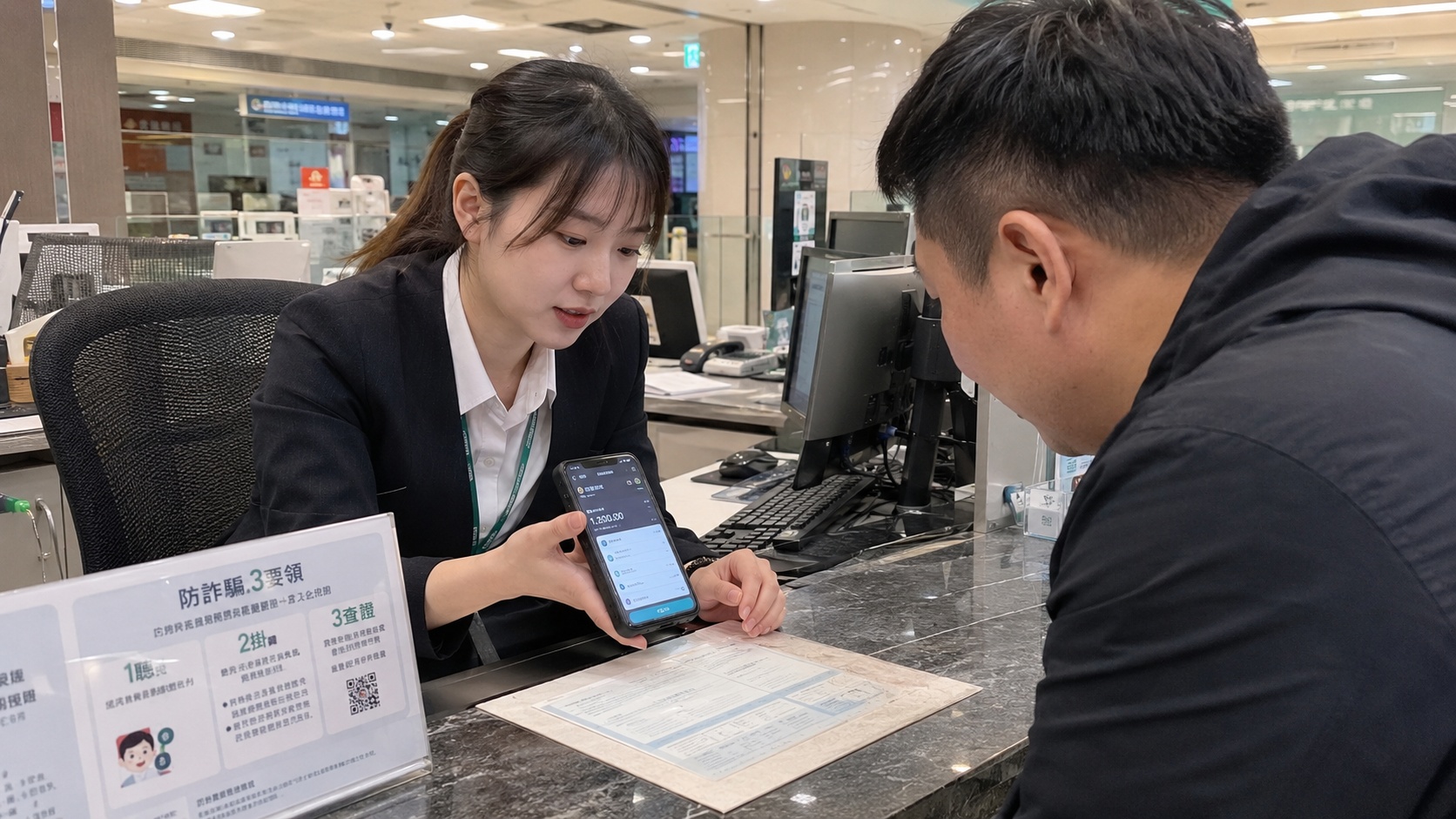
Taiwan's virtual asset regulation just took a major step forward. The draft Virtual Asset Service Act proposed by the Executive Yuan passed article-by-article review by the Finance Committee of the Legislative Yuan without the need for negotiation. The law signals a shift from unregulated growth to institutional governance. Three pillars: financial institutions may operate as VASPs; stablecoin issuance will be subject to strict financial oversight; listed companies must implement internal controls for holding and transacting virtual assets. Collectively, they form the foundation for Taiwan's next-generation digital financial infrastructure.
Banks Can Act as VASPs Without Setting Up Subsidiaries
Under Article 7 of the draft, financial institutions, once approved by the competent authority, may operate virtual asset services directly as VASPs. In the future, banks could offer not only deposits, loans, and wealth management, but also virtual asset custody, stablecoin-related services, and digital asset trading. The regulatory logic is clear: instead of drawing a hard line between traditional finance and crypto, let banks participate safely. The law offers flexibility — no need to establish a separate subsidiary or rename the entity, and exemptions from general VASP leverage limits. Reason: banks are already heavily regulated under the Banking Act, with capital adequacy and risk control standards far above those for market participants. Flexibility, however, does not mean privilege. Obligations around internal controls, information security, client asset segregation, fiat trust mechanisms, disclosure, and record-keeping still fully apply.
Stablecoin Issuance Requires Central Bank Consultation and Full Reserves
The stablecoin regime is now codified. Articles 34–36 mandate that any issuer of stablecoins in Taiwan must obtain prior approval from the competent authority, which must consult the central bank before granting it. The issuer must maintain equivalent, fully reserved assets, kept separate and subject to regular audits. The logic is straightforward: every stablecoin unit must be backed by corresponding assets, with no room for misappropriation. This is clearly designed to prevent a repeat of the Terra Luna collapse.
Listed Companies Must Adopt Cold/Hot Wallets and Multi-Signature for Crypto
The Taiwan Stock Exchange (TWSE) released the Internal Control Guidelines for Holding Cryptocurrencies. Listed companies holding or accepting stablecoins must establish a complete authorization and limit management framework, with board-approved investment caps and risk tolerance. Cold and hot wallet protocols, multi-signature mechanisms, and segregation of duties are required. For asset acquisition and disposal, companies must assess price reasonableness; transactions above thresholds must be publicly disclosed. In payment flows, firms must verify wallet address ownership and authorization to ensure traceability and reduce money laundering risk.
For Taiwan, the significance of this law lies in its explicit message: virtual assets are no longer just speculative tools on exchanges — they are becoming part of the financial system. With banks able to operate VASPs, stablecoins having a legal basis, and listed companies equipped with receiving and holding mechanisms, Taiwan is building not just a new set of rules, but the infrastructure for the next generation of digital finance. The enterprises and financial institutions that complete compliance, accounting, and cybersecurity preparations earliest could become the first movers in this wave.