
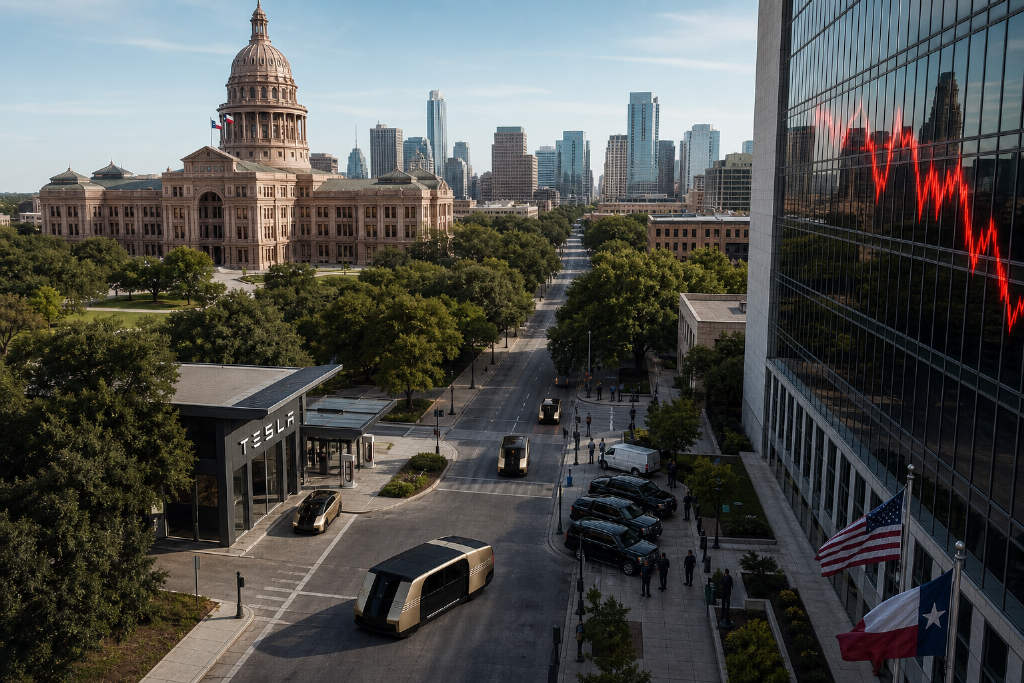
Tesla shares dropped 6% within an hour on the morning of September 4 after news broke that the company’s Cybercab was facing a federal compliance audit. The move came one day after Tesla began commercial deployment of Cybercabs on public streets in Austin, Texas.
By the end of that day, the National Highway Traffic Safety Administration, or NHTSA, had quietly opened a new probe, Audit Query AQ26002, covering up to 1,000 Tesla vehicles. Protos said that range would more than cover Tesla’s Cybercab fleet, which consists of only a few dozen vehicles.
Tesla stood by its position, saying that 「Cybercab is engineered to be the safest car on the road」.
NHTSA review centers on Tesla’s certification basis
NHTSA does not usually pre-approve vehicles for compliance with Federal Motor Vehicle Safety Standards, or FMVSS. Instead, manufacturers generally self-certify that their vehicles comply, unless they seek a limited exemption ahead of time.
When the agency suspects a vehicle may not comply with FMVSS, it can investigate and pursue remedies. In this case, NHTSA said it 「is opening this AQ to examine the process and technical data on which Tesla relied when certifying the Cybercab and related issues」.
The Cybercab has no permanently attached steering wheel, brake pedal, accelerator pedal, or rearview mirrors. According to the report, Tesla views those omissions as both futuristic and safe.
An Audit Query is not a recall or a finding of wrongdoing
Protos noted that an Audit Query is not an allegation of misconduct. The NHTSA notice on Cybercab also does not announce a recall or state that the agency has reached a current finding of noncompliance.
Last year, NHTSA proposed three rules for automated vehicles that do not have manual controls. Under its existing path, manufacturers can sell as many as 2,500 vehicles per year that do not fully comply with traditional FMVSS requirements.
Tesla chose self-certification instead of seeking an exemption first
The report pointed to Zoox as a recent case in which an NHTSA audit ended without major friction. NHTSA closed its self-certification inquiry into Zoox in August 2025 and issued a list of requests that the company fulfilled. Zoox then received a formal temporary FMVSS exemption and started commercial deployment in July 2026. Under that exemption, Zoox can legally operate cars on public roads.
Tesla took a different route. It started commercial deployment through self-certification instead of proactively applying for a special exemption.
Reuters reported that Tesla did not immediately respond to its request for comment on the NHTSA audit opened the previous day.
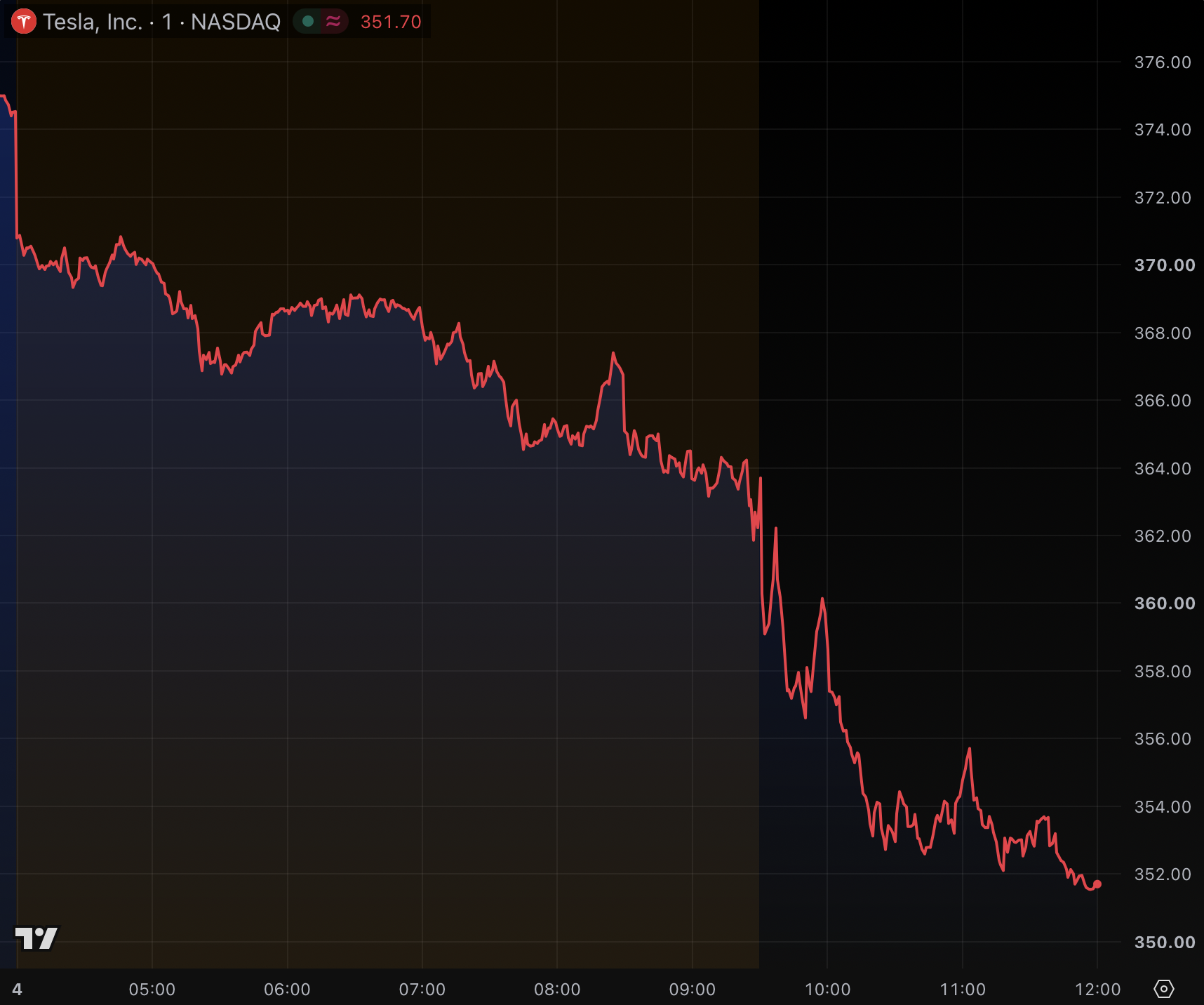
Stock was down 6.5% by midday
By midday in Nasdaq trading on September 4, Tesla stock was trading 6.5% below the previous session’s close. Over the same period, the Nasdaq 100 index was roughly flat, down about 0.5%.
Protos also referenced a chart showing Tesla’s share price from the September 3 close through noon on September 4, with data sourced from TradingView.