
Trezor cuts reseller network after more implants found
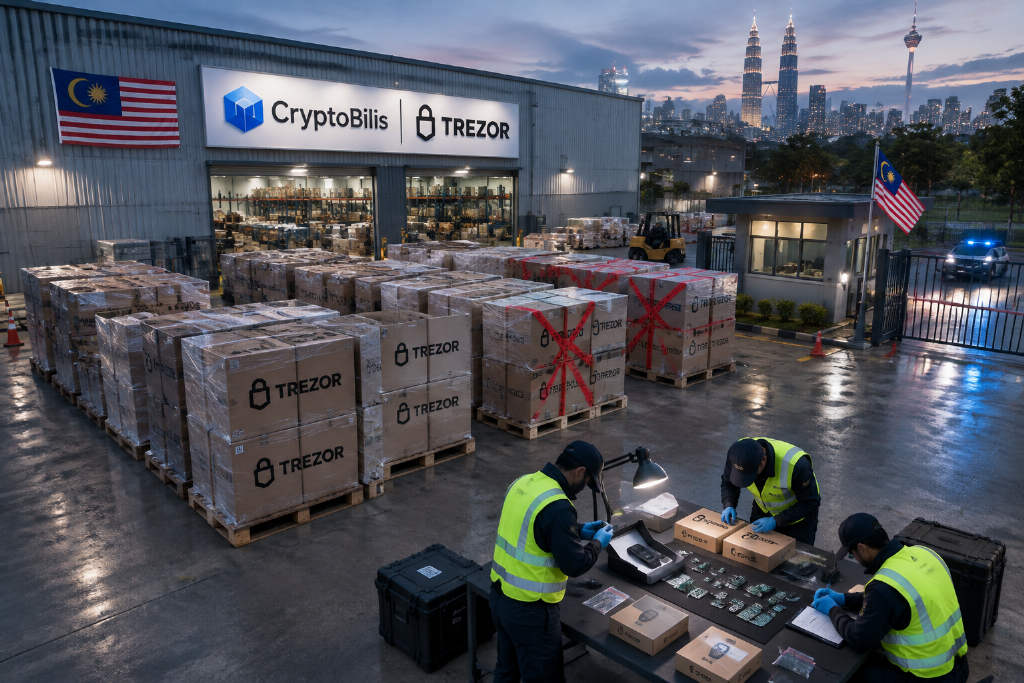
Hardware wallet maker Trezor has cut its reseller network by 80% after finding more spyware implants in devices sold by Malaysian vendor CryptoBilis. In its latest update on the incident, Trezor said it had introduced stricter rules for vendors to protect its supply chain.
The new rules cover how devices are sourced and stored, along with who has access to them. Only 20% of vendors were able to comply. Trezor stressed that the resellers it dropped were trustworthy and posed no immediate threat.
Update disables the implants
Trezor said an update released on November 11 stops the implants from recording data and renders them useless. A company spokesperson told Protos that the implant listens to communications between the microcontroller, or MCU, and the display. It triggers data capture after detecting a specific sequence.
That sequence is a wallet’s seed phrase. Trezor said it changed the order of commands sent to the display to prevent the trigger, without affecting what appears on the screen.
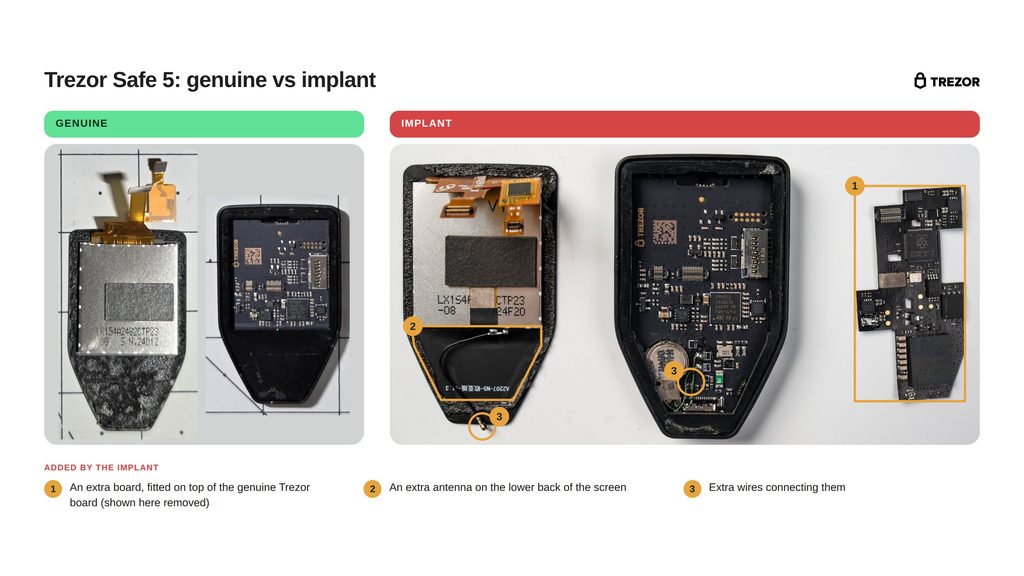
The company also shared images showing the interior of one tampered wallet sourced from CryptoBilis.
Trezor still warned CryptoBilis customers to move their funds to a new wallet. The company said the update cannot protect a wallet backup that was captured before the update was installed.
Three Trezor Safe 5 wallets affected
Trezor said three Trezor Safe 5 devices have been found with the spyware. The wallets were purchased between August 20 and September 23. The company continues to maintain that no cryptocurrency was stolen from the affected devices. It has offered free replacements to customers who purchased their wallets from CryptoBilis.
Incident follows Ledger theft
More than $86 million was stolen last month from wallets sold by Trezor rival Ledger. That attack also involved tampered wallets sold by CryptoBilis. Stablecoin issuer Tether froze $10 million in stolen funds, while Ledger asked multiple wallet vendors across Asia to halt sales.
Ledger’s investigation found that its software development kit, or SDK, had exposed users’ transaction data and device information. The investigation also uncovered an organized crime group that spent millions of dollars building spyware infrastructure, including logistics, seed-collector servers, and infrastructure used to drain and launder funds. Trezor disclosed its own implant discovery several weeks after Ledger’s disclosure.



