Trezor
Nov 12, 2026

Trezor Cuts Reseller Network by 80% After Finding More Spyware Implants

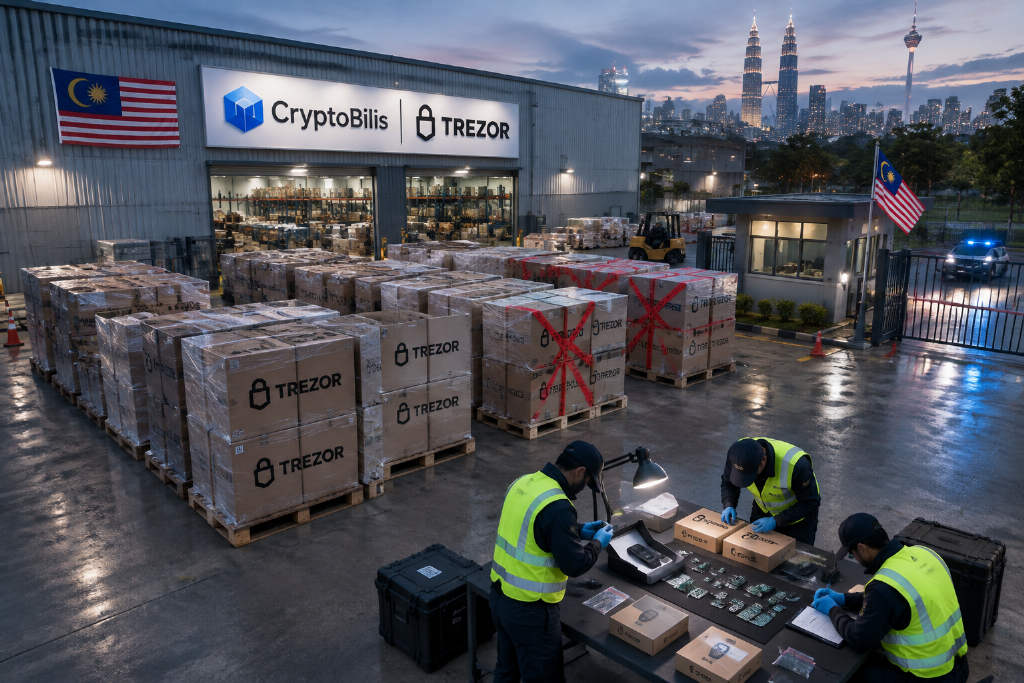
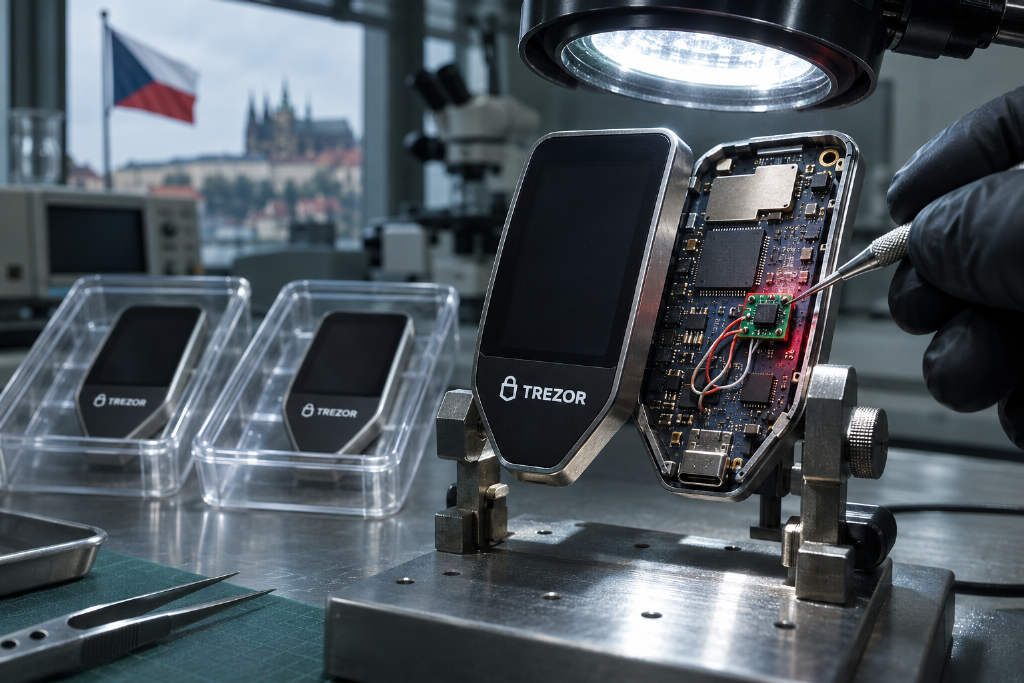
Hardware wallet maker Trezor has cut its reseller network by 80% after finding additional spyware implants in devices sold by Malaysian vendor CryptoBilis. The company said it introduced stricter supplier rules covering how devices are sourced and stored, as well as who can access them. Only 20% of vendors met the new requirements, though Trezor said the removed resellers were trustworthy and posed no immediate threat. Trezor also said an update released on November 11 stops the implants from recording data and makes them useless. The implants listened to communications between the microcontroller and display and triggered data capture when they detected a sequence containing a wallet’s seed phrase. Trezor changed the order of commands sent to the display without affecting the screen output. Three Trezor Safe 5 wallets were found to contain the spyware. The devices were purchased between August 20 and September 23. Trezor said no funds were stolen and offered free replacements to CryptoBilis customers, while warning that the update cannot protect backups captured before it was installed. The incident follows an attack involving tampered CryptoBilis wallets sold by Ledger, in which more than $86 million was stolen.
20
Trezor Cuts Reseller Network by 80% After Finding More Spyware Implants
Trezor
Nov 12, 2026

Trezor Confirms Three CryptoBilis Devices Were Tampered With

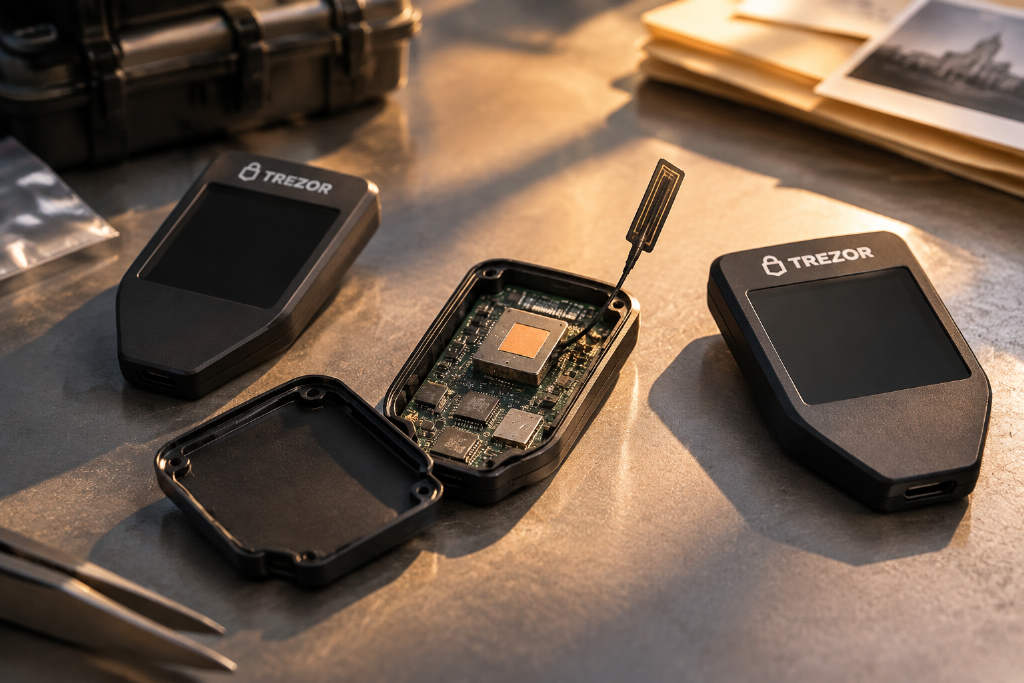
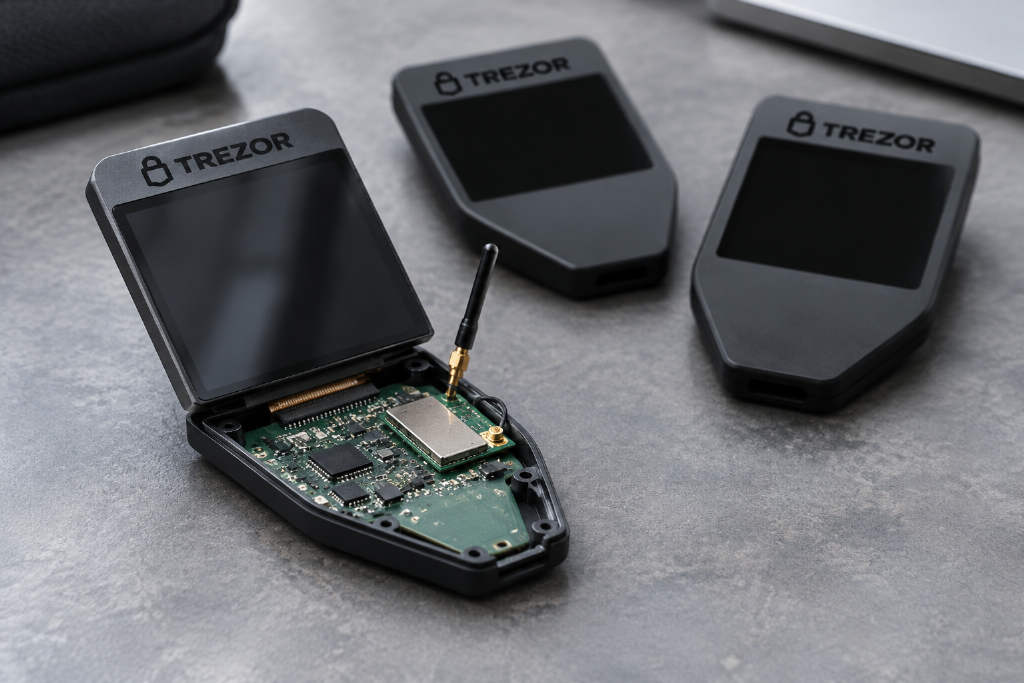
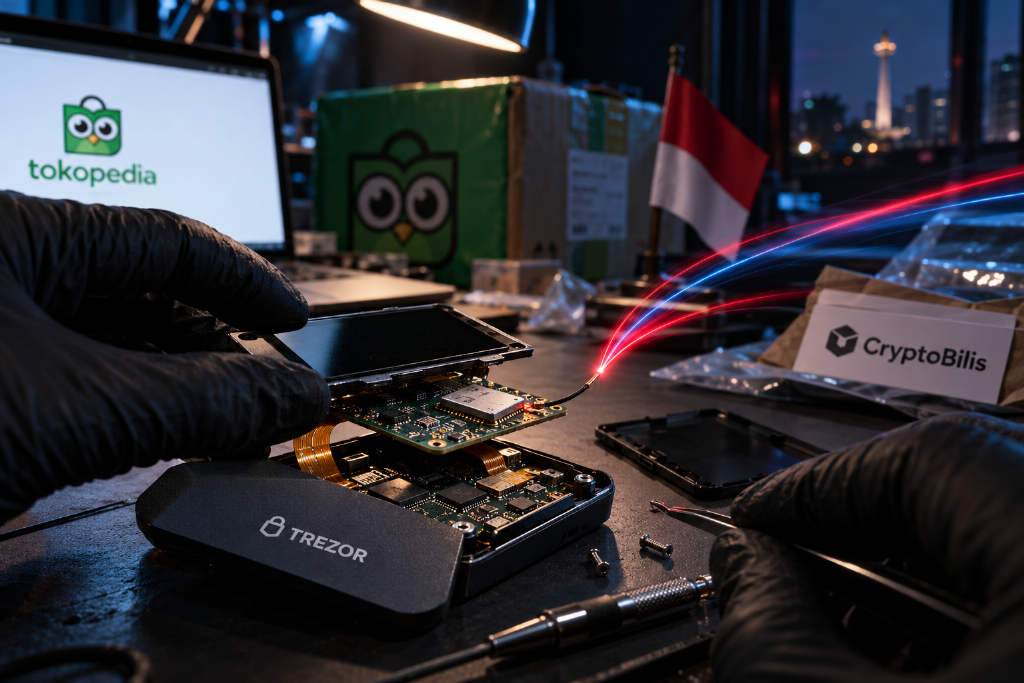
Trezor has confirmed that three Trezor Safe 5 devices sold through the CryptoBilis distribution channel contained hardware implants. The affected devices were purchased between August 20 and September 23, 2026, through CryptoBilis stores on Tokopedia and Shopee or directly from the dealer. Trezor said no tampered units have been identified among other dealers or other device models. The company released firmware version 2.13.1 on November 11, which prevents the identified implants from capturing further information. The update cannot protect wallet backups that may already have been copied. Trezor is asking affected buyers to create a new wallet with a new recovery seed and move their funds. No user has reported a loss of funds so far. The implant was an extra circuit board placed between the device’s mainboard and screen. It could copy screen content, identify and store recovery seeds and passphrases, then encrypt and send them over a mobile network to an attacker-controlled server. Trezor said it has cut its dealer network by about 80%.

00
Trezor Confirms Three CryptoBilis Devices Were Tampered With
Trezor
Nov 12, 2026

Trezor Confirms Malicious Implants in Three Safe 5 Devices Sold by CryptoBilis

Trezor has confirmed that three Safe 5 devices sold by CryptoBilis contained malicious implants capable of stealing recovery phrases and passphrases. The implants could capture screen data and send it over a mobile network to servers controlled by attackers. Trezor said firmware version 2.13.1, released on November 11, can disable the implants that have been identified. The company also said its distributor network has been reduced by about 80%, while no customers have reported stolen funds so far. Customers who bought devices through CryptoBilis from March 2026 onward can apply for replacements. Trezor still advises affected users to move their funds to a wallet created with an entirely new recovery seed. The firmware update cannot remove information that may have been exposed before the update was installed. The incident and Trezor’s confirmation were reported by Bitcoin News in a post on X.

00
Trezor Confirms Malicious Implants in Three Safe 5 Devices Sold by CryptoBilis
Trezor
Nov 12, 2026

Trezor Confirms Three Safe 5 Devices Sold by CryptoBilis Contained Malicious Implants

Trezor confirmed that three Safe 5 devices sold by CryptoBilis contained malicious implants capable of stealing recovery phrases and passphrases. The implants captured screen data and sent it over mobile networks to servers controlled by attackers. Trezor said firmware version 2.13.1 can disable the identified implants, while its dealer network has been reduced by about 80%. No customers have reported stolen funds so far. Customers who bought devices through CryptoBilis from March 2026 onward can request replacements. Trezor still advises affected users to move their funds to wallets created with entirely new recovery seeds, since a firmware update cannot remove information that may have been exposed before the update.

10
Trezor Confirms Three Safe 5 Devices Sold by CryptoBilis Contained Malicious Implants
Trezor
Nov 1, 2026

Trezor warns CryptoBilis buyers to move funds after suspected Safe 5 hardware implant report

Trezor has expanded its security warning after an Indonesian user reported that a Trezor Safe 5 bought through former authorized reseller CryptoBilis may have contained a non-original electronic component capable of capturing a wallet recovery phrase. The company said that, as of Nov. 1, it had not completed lab forensics on the reported device and had not received any reports of stolen user funds tied to the case. Even so, Trezor is urging anyone who bought a device through CryptoBilis from March 2026 onward to move assets into a new wallet created with a fresh recovery phrase and not reuse the old seed. The company said replacement devices or purchase vouchers are available. The warning comes after Ledger began investigating theft cases linked to the same sales channel on Oct. 9 and later confirmed that some genuine devices had been fitted with unauthorized hardware. OneKey has also ended its relationship with CryptoBilis and paused new reseller approvals. Trezor said the suspicious Safe 5 reported on Oct. 28 has not yet been among the four devices it already inspected, which included one Safe 7, two Safe 5 units and one Safe 3, all of which showed no signs of physical tampering.

1300
Trezor warns CryptoBilis buyers to move funds after suspected Safe 5 hardware implant report
Trezor
Oct 30, 2026

Trezor says Malaysian reseller sold Safe 5 wallet with spyware implant

Trezor said it has identified a report involving one of its hardware wallets sold by Malaysian reseller CryptoBilis that allegedly contained a physical spyware implant. The device in question was a Trezor Safe 5 purchased in August 2026. According to Trezor, the suspected implant consisted of an extra circuit board placed between the main board and the screen, along with a cellular module and antenna. Based on a user report that the company said it has not yet fully verified, the implant could read whatever appeared on the screen, including the wallet backup, and transmit that data over a mobile network whenever the wallet was plugged in. The company said it is treating the report as credible and has urged anyone who bought a Trezor device from CryptoBilis after March 2026 to move funds to a new wallet immediately and contact Trezor for a replacement. Trezor added that it examined four other wallets sourced from CryptoBilis and found no evidence of tampering. It also said there have been no reports of stolen funds so far. CryptoBilis was removed from Trezor’s list of official resellers on October 9, after an $86 million Ledger wallet hack tied to spyware installed in wallets sold by the same reseller.

750
Trezor says Malaysian reseller sold Safe 5 wallet with spyware implant
Trezor
Oct 30, 2026

Trezor warns of suspected hardware trojan in Safe 5 bought via CryptoBilis

Trezor said its security team received a responsible disclosure report alleging that a Trezor Safe 5 purchased through Southeast Asian official reseller CryptoBilis had been tampered with and fitted with a hardware trojan. The device was reportedly bought on Tokopedia in August 2026. According to the report, an extra circuit board with a cellular module and antenna was inserted between the motherboard and the screen, allowing the device to read on-screen content and transmit it over a mobile network when powered on. Trezor said it has not yet received the physical device for laboratory verification, but based on the customer’s description and video communication, it considers the report credible and issued a warning in advance. The company added that no user losses have been reported so far. It advised customers who bought devices through CryptoBilis from March 2026 onward to move assets to a wallet generated with a brand-new recovery seed as soon as possible and not to enter an existing seed phrase on any suspicious device. Trezor also said affected users can contact the company to request a replacement device or a voucher, and that CryptoBilis was removed from its official reseller list on Oct. 9.

880
Trezor warns of suspected hardware trojan in Safe 5 bought via CryptoBilis
Singapore Police Force
Oct 29, 2026

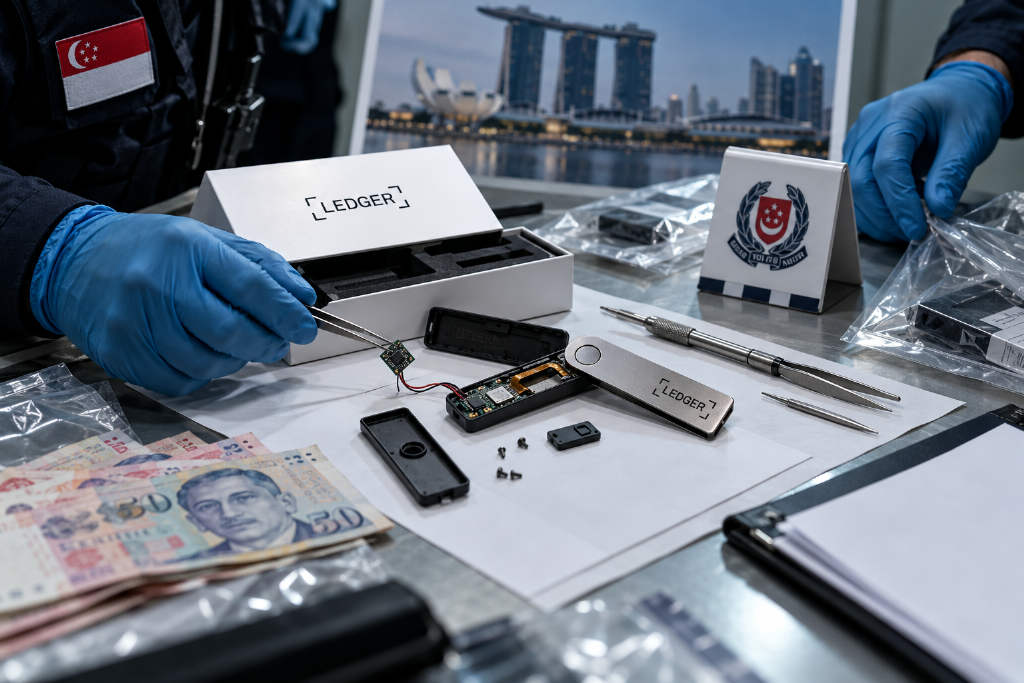
Singapore police warn of tampered Ledger wallets after losses reach S$3.5 million

Singapore Police Force said in a warning issued Wednesday that it has received at least two reports involving tampered Ledger hardware wallets since Sept. 10, with combined losses of about S$3.5 million, or roughly $2.7 million. Preliminary findings showed that some Ledger devices bought from retail stores in Singapore contained malicious hardware components. The issue became public on Oct. 9 and involved devices sold through CryptoBilis, an authorized distributor operating in Indonesia, Malaysia, and the Philippines. After that, former Mt. Gox CEO Mark Karpelès said a Ledger Flex he bought at Singapore airport contained a spyware implant. Another user said a tampered device was purchased from local IT retailer Challenger and was later replaced by Ledger. On Oct. 13, Ledger asked retailers in Indonesia, Singapore, Thailand, the Philippines, Vietnam, Malaysia, and Hong Kong to halt sales of its devices while the review continues. Police said they remain in contact with Ledger, which is reviewing affected cases, and that the investigation is ongoing.

1020
Singapore police warn of tampered Ledger wallets after losses reach S$3.5 million
Total 48 items
Go topage