CryptoBilis
Oct 28, 2026

Salus says CryptoBilis attacker deposited another 1,200 ETH into Tornado Cash

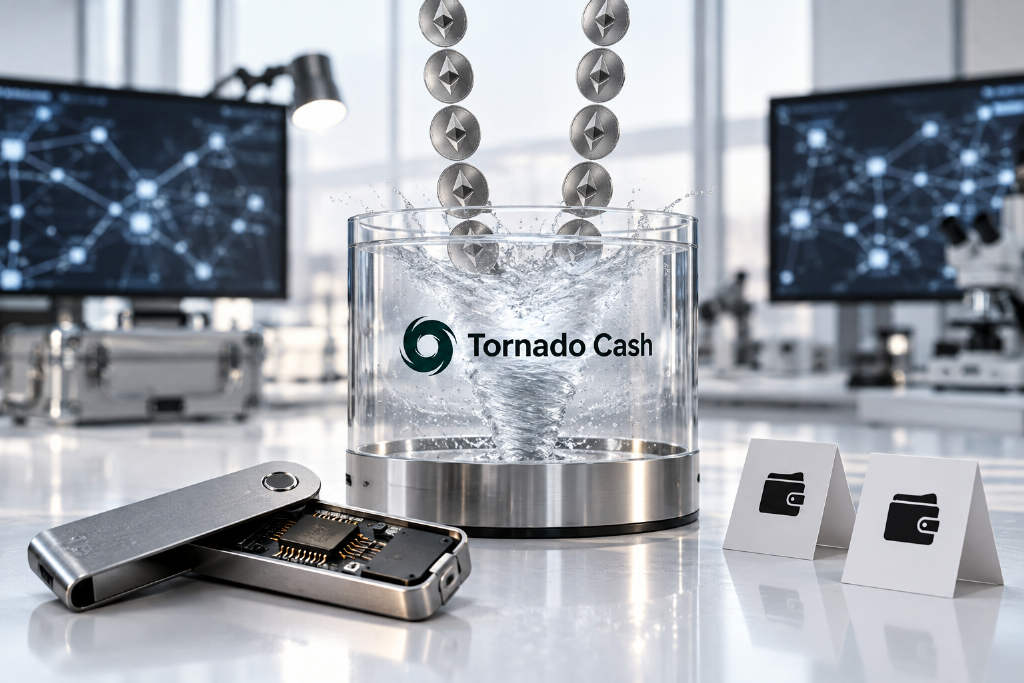
Salus said the attacker tied to the CryptoBilis case deposited another 1,200 ETH into Tornado Cash on Oct. 27, worth about $2.78 million. The transfer came 18 days after the large-scale wallet theft linked to users who bought Ledger devices through Southeast Asian reseller CryptoBilis. Ledger had said on Oct. 11 that one victim’s device contained an unauthorized hardware implant. According to the monitoring details, the attacker first sent 600.1 ETH each from wallet 0x468b…2a4e to two newly created wallets. Those two wallets then deposited funds into Tornado Cash in parallel, completing 12 transfers of 100 ETH between 14:24:59 UTC and 14:27:23 UTC. Bitquery estimated losses across multiple blockchains at about $102 million in the Oct. 9 theft.
850
Salus says CryptoBilis attacker deposited another 1,200 ETH into Tornado Cash
Ledger
Oct 22, 2026

Ledger implant case puts reseller trust, security claims and wallet liability under scrutiny

Ledger is facing mounting questions after some users in Southeast Asia reported that assets were drained from hardware wallets purchased through reseller CryptoBilis. On Oct. 9, the company said it had opened an investigation, asked the reseller to halt sales and shipments, and advised recent buyers not to set up their devices for now. A day later, Ledger said an unauthorized hardware implant had been found in one affected user’s device and added that, so far, it had seen no sign that its own security infrastructure, systems or services had been compromised. Bitquery estimated that transfers tied to the incident involved 315 wallets and about $93.2 million, though Ledger has not confirmed the final scale of losses. Beyond the technical investigation, the episode has widened into a broader debate over what “officially authorized” means in practice, how clearly wallet makers explain the limits of security checks such as Genuine Check, and where responsibility sits in non-custodial products when users control private keys but still rely on vendors for hardware, software, interfaces and service integrations.

1030
Ledger implant case puts reseller trust, security claims and wallet liability under scrutiny
Bitcoin
Oct 16, 2026

Chainalysis says task-scam operator lost 60 BTC in Ledger theft case

A major victim in last week’s Ledger theft incident was also a scammer, according to blockchain analytics firm Chainalysis. In a post published Thursday, the company said a criminal lost 60 BTC, worth about $4.8 million, after moving proceeds from a so-called task scam into three Ledger addresses that were later drained. Chainalysis said the addresses were tied to a fraud scheme in which victims were paid to fake sales and reviews for real products, then told to add their own money before being robbed. The firm said the scam operator moved the funds on Sept. 22, and on Oct. 9 thieves emptied all three Ledger addresses in single transfers to the same wallet, which has been flagged as stolen funds. The incident is part of a broader investigation disclosed by Paris-based Ledger after customers in Southeast Asia reported losses tied to devices bought from Malaysia-based reseller CryptoBilis. Ledger said the case involved a large organized crime operation in which implants were installed into devices and the products were put back on the market. Those implants could read seed phrases and allow criminals to drain wallets. Ledger has not disclosed a total loss figure, but blockchain investigator Specter said $86 million had been drained. The company also said it is working with law enforcement and that CryptoBilis has stopped selling Ledger products.

1410
Chainalysis says task-scam operator lost 60 BTC in Ledger theft case
Ledger
Oct 16, 2026

Ledger supply-chain attack tied to tampered reseller devices as losses top $86 million

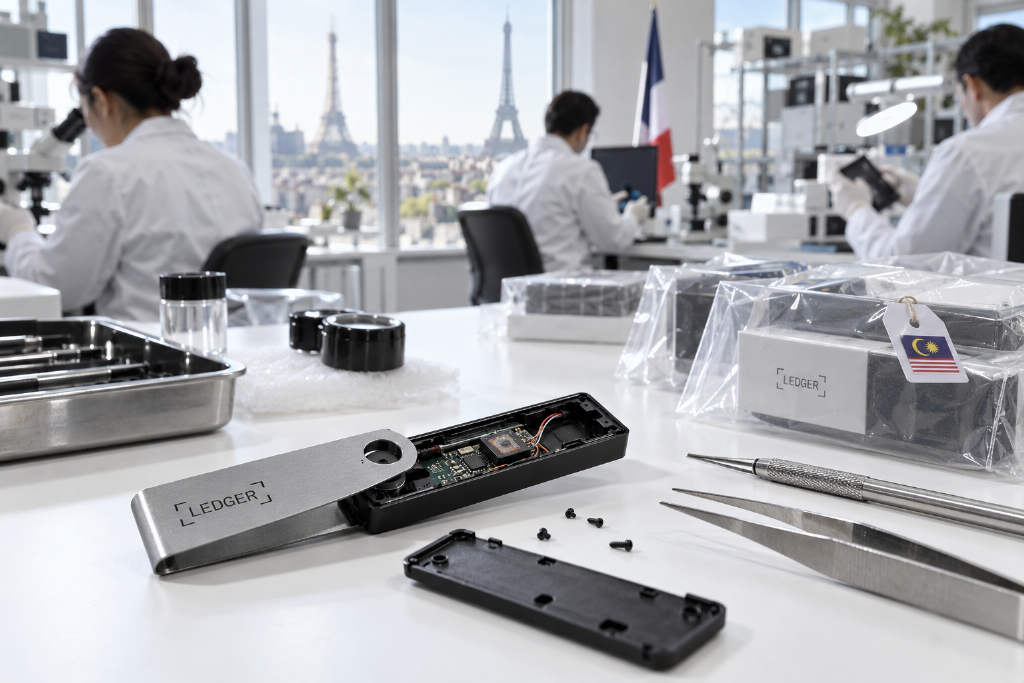
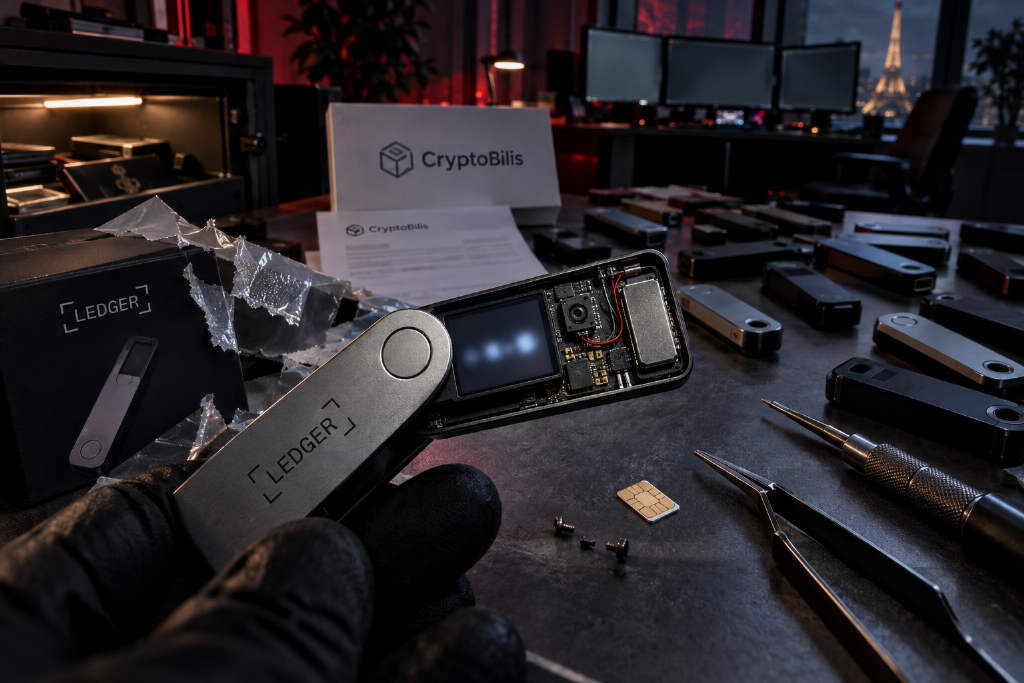
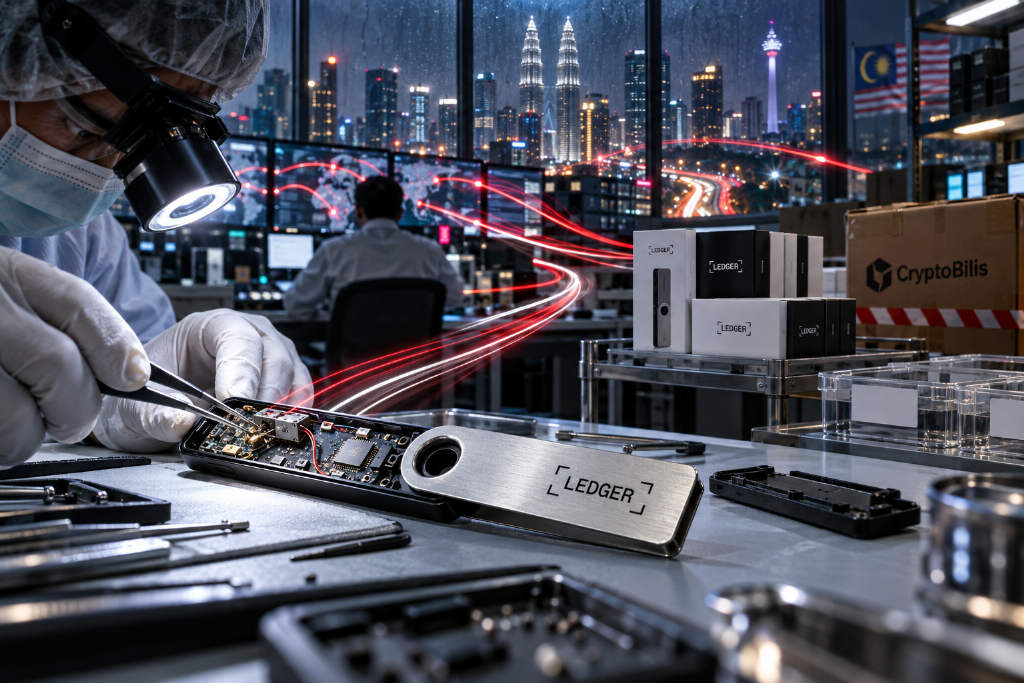
A supply-chain attack involving Ledger hardware wallets has been linked to devices sold by Southeast Asian reseller CryptoBilis, with reported losses ranging from more than $86 million to roughly $93 million. According to the report, the attack did not break Ledger’s secure element or exploit a software flaw. Instead, investigators found an unauthorized hardware implant hidden inside affected devices, designed to intercept the seed phrase when it appeared on the screen during setup and send it out through an LTE module with eSIM support. On-chain sleuth Specter flagged a wave of theft reports on X and Reddit on Oct. 9, 2026. Ledger later said all verified cases traced back to CryptoBilis. The article cited findings from Mark Karpelès, who reportedly opened a sealed device and discovered a microcontroller connected to the display’s SPI line, plus an LTE module and antenna. Bitquery estimated stolen funds at about $93.2 million spread across 315 wallets on six chains. The report said roughly 2,990 ETH moved through Tornado Cash and then into a Zcash privacy pool, while Tether froze about $10 million in related USDT. Ledger advised users who bought from CryptoBilis within the past 90 days not to initialize unopened devices and to move funds to a new signer with a new seed phrase if a device has already been set up.

1830
Ledger supply-chain attack tied to tampered reseller devices as losses top $86 million
Ledger
Oct 15, 2026

Ledger says organized crime group spent millions tampering with hardware wallets and stealing seed phrases

Ledger says a highly organized criminal group bought its hardware wallets, inserted implants capable of reading users’ seed phrases, and pushed the devices back into the supply chain through resellers. The statement came after customers reported lost funds and tampered devices, with the company calling the case one of the most sophisticated attacks the digital asset industry has faced. Ledger had already opened an investigation after customers in Southeast Asia said they lost funds after buying devices from Malaysia-based reseller CryptoBilis, and it said it confirmed that one impacted device contained an unauthorized hardware implant. While the company did not specify total losses, blockchain investigator Specter said $86 million had been drained. Ledger said there was no flaw in its chip, operating system, or servers, and described the incident as an attack on the distribution channel after devices left its control. The company also said it screened devices in other markets, including Europe, found those devices clean, and that authorized resellers and distributors in Southeast Asia and Hong Kong had suspended sales. Ledger added that it is working with law enforcement to trace funds and dismantle the attackers’ infrastructure.

1280
Ledger says organized crime group spent millions tampering with hardware wallets and stealing seed phrases
Ledger
Oct 16, 2026

Ledger Unveils Atom Hardware Wallet as Supply-Chain Fallout Still Clouds Trust

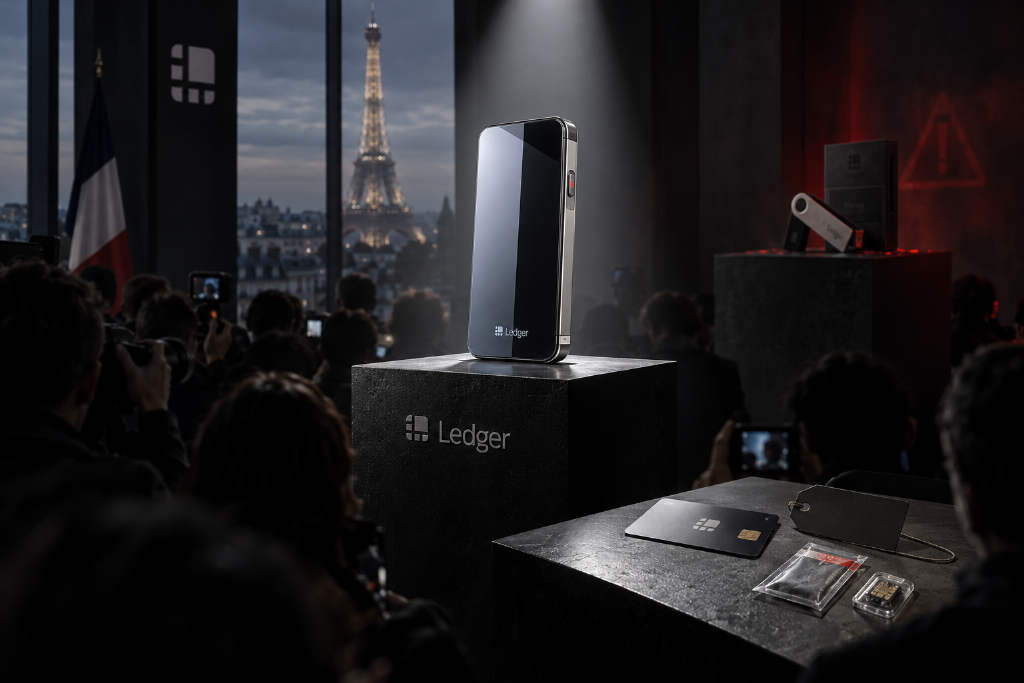
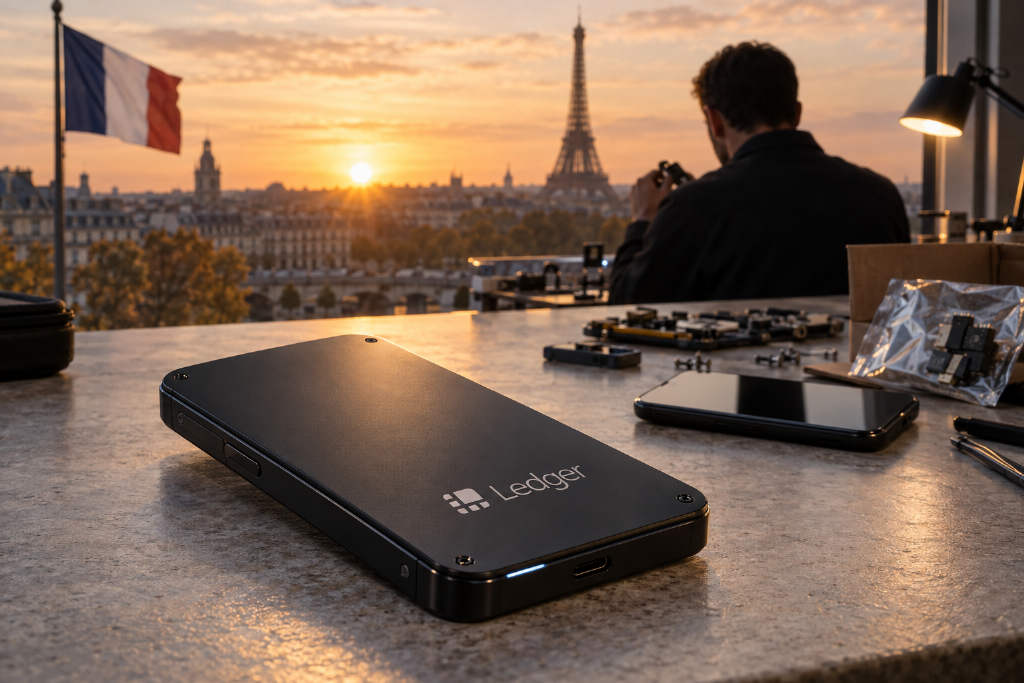
Ledger has introduced Ledger Atom, a phone-like hardware wallet that blends consumer-style apps with crypto custody features, at a moment when the company is still dealing with the fallout from a supply-chain attack tied to its CryptoBilis distribution channel. Announced on Oct. 16, the device features a dual-OS design, hardware-based screen isolation, tamper and anti-disassembly protections, physical privacy switches, and support for AI-assisted transaction preparation through Ledger Agent Intent. The founder edition carries a preorder price of $849 with a refundable $100 deposit, while the standard version is expected to cost $899 and ship in mid-2027. The launch has not gone over smoothly. Ledger says Atom will be sold initially only through its official website to reduce distribution risk, yet the company still has not provided a clear compensation or replacement plan for customers affected by the recent tampering incident. Community criticism has centered on the timing of the release, the device’s high price, and the fact that its phone-like appearance and visible Ledger branding could create real-world security concerns. The debate has turned Atom into more than a product launch: it is now a test of whether new hardware features can help restore confidence while unresolved security questions remain.

1240
Ledger Unveils Atom Hardware Wallet as Supply-Chain Fallout Still Clouds Trust
Ledger
Oct 15, 2026

Ledger supply-chain breach tied to physical implant, with up to $93M drained from 300+ wallets

The Defiant reported that a Ledger-related signer supply-chain breach led to losses of as much as $93 million from more than 300 wallets. According to the report, Ledger confirmed that the software itself was not compromised. Instead, the issue involved a physical implant placed inside signers sold through reseller CryptoBilis. The implant allegedly read recovery phrases directly from the screen during device setup and transmitted that data over a mobile network. The report frames the incident as more than a technical failure. It shifts attention to the trust assumptions behind self-custody hardware: the manufacturer, the reseller, the sealed packaging, the device already in a user’s possession, or the user’s own verification process. The episode also featured Pablo Sabbatella, founder of Opsek, as a guest. The Defiant noted that its articles are stored on Filecoin.

1220
Ledger supply-chain breach tied to physical implant, with up to $93M drained from 300+ wallets
Ledger
Oct 15, 2026

Ledger unveils $849 Atom device after Asia wallet tampering incident

Ledger has introduced Atom, a new $849 device that combines hardware wallet security with smartphone-style everyday apps, while adding anti-tampering protections the company says would stop the kind of malicious implants recently found in wallets sold in Asia. The French wallet maker said Atom separates Android apps from sensitive wallet functions and can detect tampering even when powered off. According to an announcement shared with Cointelegraph, the device is expected to begin shipping in summer 2027. Ledger also said Atom will support AI agent approvals, encrypted messaging and post-quantum cryptography. The launch comes days after the company confirmed a security incident involving wallets sold through authorized reseller CryptoBilis, where malicious implants were discovered. Ledger has asked distributors in Southeast Asia and Hong Kong to suspend sales, while European retail chain MediaMarkt has removed Ledger wallets from store shelves. In a separate blog post, the company said it has introduced new rules for authorized resellers, including keeping devices off display and handing them to customers only at the time of purchase. Ledger also repeated that returned devices must never be resold.

1610
Ledger unveils $849 Atom device after Asia wallet tampering incident
Total 48 items
Go topage