Ledger
Oct 12, 2026

Ledger probes Southeast Asia theft reports tied to CryptoBilis, raising questions over hardware wallet supply-chain security

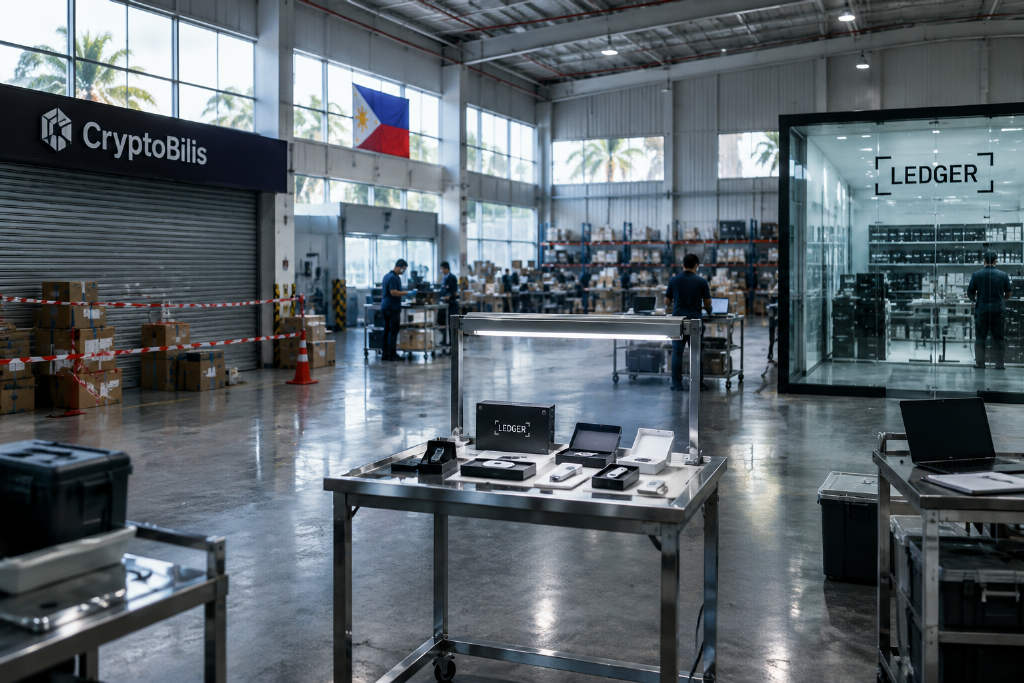
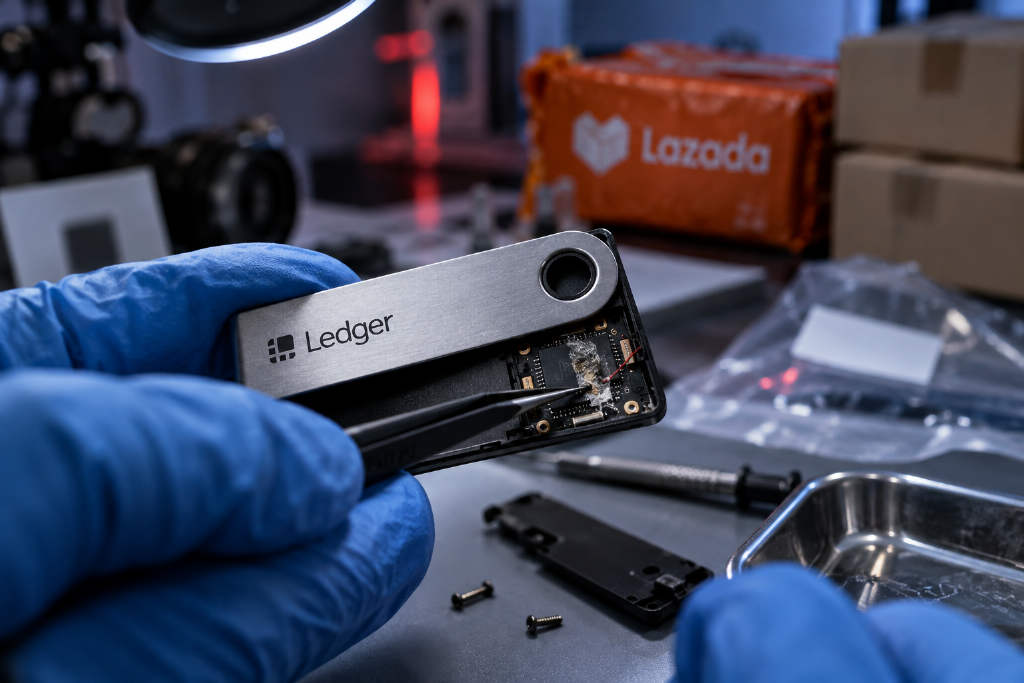
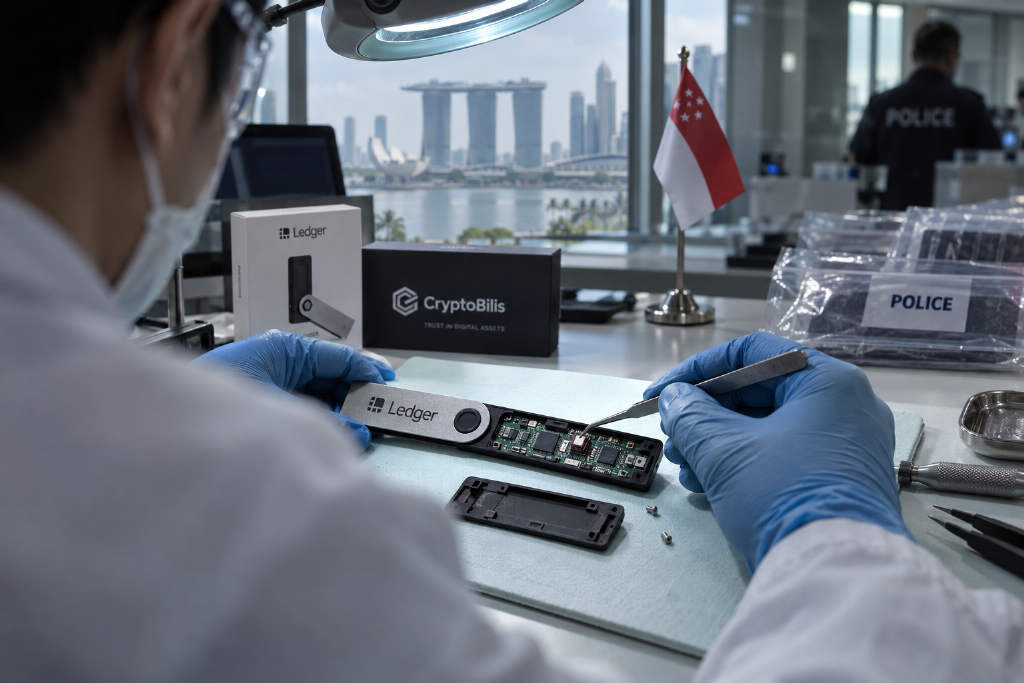
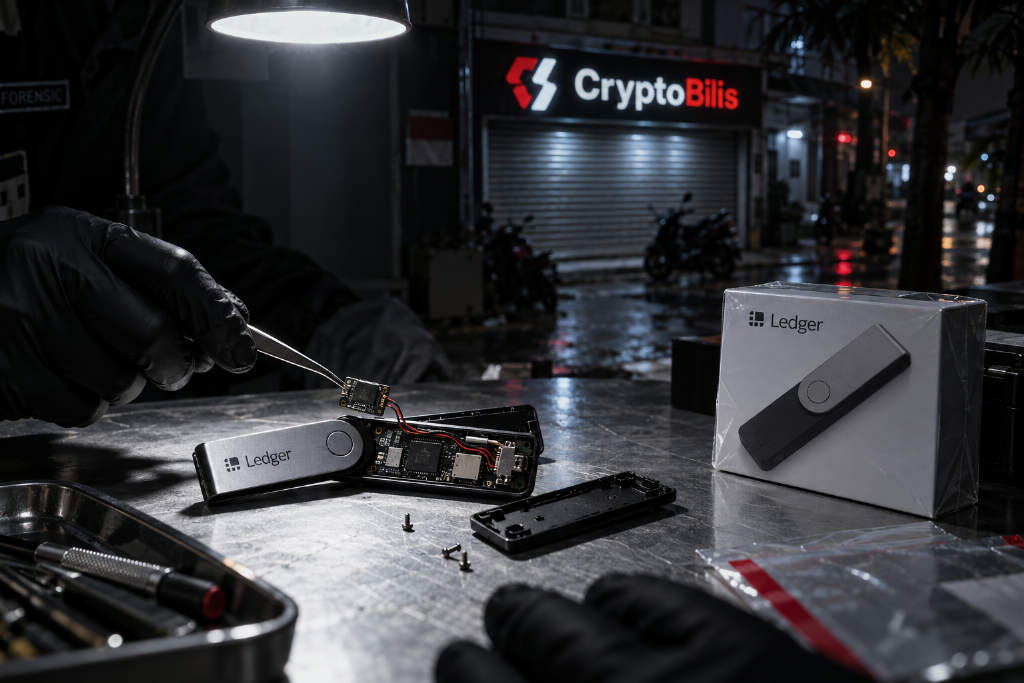
Ledger said on Oct. 9 that it is investigating asset-loss reports involving users in Southeast Asia who bought devices through reseller CryptoBilis, a company identified by The Block as an official Ledger distributor in Indonesia, Malaysia and the Philippines. On-chain investigator Specter estimated the losses may exceed $86 million across Bitcoin, Ether and other crypto assets, though that figure has not been independently confirmed. The case has sharpened scrutiny of a basic assumption in hardware wallet security: buying from an authorized seller and passing a Genuine Check does not, by itself, prove a device remained untouched throughout manufacturing, shipping and delivery. The discussion intensified after former Mt. Gox CEO Mark Karpelès published teardown findings on Oct. 9 showing a Ledger Nano X that he said appeared to contain a spy component hidden behind the OLED screen. SlowMist partner and chief information security officer 23pds said on Oct. 10 that, in theory, extra circuitry capable of reading screen data could capture a seed phrase and transmit it through LTE or eSIM, while stressing that the attack chain remains hypothetical pending sample analysis and Ledger’s investigation. Ledger said it has asked CryptoBilis to halt sales and shipments and advised users who bought through that channel in the past 90 days not to set up unopened devices, or to move assets to a new Ledger device with a new seed phrase if setup is already complete.
1280
Ledger probes Southeast Asia theft reports tied to CryptoBilis, raising questions over hardware wallet supply-chain security
Ledger
Oct 12, 2026

Ledger says confirmed theft cases in tampering probe trace back to CryptoBilis reseller

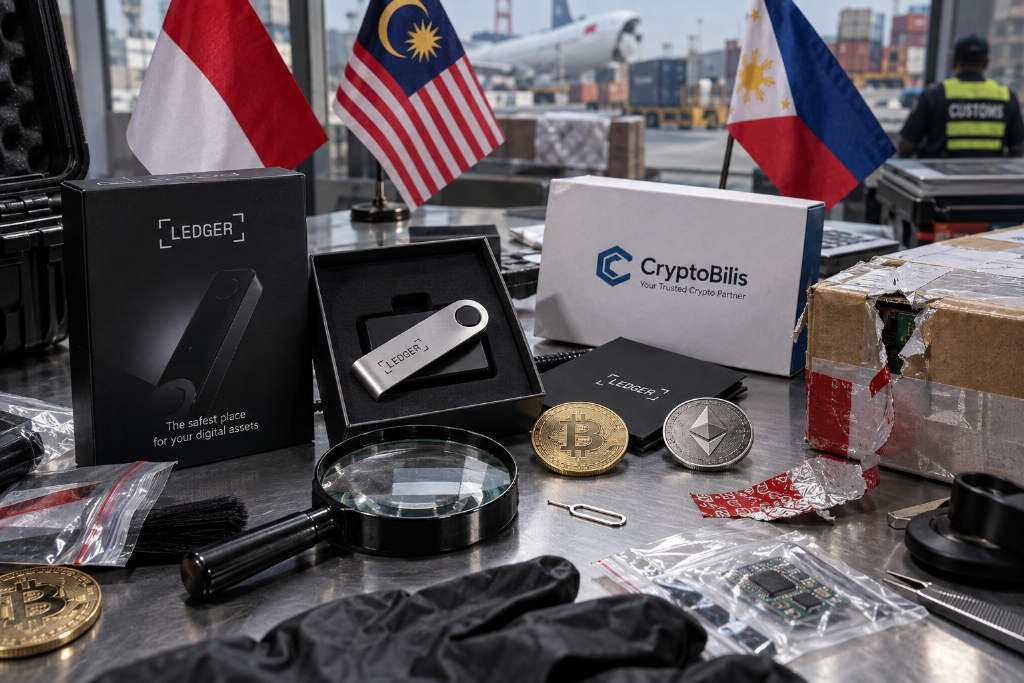
Ledger said in a 72-hour update on its hardware wallet tampering investigation that every confirmed case tied to the Oct. 9 theft disclosures involved devices sold by Southeast Asian reseller CryptoBilis, while Ledger’s own systems and official direct sales channels were not affected. The company said the number of impacted devices is limited, that it is proactively contacting victims, and that it is working with relevant judicial authorities. Ledger also said CryptoBilis has confirmed a full halt to its hardware wallet sales business. Earlier analysis from blockchain security firm SlowMist said the incident involved malicious hardware modules inserted into devices to capture and transmit seed phrases when users entered them. Industry discussion cited in the report pointed to Ledger Nano X and Flex models as potentially involved through the CryptoBilis channel. Ledger urged users who bought through CryptoBilis not to power on uninitialized devices, and told those who had already set up and used affected wallets to move assets immediately to a new device secured with a fresh recovery phrase purchased through official Ledger channels.

3730
Ledger says confirmed theft cases in tampering probe trace back to CryptoBilis reseller
Ledger
Oct 12, 2026

Ledger confirms hardware implant in tampered wallet sold by Malaysian reseller after ownership change

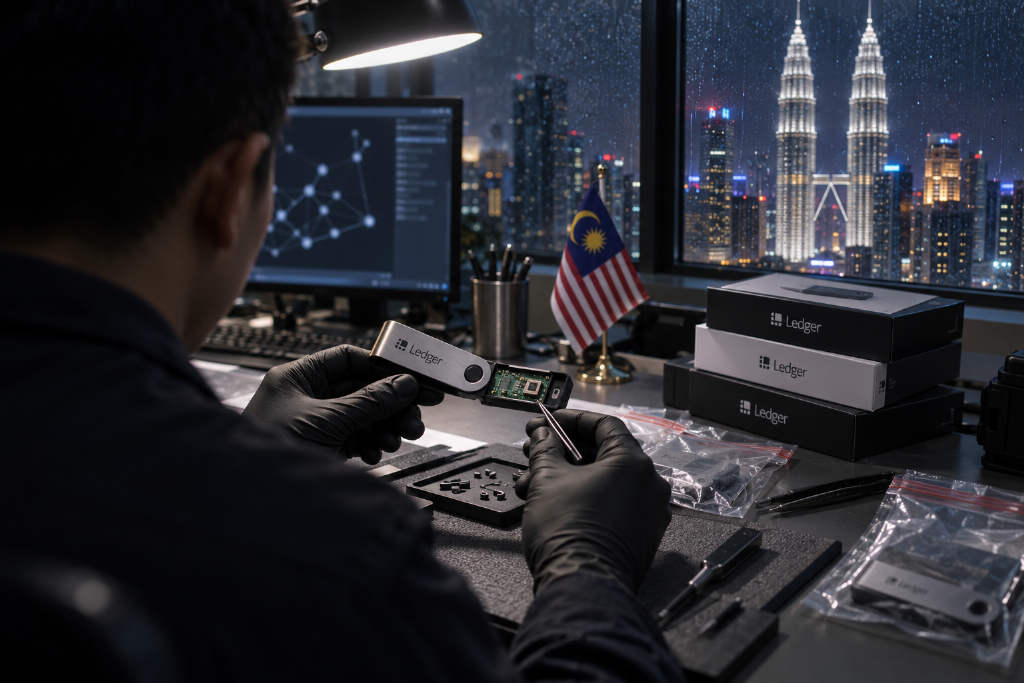
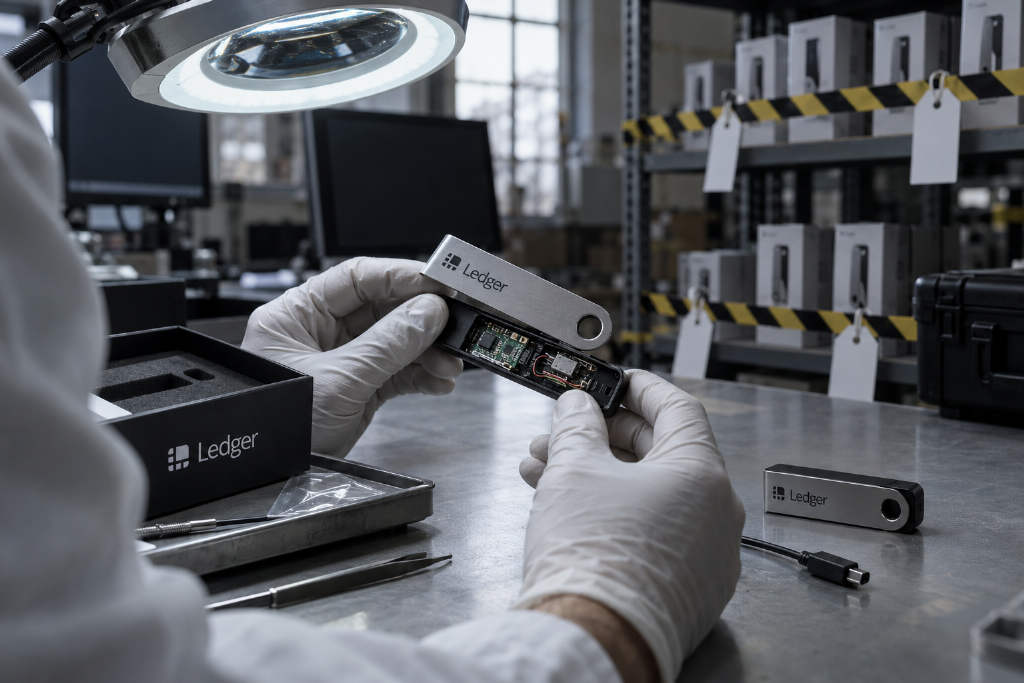
Ledger has confirmed that at least one hardware wallet sold by Malaysian reseller CryptoBilis contained an unauthorized hardware implant, marking the first time the company has publicly acknowledged physical tampering of a device. The update, posted by Ledger Support on Oct. 10 U.S. Eastern Time, said the company is contacting affected users, working with law enforcement, and had assistance from white-hat security group SEAL 911. CryptoBilis has stopped selling all hardware wallet inventory until the investigation is complete. Ledger said it has not found evidence that its own security infrastructure, systems, or services were breached, and it did not confirm whether the implant is tied to all theft cases or whether other units were modified in the same way. The company advised users who bought devices from the reseller not to initialize unopened wallets, and said those who already set up affected devices should consider moving assets to another Ledger device created with a new recovery phrase. Estimated losses remain based on blockchain analysis rather than Ledger confirmation. Specter put losses above $86 million, while Bitquery later estimated $93.2 million stolen from 315 wallets across TRON, Bitcoin, Ethereum, BNB Chain, Polygon, and Solana. Separately, former CryptoBilis co-founder Arravind Prabu said the company had been sold in March and that the prior team was bound by a confidentiality clause until Oct. 19.

1940
Ledger confirms hardware implant in tampered wallet sold by Malaysian reseller after ownership change
Ledger
Oct 12, 2026

Ledger says confirmed hardware implant cases all trace to CryptoBilis devices

Ledger said in a 72-hour update on its hardware implant attack investigation that the number of affected devices is limited and that it has already contacted impacted users. The company said every confirmed case tied to the theft incident disclosed on Oct. 9 involved devices sold by Southeast Asian reseller CryptoBilis. Ledger added that its own systems and direct sales channels were not affected, while CryptoBilis has confirmed it has stopped all hardware wallet sales. The wallet maker advised users who bought devices from CryptoBilis not to initialize units that have not yet been set up. Users who already completed setup should move to a new seed, according to the company. Ledger also said users with concerns can contact its official support channels, which are available 24/7. In the same update, the company warned authorized resellers and distributors to source products only through authorized channels and not to put returned devices back on sale. It also reminded customers not to buy from unauthorized sellers and said Ledger will never proactively call, send direct messages, or ask for a 24-word recovery phrase.

1100
Ledger says confirmed hardware implant cases all trace to CryptoBilis devices
Ledger
Oct 11, 2026

Ledger says unauthorized hardware implant attack may have caused more than $86 million in crypto losses

Ledger said on Oct. 11 that an unauthorized hardware implant attack may have led to crypto asset losses exceeding $86 million for affected users. The hardware wallet maker confirmed the incident after earlier reports that some impacted devices contained unauthorized hardware implants. Separately, reseller CryptoBilis has suspended sales of its inventory. The company’s statement ties the potential losses directly to the users affected by the hardware tampering incident. No further details were disclosed in the brief update. The development follows Ledger’s earlier confirmation that compromised devices existed among affected users, while CryptoBilis moved to halt inventory sales in response.

1090
Ledger says unauthorized hardware implant attack may have caused more than $86 million in crypto losses
Ledger
Oct 11, 2026

Analyst flags 23 possibly risky Ledger resellers after CryptoBilis security incident

Crypto analyst Darkfost said community discussions following the security incident involving Ledger reseller CryptoBilis have surfaced other potentially related reseller names, including some merchants on Lazada. He said the full scope of the incident is still unclear. While Ledger has confirmed a link to the CryptoBilis case, it remains uncertain whether CryptoBilis is the only affected reseller. Darkfost compiled a list of potentially risky Ledger resellers covering 23 suppliers in total, arguing that their geographic proximity could mean the supply chain was compromised at the same time. He stressed, however, that this remains speculation and has not been confirmed. For users who bought Ledger devices from the named resellers within the past six months, Darkfost suggested considering moving assets to other secure devices until the investigation is complete. He also pointed users to a guide published by security researcher MagicalTux to check whether their Ledger devices show signs of tampering.

1380
Analyst flags 23 possibly risky Ledger resellers after CryptoBilis security incident
Ledger
Oct 11, 2026

Ledger says probe found malicious hardware implant inside tampered wallet

Ledger said in an investigation update released on Oct. 10 that it found maliciously inserted hardware inside the device of an affected user, marking the first concrete evidence of physical tampering uncovered in the company’s ongoing probe into a security incident tied to its authorized Southeast Asian reseller CryptoBilis. As a precaution, Ledger said CryptoBilis has halted sales of all hardware wallets until the investigation is complete. The company also said it is contacting affected users and working with law enforcement to identify those responsible. On the same day, former Mt. Gox CEO Mark Karpelès wrote on X that he had independently confirmed the existence of the hardware tampering from images provided by users and had already removed a suspicious component for analysis. The development was reported by U.Today.

940
Ledger says probe found malicious hardware implant inside tampered wallet
Ledger
Oct 11, 2026

Ledger supply-chain scare hits users who wrote down seed phrases and locked them away

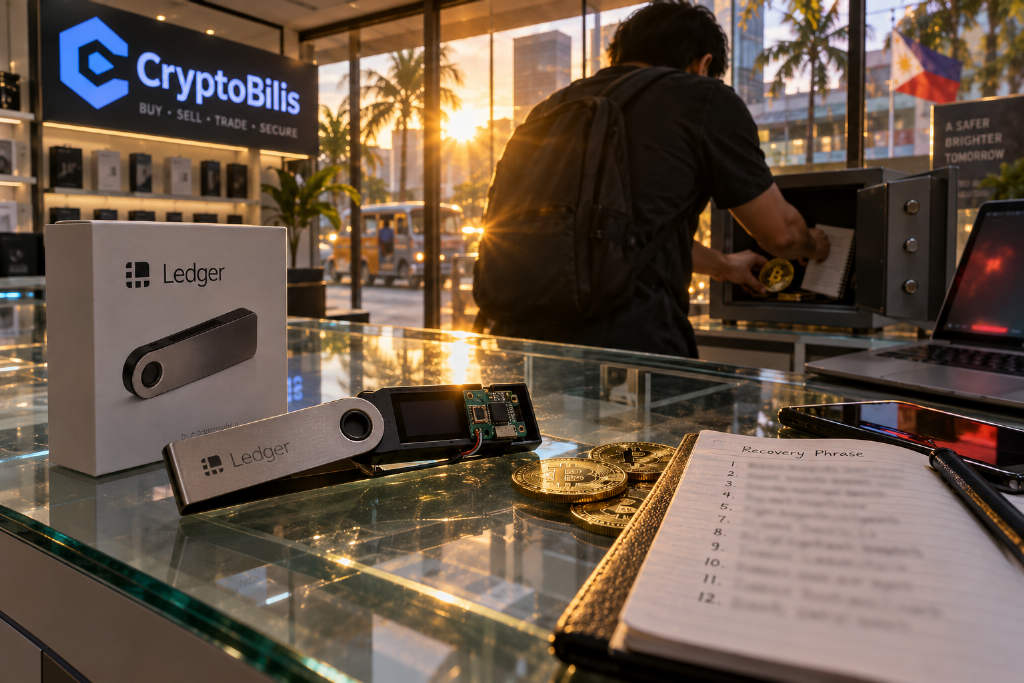
A growing set of reports tied to Southeast Asian reseller CryptoBilis has put Ledger hardware wallets at the center of a possible supply-chain attack. Victims say they followed the usual playbook: buying through an officially authorized reseller, generating a new seed phrase, writing it down by hand, and locking it in a safe. Even so, funds were later drained. Ledger said on Oct. 9 that it was investigating, asked CryptoBilis to halt all Ledger sales and shipments, and urged customers who bought devices through that channel within the past 90 days not to initialize unopened units and to move assets immediately if the wallets were already set up. On-chain researchers have estimated losses at more than $86 million, with some counts nearing $93 million across Bitcoin, Ethereum and Tron addresses. One theory, based on teardown findings described by former Mt. Gox CEO Mark Karpelès and technical comments from SlowMist CISO 23pds, is that some devices may have been modified with a hidden microcontroller connected to the screen data line, allowing attackers to capture seed words as they appeared on the display and exfiltrate them through LTE or eSIM hardware. The case has revived a broader question for self-custody: the strongest chip protections may not help if the device is compromised somewhere between the factory and the customer’s door.

1130
Ledger supply-chain scare hits users who wrote down seed phrases and locked them away
Total 48 items
Go topage