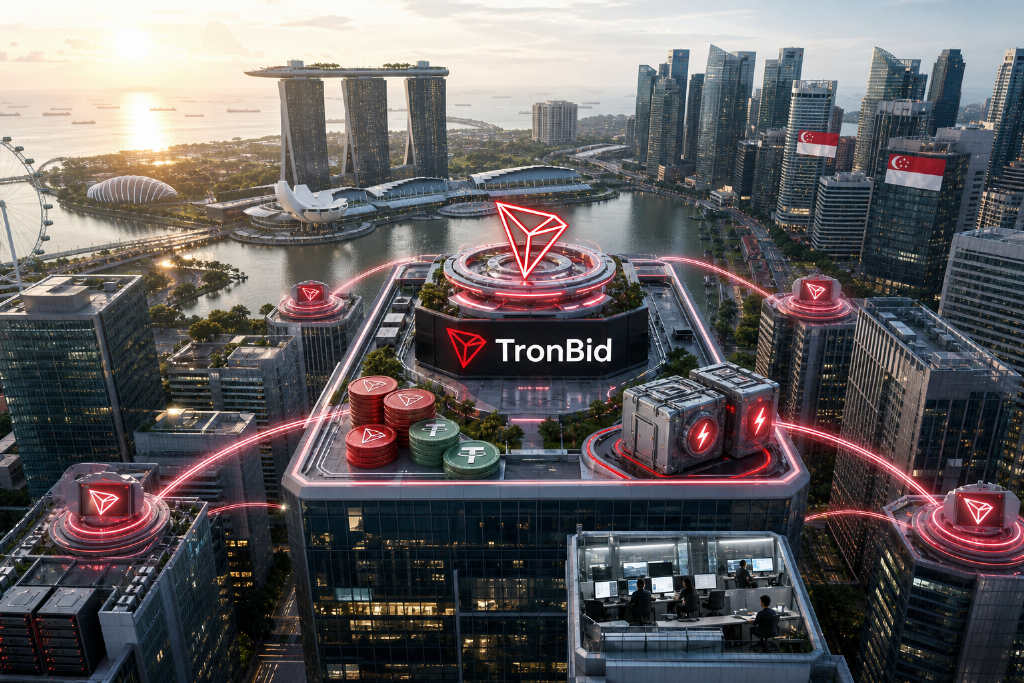
TronBid, a peer-to-peer marketplace for Tron network resources, has rolled out a platform upgrade that adds new tools aimed at helping users control transaction costs without staking large amounts of TRX to obtain network resources.
The platform now operates a two-way marketplace where both buyers and sellers can post listings for Tron Energy and Bandwidth.
Energy is a core resource for Tron transactions
On the Tron network, Energy and Bandwidth are the two core network resources. Energy is required to execute smart contract operations, including TRC-20 USDT transfers.
When a wallet does not have enough Energy, the system consumes TRX to make up the resources required for a transaction. That has created demand for Energy rentals from both individual users and businesses.
Users can obtain temporarily delegated Energy from other accounts and complete eligible Tron on-chain transactions without staking enough TRX to cover peak resource consumption. For companies that process TRC-20 transactions at high frequency, renting Tron Energy is presented as another way to manage network spending and reduce USDT transfer fees.
Both sides can define listing terms
TronBid said some rental platforms leave all trading terms to resource providers, while its marketplace allows both sides of a trade to create their own listings.
Buyers can place bid orders and set the amount of Energy they need, the rental duration and the price they are willing to pay. Sellers can publish ask orders and define the resource amount, quote and rental term on their own. Buyers can then take an order directly and purchase all or part of the listed resources.
The article gives one example: if a seller lists 600000 units of Energy for rent, a buyer may rent only 350000 units, and the remaining Energy can stay available for other buyers.
Creating a sell order does not lock a seller’s Energy resources. If those resources are used elsewhere and become temporarily unavailable for external rental, recurring listings are automatically paused. Once the seller’s Energy balance is sufficient again, the listing is reactivated. The mechanism is designed to let sellers participate in the TronBid market while continuing to manage their network resources in other scenarios.
Quick Rent and Flash Recharge added
For users who need resources immediately, TronBid has launched a Quick Rent feature with preset Energy packages and support for short rental periods.
Energy can be delegated directly to any designated Tron address, even if payment is made from a different wallet.
The platform has also introduced Flash Recharge for wallets that already hold some Energy but need to replenish resources that have been consumed.
Marketplace covers both Energy and Bandwidth
TronBid supports trading in both Energy and Bandwidth. TRX stakers can monetize the network resources generated by their stake by offering them in the marketplace.
According to the platform description, this creates a full market loop: users who need to rent Tron Energy or Bandwidth on one side, and resource holders who want to monetize idle resources on the other. Both buyers and sellers can set their own trade terms, which TronBid says should help prices form more transparently around actual supply and demand.
B2B API targets high-frequency Tron businesses
TronBid also offers a B2B Quick Rent API for exchanges, payment service providers, wallets, over-the-counter trading platforms and other businesses with high-frequency Tron-based operations.
Companies can preload balances and automatically request Energy for designated Tron addresses before initiating transactions. That allows firms to integrate Energy rental directly into their underlying transaction systems instead of renting resources manually for each transfer.
For businesses handling large volumes of TRC-20 USDT transfers, the setup is intended to automate Energy rentals and make network-resource costs easier to manage.
Becomes a Tron Super Representative partner
Alongside the marketplace upgrade, TronBid said it has officially become a Tron Super Representative, or SR, partner and joined Tron’s delegated proof-of-stake governance ecosystem.
The company said the partnership strengthens its connection with Tron’s base-layer ecosystem and that it will continue building supporting infrastructure around Energy and Bandwidth.
How TronBid describes the platform
TronBid describes itself as a peer-to-peer trading marketplace for Tron Energy and Bandwidth. Buyers can either create bid orders or purchase sellers’ existing listings directly, while resource holders can publish sell orders with custom pricing and rental periods.
In addition to marketplace trading, the platform offers Quick Rent, Flash Recharge and an enterprise-focused B2B API to help businesses automate Energy rentals and lower TRC-20 USDT transaction fees.