
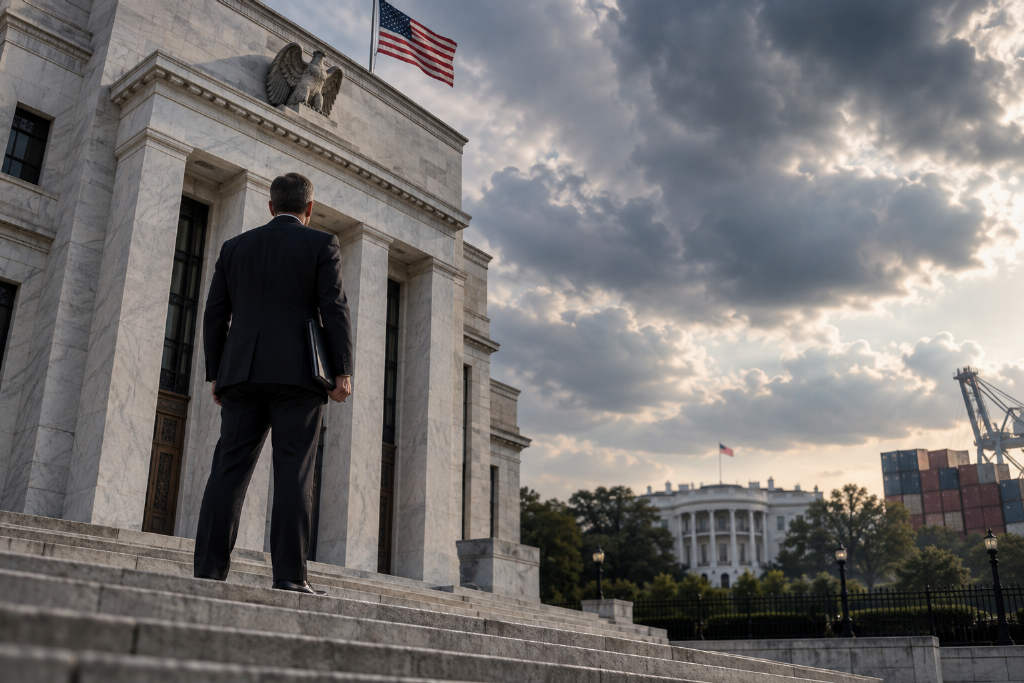
President Donald Trump renewed his public pressure campaign on the Federal Reserve after strong August jobs data, but Reuters columnist Mike Dolan says the outburst may have handed Fed Chair Kevin Warsh an unexpected opening to strengthen his standing by moving rates higher this month.
Trump turned from upbeat jobs numbers to fresh demands for lower rates
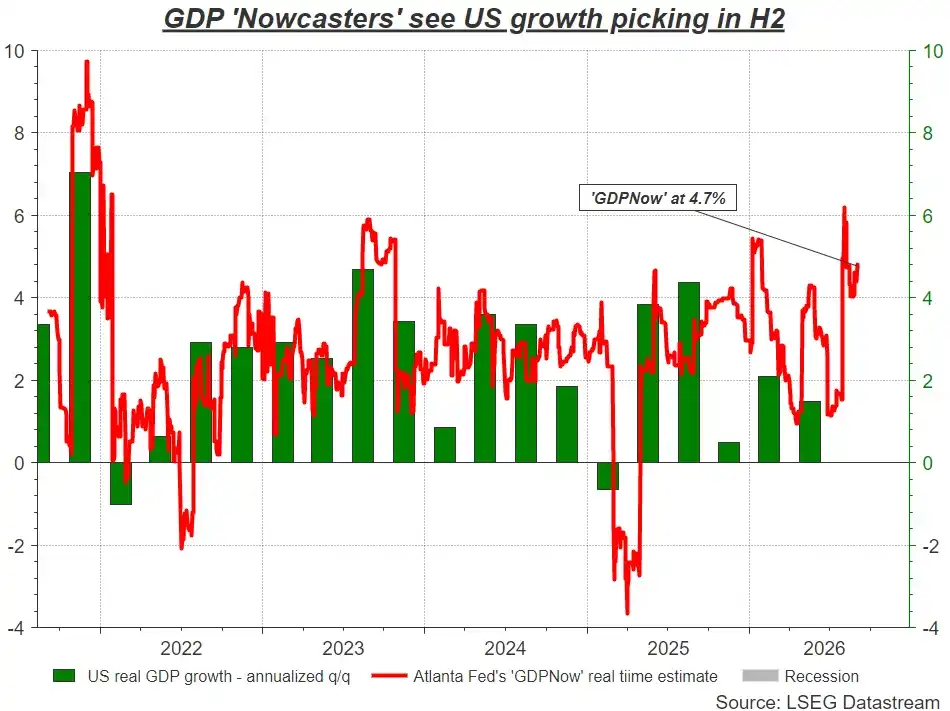
Dolan wrote that last Friday should have been a reasonably good day for Trump on the economy. U.S. payroll growth in August came in at three times the expected pace, and part of the summer’s labor-market weakness was revised away. Diesel prices hit a record high earlier in the day, which could add upward pressure to inflation, yet wage growth in the employment report was moderate enough to support the case for waiting until this Friday’s inflation reading, with the next Federal Reserve meeting only days away.
Trump, the column noted, needs favorable economic news. With the midterm congressional elections two months away, his overall approval rating is still at the low end of his two terms, and 71% of Americans, including four in ten Republicans, disapprove of his handling of living costs.
Instead of leaning into the stronger August employment figures, Trump quickly shifted to attacking the Fed and telling the central bank what it should do. On Truth Social, he wrote: 「High interest rates put the U.S. at a very unfair disadvantage, and I will not let that happen!」 He also praised Warsh as 「great」 and added: 「We should have the lowest interest rates anywhere in the world ... if they don’t cut, I will stop trade with countries we run deficits with.」
The Reuters column says the argument does not hold up
Dolan’s point is straightforward: the argument does not make sense on its own terms. Even commentators generally supportive of Trump either did not examine the logic closely or ignored it altogether. That lack of market response stood out, especially because investors have spent the past 18 months worried about the president leaning on the central bank politically, including through appointments that might force policy compliance.
Trump has repeatedly called for large rate cuts in his second term and threatened to fire Warsh’s predecessor, Jerome Powell, for not delivering them, according to the column. He has also questioned why the United States, given its economic strength, should not have the lowest rates in the world. Dolan noted that most economists would reject that premise because fast growth and overheating usually push borrowing costs higher, not lower, once inflation pressure is taken into account.
The broader backdrop also cuts against a rate cut now. Core inflation has remained above the Fed’s 2% target for 65 consecutive months, growth is accelerating, financial conditions are loose, and full employment has effectively been reached. Dolan wrote that almost no one thinks the Fed should be cutting rates in the current setting. Even those who see a September rate hike as slightly premature do not argue for easing now, and futures markets are pricing the odds of a September hike at more than 50%.
Tying rate cuts to trade threats raised more confusion than market stress
Even if one accepts the call for lower rates, Dolan argued, linking Fed hesitation to a threat to stop trade with foreign countries left many commentators and investors wondering whether the president understood the basics.
The post may simply have been a hurried attempt to build momentum for the latest phase of Trump’s tariff offensive. But even then, the economics remain awkward. Deliberately choking off imports through tariffs or executive action could weaken foreign economies and possibly push those countries toward lower rates, while also lifting import prices inside the United States. That would not give America the world’s lowest interest rates.
The muted response in financial markets may reflect growing investor skepticism toward Trump’s more outlandish online claims. Dolan cited a recent example in which Trump said Iran’s Kharg Island oil hub had been 「blown to pieces,」 a claim that was later shown to be false.
Warsh may have a chance to show he is not the White House’s puppet
Dolan then turns to Warsh’s position. Since taking office in May as Trump’s appointee to lead the Fed, Warsh has had difficulty establishing his own credibility while concern about political pressure from the White House has persisted. At the same time, Dolan wrote that Warsh sounded noticeably hawkish in his recent Jackson Hole keynote speech.
A rate increase now, in that framing, would do more than tighten policy. It would highlight the Fed’s commitment to its inflation target regardless of how small the change in this week’s consumer-price trend might be. It would also signal that Warsh is in control at the central bank and help him create visible distance from the president.
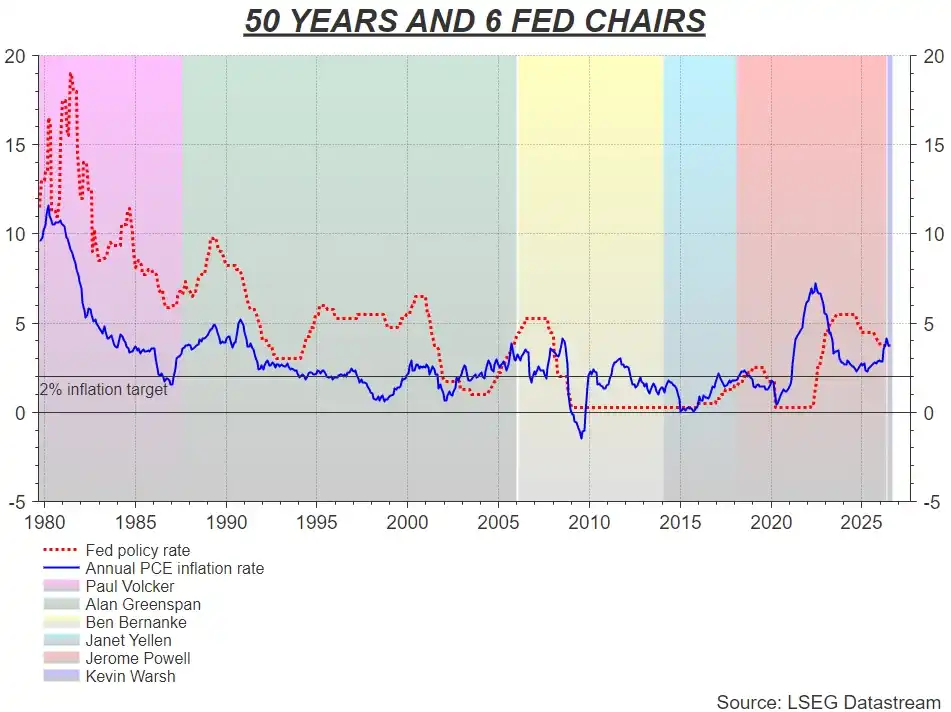
Dario Perkins, an economist at TS Lombard, wrote: 「A 25bp hike would be great PR. It would kill this credibility narrative and end months of speculation about whether Warsh is a puppet.」 Perkins also said that in the past 50 years, only Janet Yellen did not raise rates within her first two months as Fed chair.
The column frames the tradeoff as credibility versus the cost of a quarter-point hike
Dolan argued that if the public comes to believe the Fed and its current chair are being intimidated by a White House whose view is 「hard to explain,」 the damage from that perception would outweigh any downside from a 25-basis-point increase.
He added that a hike now might even help bring down long-term borrowing costs by reaffirming the Fed’s anti-inflation credibility and taking some pressure off Treasury Secretary Scott Bessent. In his telling, long-term rates may matter more to the economy than the policy rate itself.
Perkins put the point even more bluntly: 「Warsh will have real credibility when Trump starts calling him an idiot.」
For now, Warsh still appears to be 「great」 in Trump’s view. But Dolan noted that it took only a year for Trump to go from praising Powell as 「a man of great talent」 to branding him as someone who 「knows nothing」 once rates kept rising. That leaves Warsh facing a consequential decision, even if it angers the man who appointed him.
The article states that the views expressed are those of Reuters columnist Mike Dolan alone.