
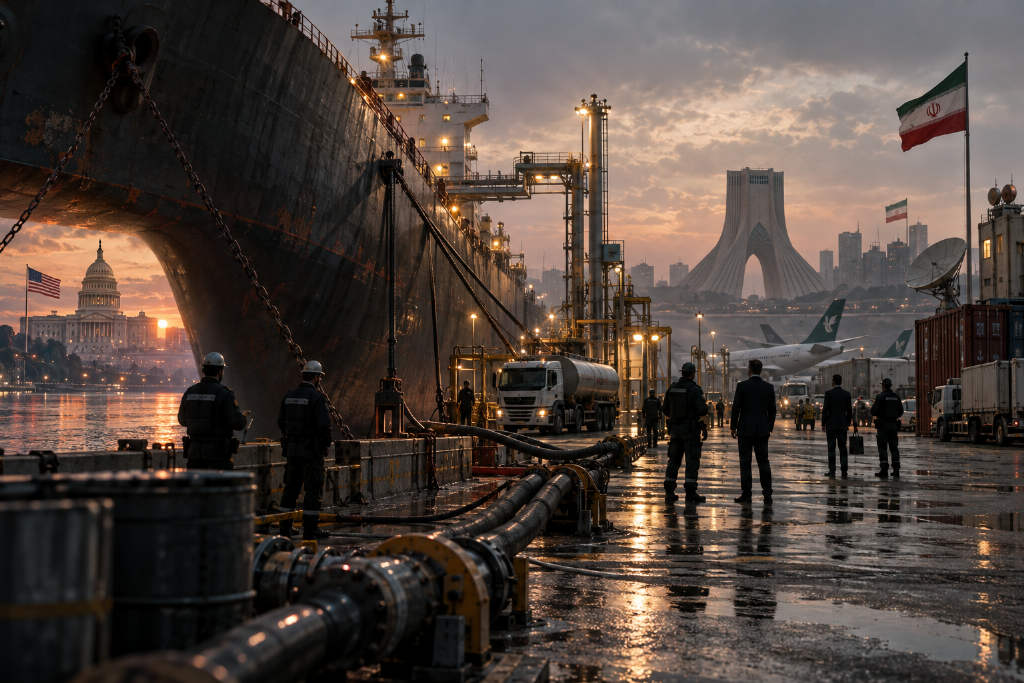
On Oct. 9, BlockBeats reported, citing The Washington Post, that the Trump administration is reassessing the timetable for its economic pressure campaign against Iran. Stronger sanctions and port blockades have not forced Tehran to accept U.S. negotiating terms, and Washington is increasingly accepting that the effort could last for months or longer.
The campaign is moving away from a quick result
The report said the U.S. "economic exile campaign" against Iran is shifting from a short-term push to a longer war of attrition. Treasury Secretary Bessent had previously expected Iranian airlines to be forced to stop international operations by the end of September, but that target has not been met.
Oil revenue has not been fully cut off
Although the U.S. blockade has sharply reduced Iran’s new oil exports, Iran is still selling crude from cargoes shipped earlier. Data cited by Reuters showed that about 20 million barrels of Iranian oil remain outside the blockade area. Kpler data also showed that Iran is still able to move about 250,000 barrels of oil per day across land borders.
Washington plans broader action on finance and shipping
In the next phase, the United States plans to expand pressure on Iranian banks, airlines, oil tankers, and intermediary networks. It is also pressing foreign financial institutions, warning that transactions with Iran could expose them to secondary sanctions.
At the same time, the U.S. is trying to limit Iran’s ability to evade sanctions through shadow fleets, ship-to-ship transfers, and trade routed through third countries.
No concession yet on core issues
So far, the economic pressure has not translated into Iranian concessions on core issues including its nuclear program. Tehran continues to demand that the U.S. lift the port blockade, ease oil sanctions, and release frozen assets.
The current U.S. view is that if it keeps squeezing Iran’s oil income and access to international finance, time will gradually shift in Washington’s favor. But a prolonged blockade also carries higher military spending, shipping risk, and costs for energy markets.