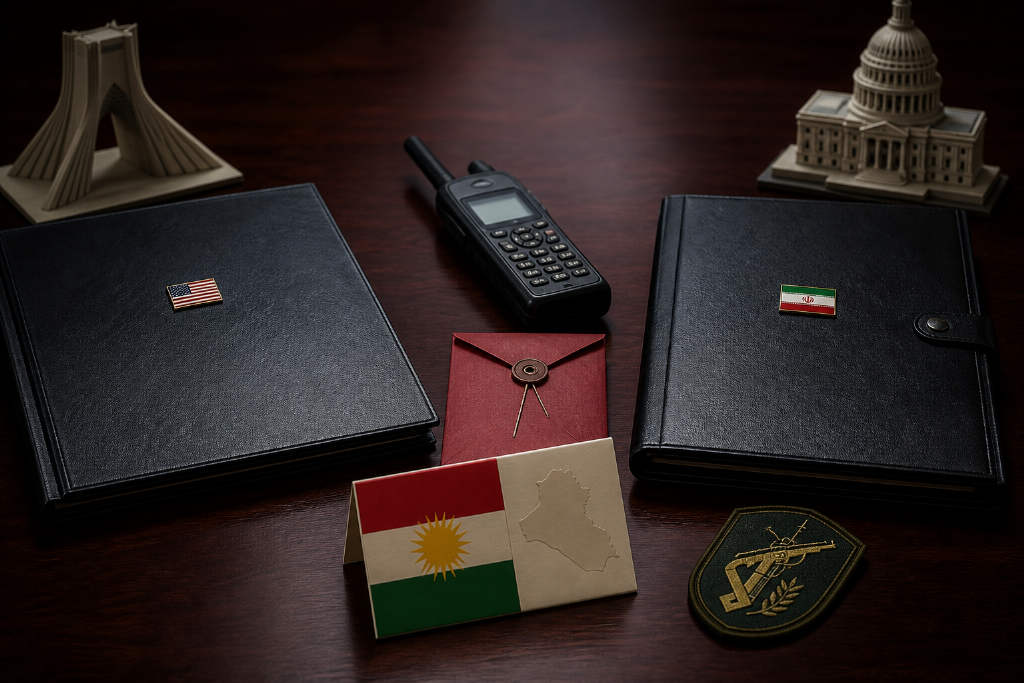
Axios, citing three people familiar with the matter, reported that U.S. negotiators ran into a basic problem in mid-May while trying to reach an agreement with Iran to end the war: they could not tell whether the Iranian officials across the table actually spoke for the Islamic Revolutionary Guard Corps, a power center with major influence inside the country. According to the report, that uncertainty led Trump administration officials to take an unusual step and open direct contact with senior IRGC figures instead of relying only on Iran’s formal negotiators. The person chosen to handle the secret backchannel was Nechirvan Barzani, president of Iraq’s Kurdistan Region, who the report said was trusted by both Washington and the IRGC leadership. Axios said the episode highlighted a core obstacle in U.S.-Iran diplomacy, namely Washington’s inability to determine who truly holds decision-making power in Iran. The two sides eventually reached a memorandum of understanding, but the arrangement quickly fell apart.
Odaily reported that Axios, citing three people familiar with the matter, said U.S. negotiators faced a central problem in mid-May as they tried to strike an agreement with Iran to end the war: they could not determine whether the Iranian representatives at the table actually spoke for the Islamic Revolutionary Guard Corps, which holds substantial influence in the country.
According to the report, officials in the Trump administration responded with an unusual move. They bypassed the Iranian negotiators and established direct contact with senior IRGC officials.
The U.S. side chose Nechirvan Barzani, president of Iraq’s Kurdistan Region, to manage the secret communication channel. Axios said Barzani had a rare advantage, with the trust of both the United States and the IRGC leadership.
The report said the episode showed why negotiations between Washington and Tehran were so difficult. A key issue was that the United States could not determine who actually held decision-making authority in Iran.
Axios also said the United States and Iran eventually reached a memorandum of understanding, but it quickly collapsed.
This article was originally published by Bit.Fan. For more cryptocurrency news and market insights, visit www.bit.fan. Disclaimer:
The market information, project data, and third-party content displayed on this platform are for industry information sharing only and do not constitute any form of investment advice or return commitment.
Cryptocurrency trading carries high risks. Users should fully assess their risk tolerance and make independent decisions. All profits, losses, and legal responsibilities are borne by the users themselves.