Trump Rejects Seven-Day Ceasefire Proposal as Iran Signals Willingness to Advance Talks

Trump Rejects Seven-Day Ceasefire Proposal as Iran Signals Willingness to Advance Talks

N
News Editor
2026-09-26 01:00:06
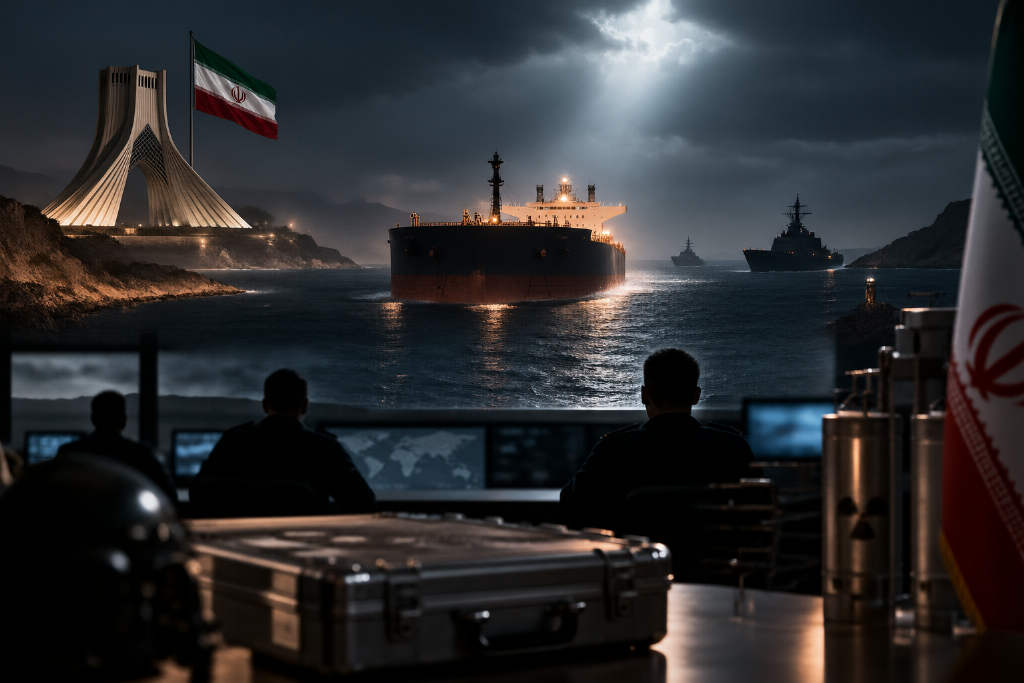
The latest developments in the Middle East point to a fragile and highly contested diplomatic track. According to The Wall Street Journal, U.S. officials said President Donald Trump rejected a seven-day ceasefire proposal put forward by Iran and told aides he expects to resume bombing Iran after the U.S. midterm elections in November. Officials familiar with the matter also said Washington has informed both Iran and mediators that Trump does not intend to lift the maritime blockade. Iran’s foreign minister said the Strait of Hormuz could be reopened within seven days if certain conditions are met, adding that the waterway would reopen if the U.S. accepts the seven-day plan. A U.S. official said Washington is holding active and constructive discussions with Iran through intermediaries, with communication on nuclear issues still ongoing. Al Jazeera reported that the talks had entered a technical consultation stage, but Iran’s Fars News, citing an Iranian source, said that report was "not true." Iran’s president said he supports restoring a memorandum of understanding to create conditions for substantive negotiations, and added that Iran does not want nuclear weapons and is willing to move talks with the U.S. forward. At the same time, a senior Iranian official said Tehran would not make concessions on its nuclear program even if Washington accepts the Strait of Hormuz reopening plan.

BlockBeats reported on Sept. 26 that several new developments emerged around the Middle East situation.

Trump rejects Iran's seven-day ceasefire proposal

According to The Wall Street Journal, U.S. officials said President Donald Trump has rejected a seven-day ceasefire proposal from Iran and told aides he expects to resume bombing Iran after the U.S. midterm elections in November.

Officials familiar with the matter also said the United States has informed Iran and mediators that Trump does not intend to lift the maritime blockade.

U.S. and Iran remain in contact through intermediaries

Iran's foreign minister said the Strait of Hormuz could be reopened within seven days, subject to certain conditions. If Washington accepts the seven-day plan, the strait would be reopened, he said.

Commenting on the "seven-day plan," a U.S. official said Washington is engaged in active and constructive discussions with Iran through intermediaries, while communication on nuclear issues is continuing.

Al Jazeera said the U.S.-Iran talks had entered a technical consultation stage. Fars News, however, cited an Iranian source as saying that report was "not true."

Iranian president backs conditions for substantive negotiations

Iran's president said he supports restoring a memorandum of understanding, which he said would create conditions for substantive negotiations.

He also said Iran does not want nuclear weapons and is willing to advance talks with the United States.

A senior Iranian official separately said that even if the U.S. accepts Iran's proposal to reopen the Strait of Hormuz, Iran will not make concessions on its nuclear program.

Hormuz traffic falls to single digits

Preliminary data showed that commercial vessel traffic through the Strait of Hormuz has fallen to single digits.

A U.S. official said Washington and Tehran are holding active discussions through mediators, and that nearly 40 million barrels of crude oil pass through Hormuz.

Pakistan's prime minister called for both the Strait of Hormuz and the Bab el-Mandeb Strait to remain open.

This article was originally published by Bit.Fan. For more cryptocurrency news and market insights, visit www.bit.fan.
3000

Disclaimer:

The market information, project data, and third-party content displayed on this platform are for industry information sharing only and do not constitute any form of investment advice or return commitment.

Cryptocurrency trading carries high risks. Users should fully assess their risk tolerance and make independent decisions. All profits, losses, and legal responsibilities are borne by the users themselves.