


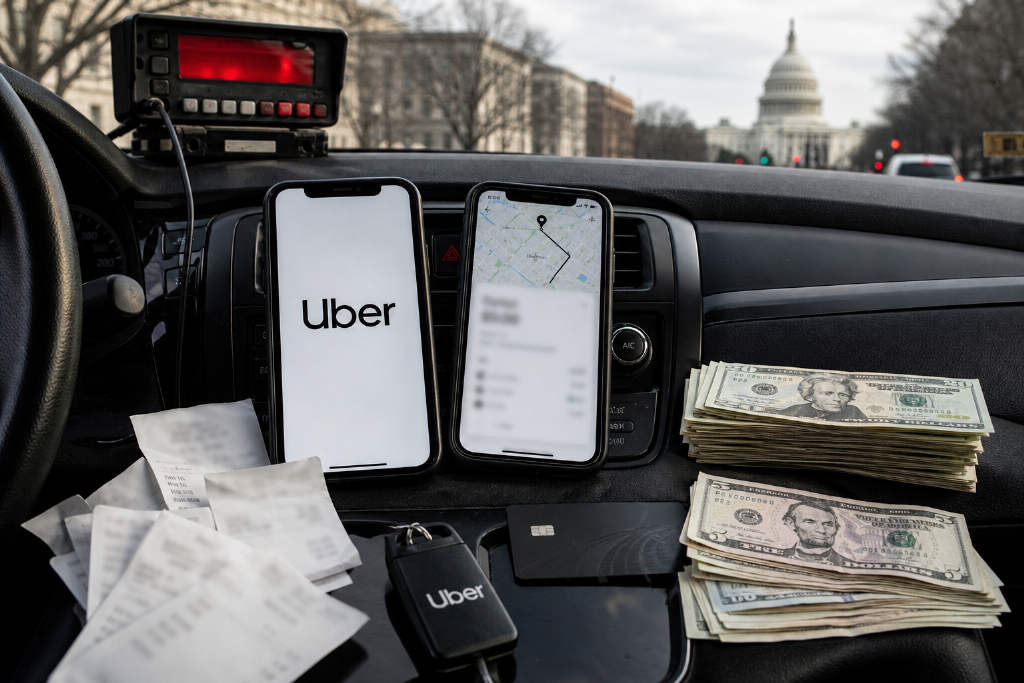
Uber riders have increasingly noticed higher fares, and a recent Business Insider investigation points to the company’s AI-based pricing system as a major reason. Using the same pickup and drop-off points in the app, the publication’s editors found that Uber’s Upfront Pricing model now plays a central role in setting both rider fares and driver compensation.
How Uber’s upfront pricing works
Uber’s fare model has shifted sharply from its earlier structure, which resembled a taxi meter with a base fare plus fixed per-mile and per-minute rates. Under that older setup, dynamic pricing was mainly used during periods of peak demand.
The newer system calculates a price before a rider confirms a trip. It draws on estimated travel time, the distance between pickup and destination, route-specific conditions, current demand patterns, tolls, taxes, and other added costs to produce a final fare for that ride.
Claims of price discrimination
Lynn Sherman of Columbia Business School and other analysts cited in the report said the algorithm may effectively carry out price discrimination. In their view, the system is built to estimate the highest price a passenger is willing to pay while also finding the lowest level of compensation a driver is willing to accept.
Multiple tests found that different users could receive notably different quotes for the same ride at the same time and in the same location. Uber has said it does not use personal data for personalized pricing. Even so, New York law requires disclosure of how the algorithm works, and some users reportedly see an in-app notice stating that the price was set by an algorithm using their personal data.
The report also said Uber’s registered patents indicate it has the technical ability to track signals such as typing speed and device angle, raising more questions about the handling of rider data.
Driver earnings and platform take rate
The algorithm’s control over pricing has also intensified frustration among drivers. Alongside rider complaints about paying more, drivers have objected to unstable income and to a newer revenue-sharing structure that they say lacks transparency. Some have described the system as a “digital casino,” saying they do not know how much profit Uber will take from each trip.
The report said Uber’s take rate on some rides has exceeded 50%, a level that materially cuts into drivers’ effective earnings.
This AI-led, profit-maximizing structure is not limited to Uber. According to the report, similar approaches have spread to other ride-hailing platforms including Lyft, reshaping the rules and pay structure of the gig economy.