
BlockBeats reported on Aug. 14 that U.S. Treasury Secretary Bessent said Thursday local time that the Trump administration plans to announce a fresh round of economic measures against Iran next week, seeking to force Tehran to yield by tightening financial pressure.
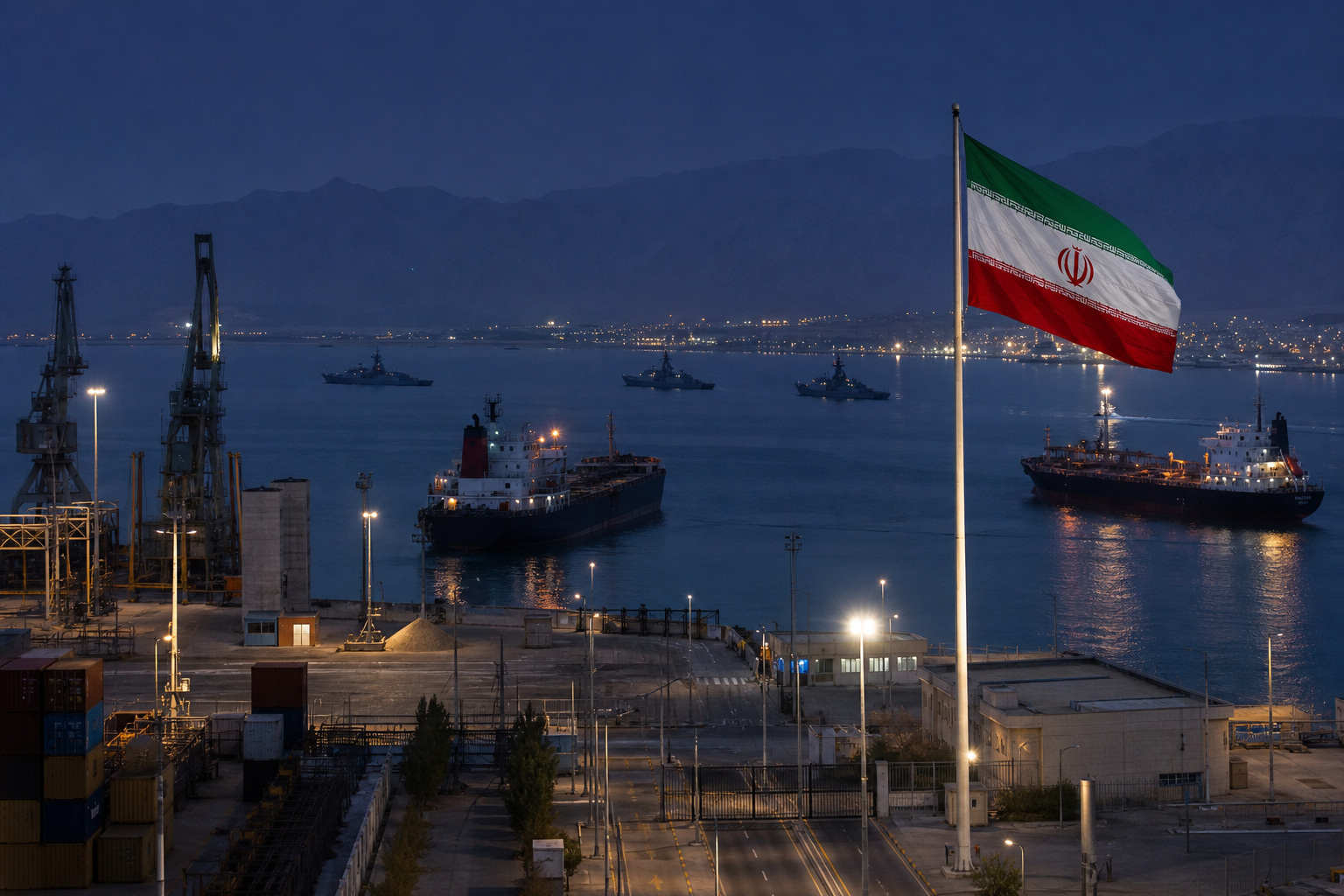
Bessent said the new measures would be paired with the ongoing maritime blockade of Iranian ports, creating what he described as an unprecedented combination of economic isolation and sea blockade. He said the effort would stop any cargo from entering or leaving Iranian ports.
Pentagon says blockade can be maintained for the long term
Also on Thursday, U.S. Defense Secretary Hegseth said the U.S. military has the ability to sustain the blockade over a long period and could keep “such a blockade” in place indefinitely through ship rotations.
Iran keeps its conditions unchanged
Iran has not shown signs of making a full concession. It continues to demand the removal of economic sanctions and the release of frozen assets, while refusing to reopen the Strait of Hormuz before those conditions are met.
Regional tensions keep building
At the same time, the risk of a broader regional conflict continued to rise. The United Arab Emirates said two oil tankers were attacked on Thursday while transiting the Strait of Hormuz and accused Iran of carrying out the attack. Iranian-backed Houthi forces were also reported to have struck Saudi Aramco refining facilities.
IEA lifts estimate for oil supply loss
On the energy side, the International Energy Agency, or IEA, now expects global oil supply to fall by about 4.3 million barrels per day this year, up from an estimate of 3.7 million barrels per day one month earlier.
Based on the current real supply gap of about 5 million barrels per day, the roughly 1.5 billion barrels of inventories managed by the IEA could in theory cover about 300 days. But the approximately 900 million barrels that governments could actually deploy would cover only about 180 days.
U.S. Strategic Petroleum Reserve, or SPR, holdings have meanwhile dropped to their lowest level since 1983. Using an estimated 200 million barrels of practically available inventory, the buffer would last only around 40 days.
Global diesel and jet fuel inventories are also sitting near the low end of their five-year range, adding to market concern that energy supply disruptions could persist.