
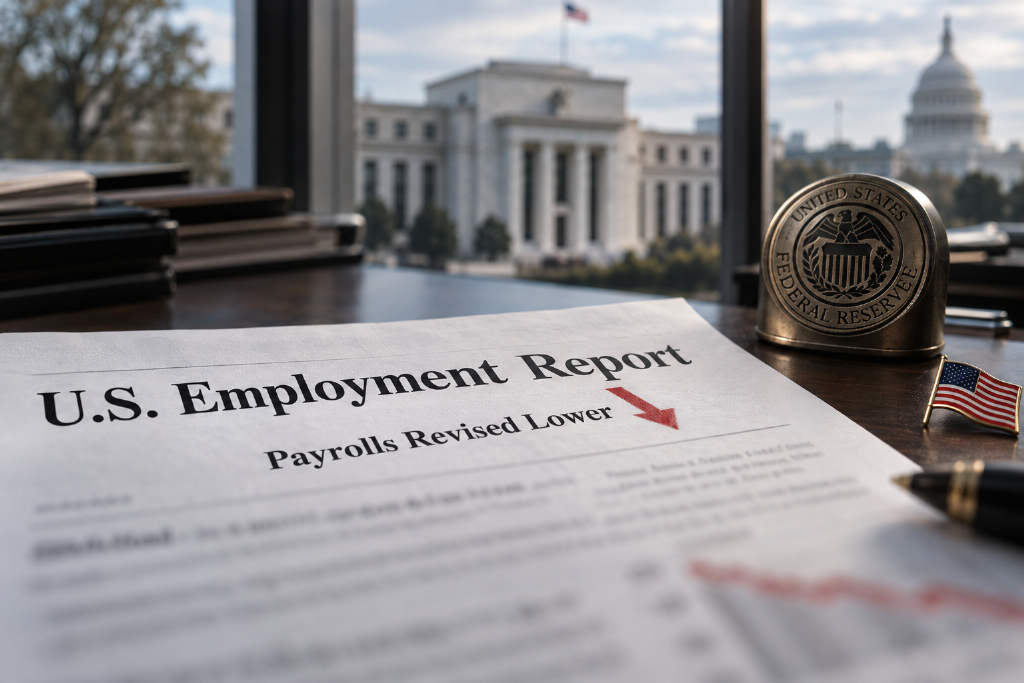
The US Bureau of Labor Statistics (BLS) cut previously reported job gains for July and August by a combined 60,000, a revision that casts doubt on labor-market data cited around the Federal Reserve’s September 16 rate hike, according to Protos.
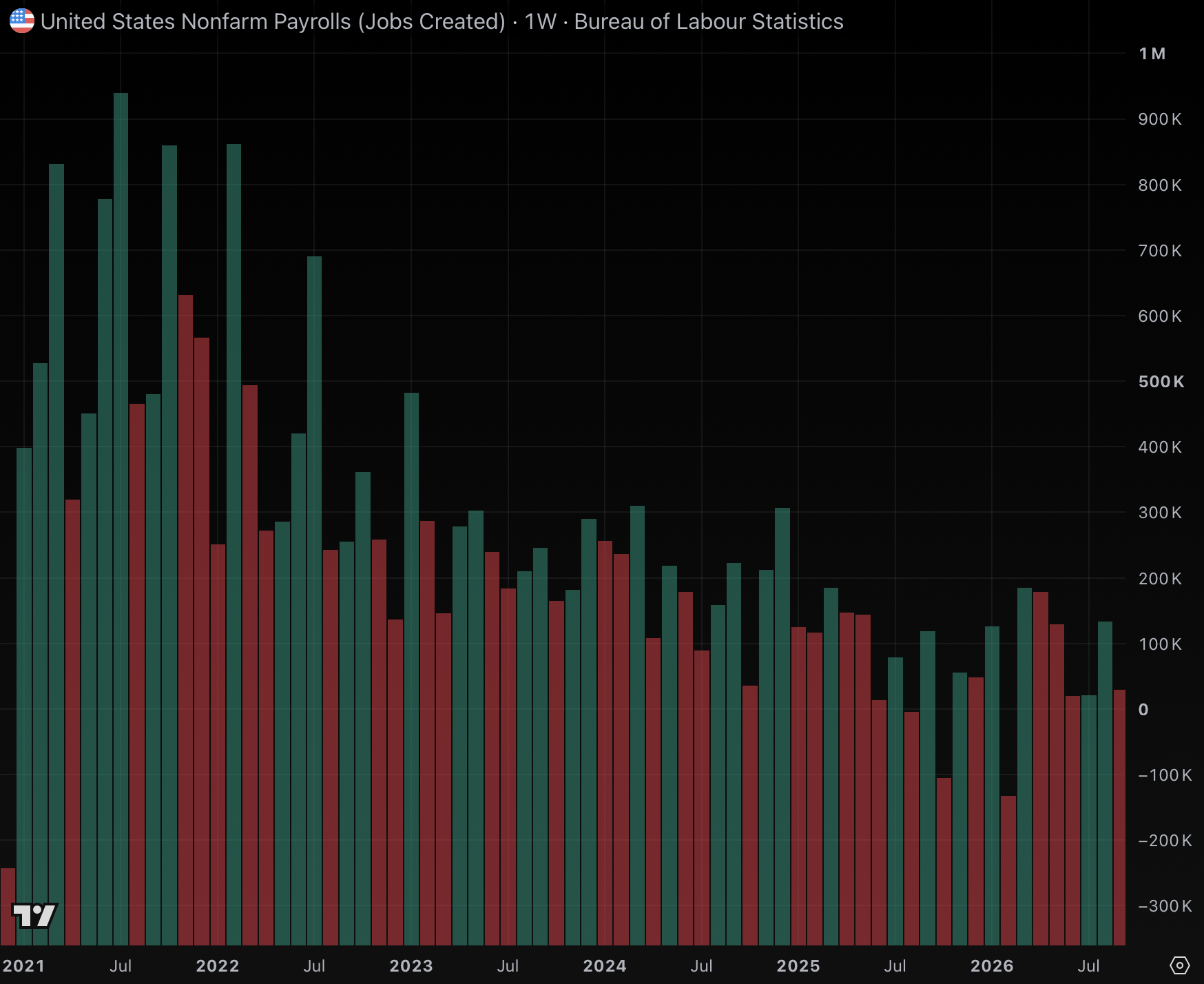
July and August payroll figures were revised down
When the Fed voted in July, the BLS had reported a gain of 21,000 jobs. That figure has now been revised to a loss of 10,000. The bureau also removed 29,000 jobs from its August estimate.
Protos said the earlier, more optimistic numbers were among the factors behind the Fed’s decision to raise its benchmark rate on September 16. The report described that move as the first in three years to make mortgages and credit more expensive, after policymakers concluded that “the labor side of the Fed’s congressional remit is in good shape,” giving them room to focus on slowing inflation.
Fed statements were tied to data later revised
In its September 16 statement, the Fed said, “Job gains have kept pace with the workforce, and the unemployment rate has changed little.”
Warsh also told reporters in September, “Job openings and weekly hours have been increasing.” Protos said that view rested on inaccurate data that suggested the US economy was “largely acting consistent with full employment.”
The report added that the rate of US job creation has been declining for five years.
August strength was described as a rebound
After an initially optimistic August report on job openings, UBS said market odds of a rate hike rose from 50% to 60%. With mortgages and credit already expensive, any continued increase in benchmark rates would push borrowing costs higher.
September data made the picture worse. US employers added only 29,000 jobs, well below a forecast of 84,000, while the unemployment rate rose to 4.2%.
Jefferies’ chief US economist pushed back on any positive reading of that nominal increase, saying, “It appears that the August number was nothing more than a rebound from very weak hiring in June and July.”
Revisions put year-end hike expectations under scrutiny
Financial blog ZeroHedge argued that the Fed would not have raised rates in the first place if it had been working with accurate data.
The BLS said the downward revisions reflected additional business and government reports, along with seasonal recalculations, meaning the lower figures represent more accurate information.
After the September rate increase, 16 of 18 members of the Federal Open Market Committee expected another hike before the end of the year. Following the BLS revisions, that outlook is now under scrutiny.