
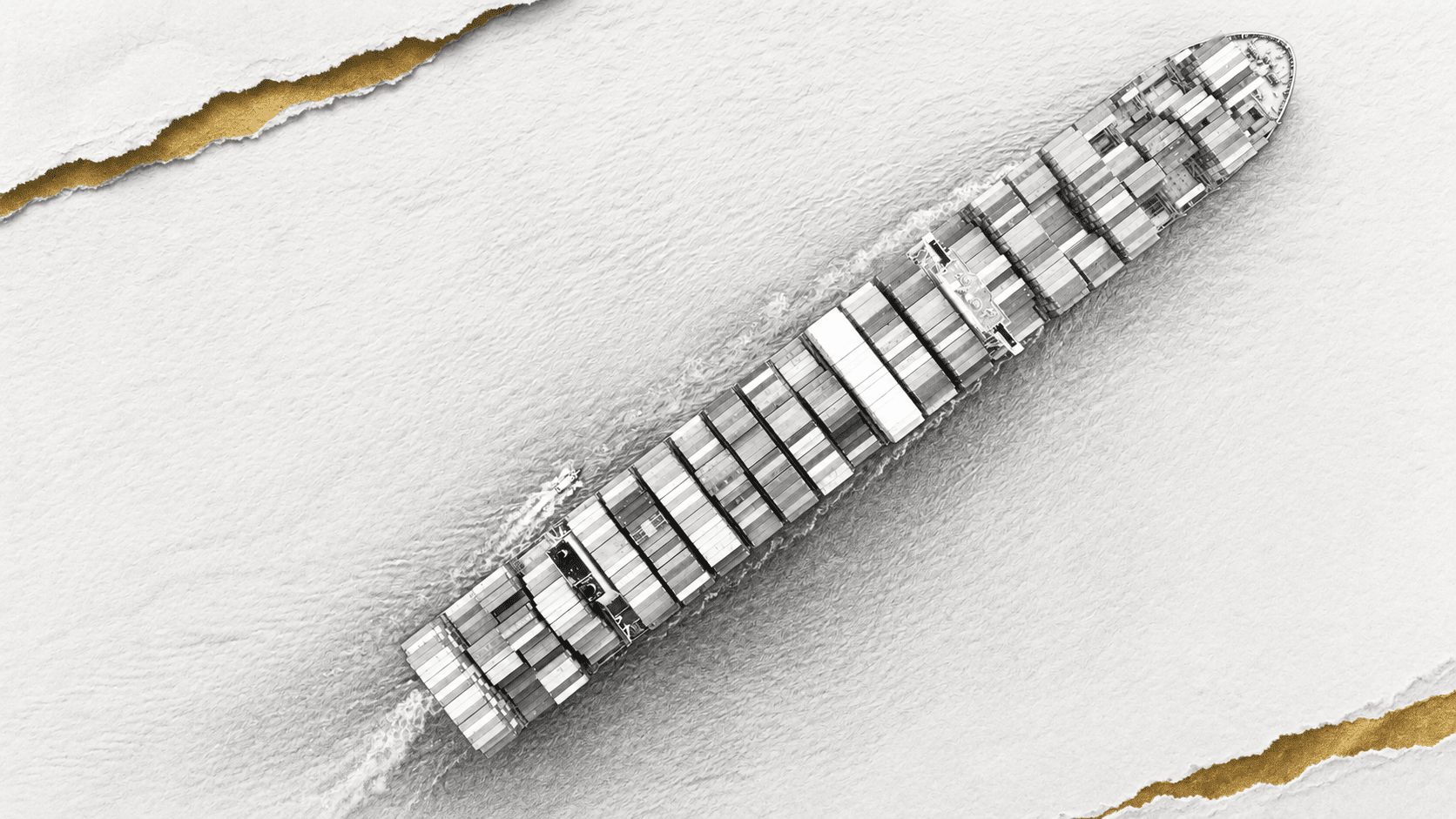
The U.S. Treasury sanctioned two Iranian companies on July 29, saying they were involved in an operation that charged commercial ships to cross the Strait of Hormuz and accepted bitcoin as payment.
The Office of Foreign Assets Control, or OFAC, identified the firms as Persian Gulf Marine Insurance Company and HormuzSafe Marine Services Authority, which operates under the name Hormuz Safe.
Treasury says the arrangement was extortion, not insurance
In its designation notice, Treasury described the offering as extortion rather than genuine insurance coverage. It said the hazards covered by the policies, including vessel seizure, are overwhelmingly created by Iran itself.
Treasury also said Hormuz Safe was developed by Iran’s Ministry of Economy and accepts payment in Bitcoin and other digital assets as part of the regime’s effort to bypass Western sanctions.
Sanctions were issued under Executive Order 13902
Both firms were designated under Executive Order 13902, which applies to Iran’s petroleum and petrochemical sectors.
Under the action, U.S. persons are no longer allowed to deal with either company. Foreign shipowners or traders that continue doing business with them could face secondary sanctions. Treasury said settling in bitcoin does not reduce that risk, adding that blockchain-based payment rails carry the same liability as a correspondent bank.
The policies were approved by the Persian Gulf Strait Authority, which Treasury described as an IRGC-backed body that it had already designated in May.
Unchained had previously reported on the platform
Unchained reported earlier this year that Iran’s economy ministry had built a marine insurance platform for the waterway that settled in bitcoin. At that time, state-linked Fars News said the platform’s revenue potential could exceed $10 billion.
At that stage, however, the website appeared to be little more than a landing page, with no sign that any cargo owner had used the service.
Treasury also widened sanctions on Iran’s shadow fleet
Treasury paired the designations with sanctions on several tankers transporting Iranian crude oil and petroleum products. That pushed the number of blacklisted Iran-linked shadow fleet vessels this year to more than 100.
The department also said Babak Morteza Zanjani, a regime financier sanctioned earlier in 2026, had promoted Hormuz Safe to his social media followers.
“With its economy in freefall and inflation in the triple digits, the regime is desperate for cash,” Treasury Secretary Scott Bessent said.
The move extends a broader U.S. sanctions campaign that has already touched Iran’s crypto infrastructure, including the June sanctioning of Iranian exchange Nobitex.