
Rotation inside the tech trade
On Aug. 11, TMT Breakout said in its latest report that the main change in the current U.S. technology rally is a repricing taking place inside the AI trade.
The report said the Nasdaq-100 ETF fell about 30 basis points on the day, while trading volume continued to slow. As the market moved into the second half of earnings season, tech stocks did not cool in sync. Instead, money started rotating away from the previously crowded AI semiconductor chain and toward software, internet, and cloud-service names whose post-earnings setups are easier for investors to verify.
What investors are looking for now
TMT Breakout said investors are again searching for companies where earnings are accelerating, the narrative is improving, and valuations have already come down.
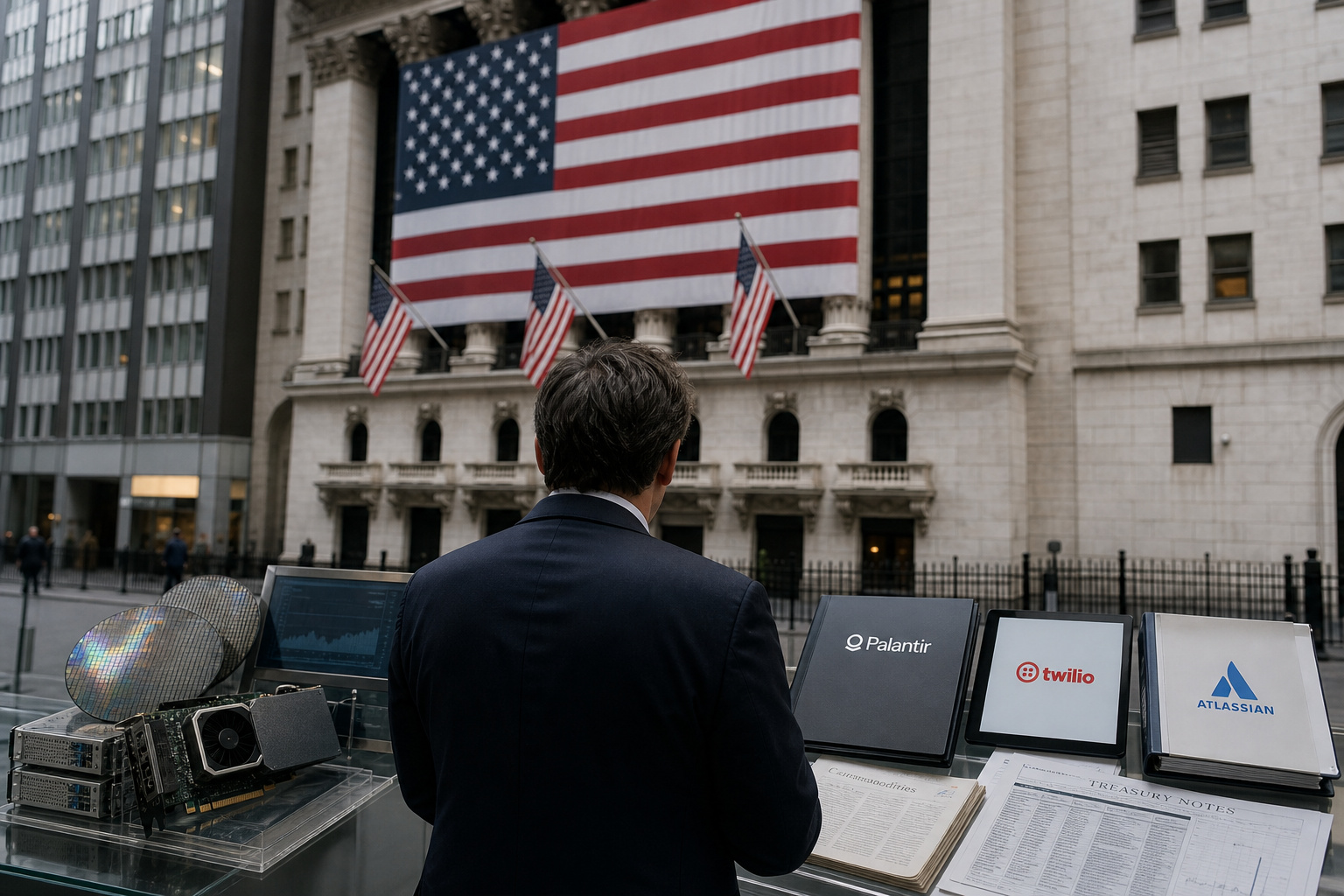
It pointed to software names such as PLTR, TWLO, and TEAM, which continued to attract buying after reporting earnings. In TMT Breakout's view, that shows the market is willing to reprice stocks with more visible growth. AI semiconductor names, by comparison, have seen weaker follow-through. Even when some companies posted results or guidance that were not bad, their shares still struggled to keep attracting incremental money.
TMTB said investors have become more selective on short-term gains and on whether the AI narrative is actually being delivered after the earlier crowded run-up in semiconductor trades.
Semiconductors no longer rising on one line of logic
The report added that the memory segment, represented by Micron, still has a tight supply-demand thesis. SanDisk has also drawn attention because visibility on NAND profitability has improved. Even so, TMT Breakout said the broader semiconductor sector is finding it much harder to sustain a broad rally on the simple argument that AI demand remains strong.
That shift is pushing capital toward names outside the direct AI chain that can still benefit from enterprise IT spending and cloud-computing expansion.
Macro conditions are adding pressure
TMTB also said the macro backdrop is reinforcing the rotation. Ahead of the CPI release, oil prices rose about 5% and U.S. Treasury yields moved up 4 to 6 basis points, leaving the market more sensitive again to interest rates and inflation.
In that setting, high-valuation and crowded momentum trades are facing pressure. Companies that can provide evidence of cash flow, orders, or demand after earnings are more likely to keep investor capital, according to the report.