
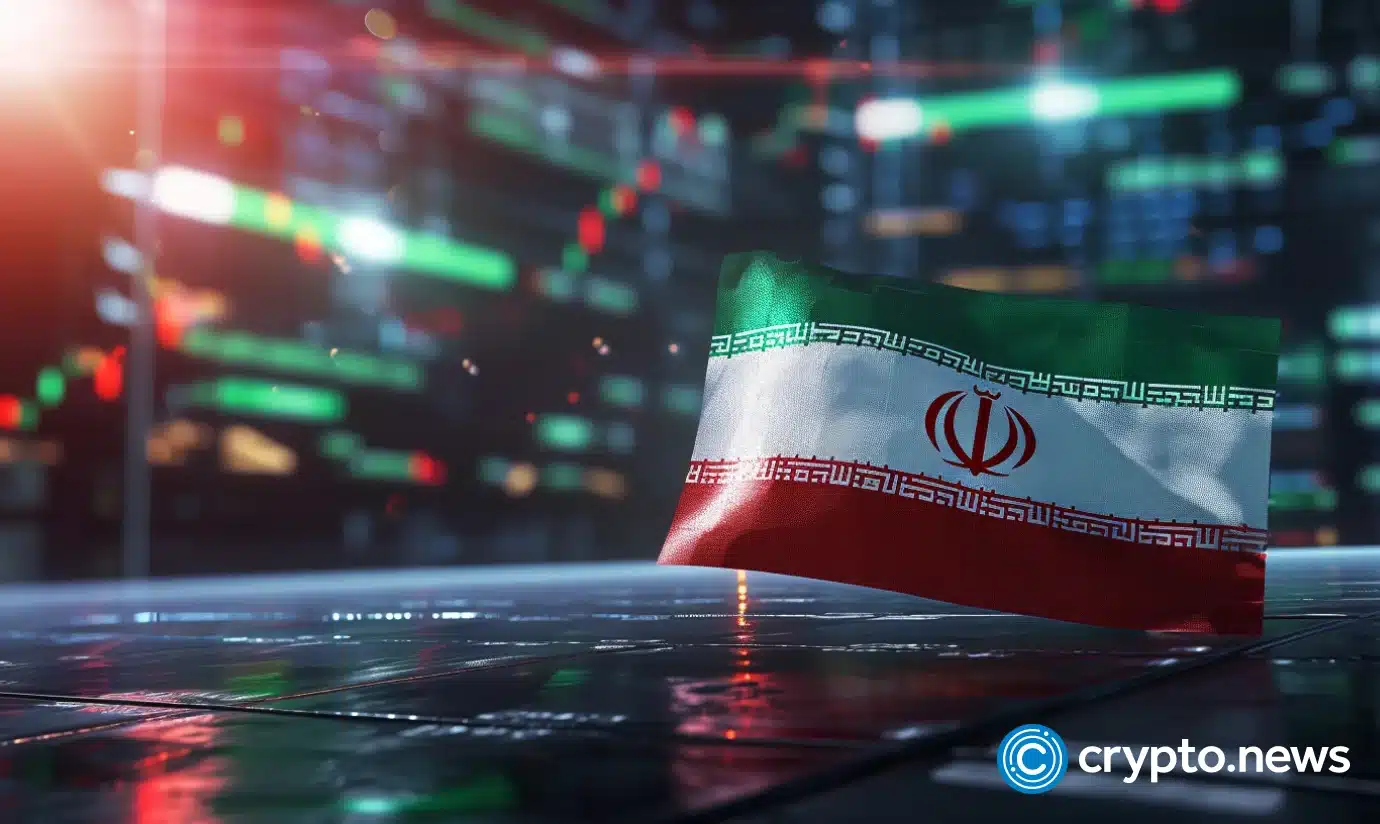
The U.S. Department of the Treasury has placed Nobitex, Wallex, Bitpin, and Ramzinex on the sanctions list, along with Nobitex CEO Seyed Ali Khoee and chairman Amir Hossein Rad. The agency alleges these platforms have provided sanctioned Iranian entities, including the Islamic Revolutionary Guard Corps, with access to the digital asset ecosystem.
Economic Fury Campaign Expands to Crypto Infrastructure
Announced on July 22, the action is the latest under the Treasury's “Economic Fury” campaign launched in April. Treasury Secretary Scott Bessent said the Iranian government has turned to digital assets to evade sanctions and move wealth despite worsening domestic economic conditions. He vowed to track Iranian financial flows through both traditional banking and cryptocurrency networks.
Blockchain analytics firm Chainalysis calls Nobitex the core of Iran's “digital dollar pipeline,” estimating it handles roughly 50% of the country's crypto trading volume. Reuters reported that Nobitex claims 11 million users and processes about 70% of Iran's crypto transactions. The exchange has denied direct government ties, describing itself as a private, independent company.
Withdrawal Surge After Military Strikes
Data from Elliptic shows withdrawals from Nobitex spiked over 700% shortly after U.S. and Israeli strikes on Tehran in February. Net outflows reached nearly $3 million between Feb. 28 and March 1. Elliptic attributed the surge to users converting Iranian rials into crypto and moving funds abroad.
TRM Labs offered a more cautious take, noting that internet connectivity in Iran reportedly fell by 99%, which may have reduced some transaction volumes. Despite the differing views, both reports highlight how sanctions and military conflict directly affect crypto exchange operations.
Nearly $1 Billion in Crypto Seized Since Conflict Began
Days before the sanctions announcement, Bessent disclosed that Treasury has seized nearly $1 billion in cryptocurrency from Iranian exchanges and wallets since the start of U.S.-Israeli actions. The latest designations also target shadow banking networks, oil trade-linked companies, and foreign officials supporting Tehran's military activities. Bessent said asset seizures, sanctions, and wallet designations remain key tools to disrupt illicit financing.